
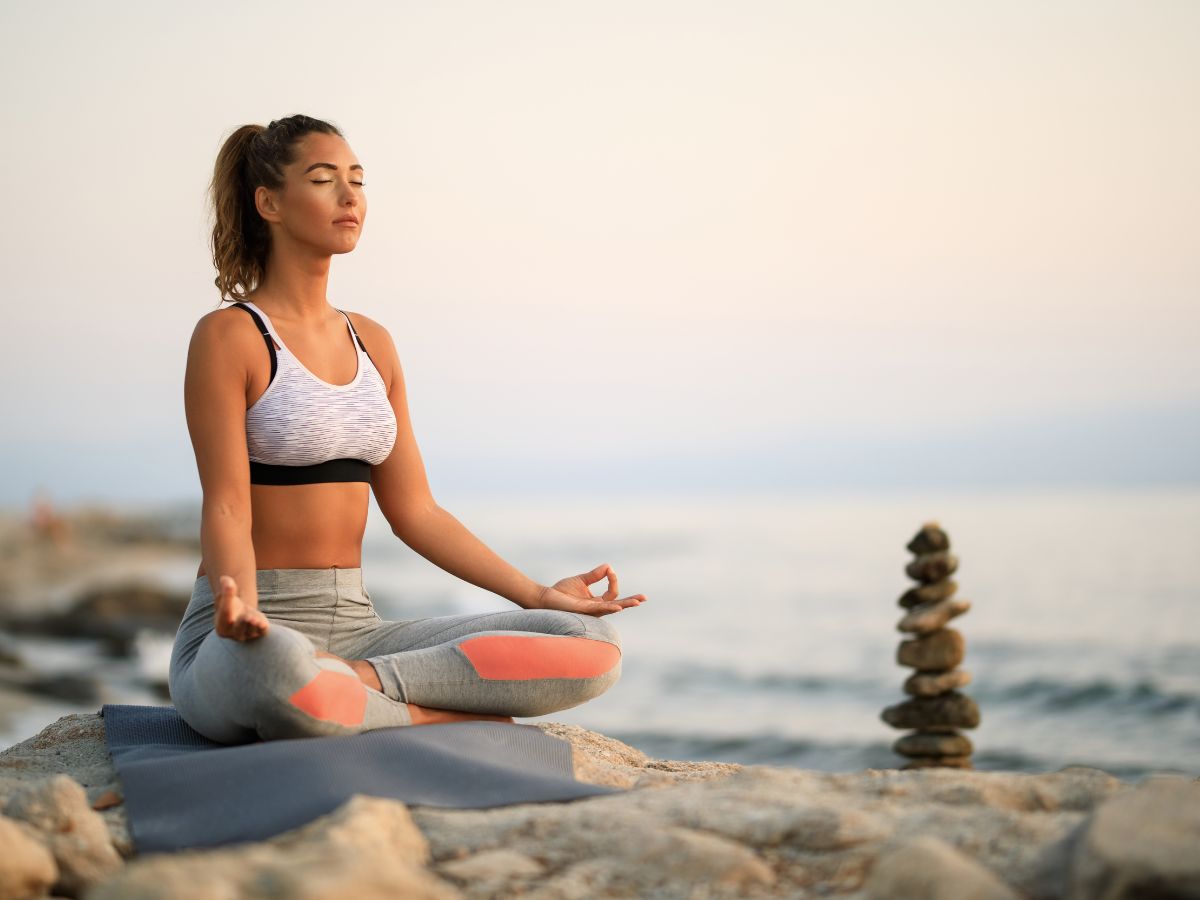

When there is pressure and stress is so high that it needs instant relief, a lot of people use the mindful practices of breathwork and meditation. Actually, both of them are very effective techniques for the reduction of stress, but they present different ways of dealing with the nerves and one is usually quicker than the other in case of panic. Control of one’s breath is the main signal that the person intends to get rid of it.
The breathing process can be inverted quickly when one signals through breathing that he/she is safe. E.g. in breathwork there are long and slow inhalations, as well as extended exhalations done purposely and with a certain rhythm.
Meditation, however, mainly requires not doing anything and just watching the breath, thoughts, or sensations pass by. This observation gradually brings about a greater and more insightful awareness of the person’s mental habits, which in turn allows for the person to make better choices exhibiting a more positive mental state. If the aim is to reduce stress instantly, then a study claims that the breathing exercises done actively provide the most direct and quickest change at the physiological level.
Direct Physiological Stress Modulation
Breathwork is basically a method that is able to reach the autonomic nervous system (ANS) at once, that is, the center of your stress response. Through breathwork, the body gets physiologically changed very quickly and the reduction of stress becomes apparent immediately.
The latter is because breathwork is performed with particular techniques such as cyclic sighing or slow, deep diaphragmatic breathing, which all give priority to a long exhale. The long exhale that is done through these techniques brings about the activation of the vagus nerve, which is the major nerve of the parasympathetic nervous system, your body’s “rest and digest” mode.
When this system is activated, the heart rate is quickly lowered, blood pressure reduced, and cortisol (the stress hormone) levels in the blood significantly decreased. Consequently, physical stress symptoms are remarkably reduced in moments, in the case of breathing exercises that are effective. The physiological impact is so rapid and direct that it gives breathwork an edge in fast stress reduction.
Long-Term Cognitive Resilience
Breathwork is a rapid remedy for acute stress but meditation, on the other hand, is a slow and steady process that helps the brain adapt to stress thereby improving the overall relationship with anxiety in the future.
The main concept of meditation watching thoughts without criticism works to change the brain’s neural circuits. Being regular may also result in the brain having more gray matter in the areas connected to emotional control and Paying attention, like the prefrontal cortex and, on the contrary, the amygdala, the part of the brain related to fear, becoming less active.
This method helps the brain to build a critical distance between a stressor and its corresponding reaction. Gradually, this mindfulness training will make it possible for you to handle daily stress with less effort and more stability, resulting in deep and lasting mental peace that breathwork cannot provide alone.
Also Read: Modern Loneliness: Why We Feel Alone Despite Being With Someone
A recent media graduate, Bhumi Vashisht is currently making a significant contribution as a committed content writer. She brings new ideas to the media sector and is an expert at creating strategic content and captivating tales, having working in the field from past four months.




