
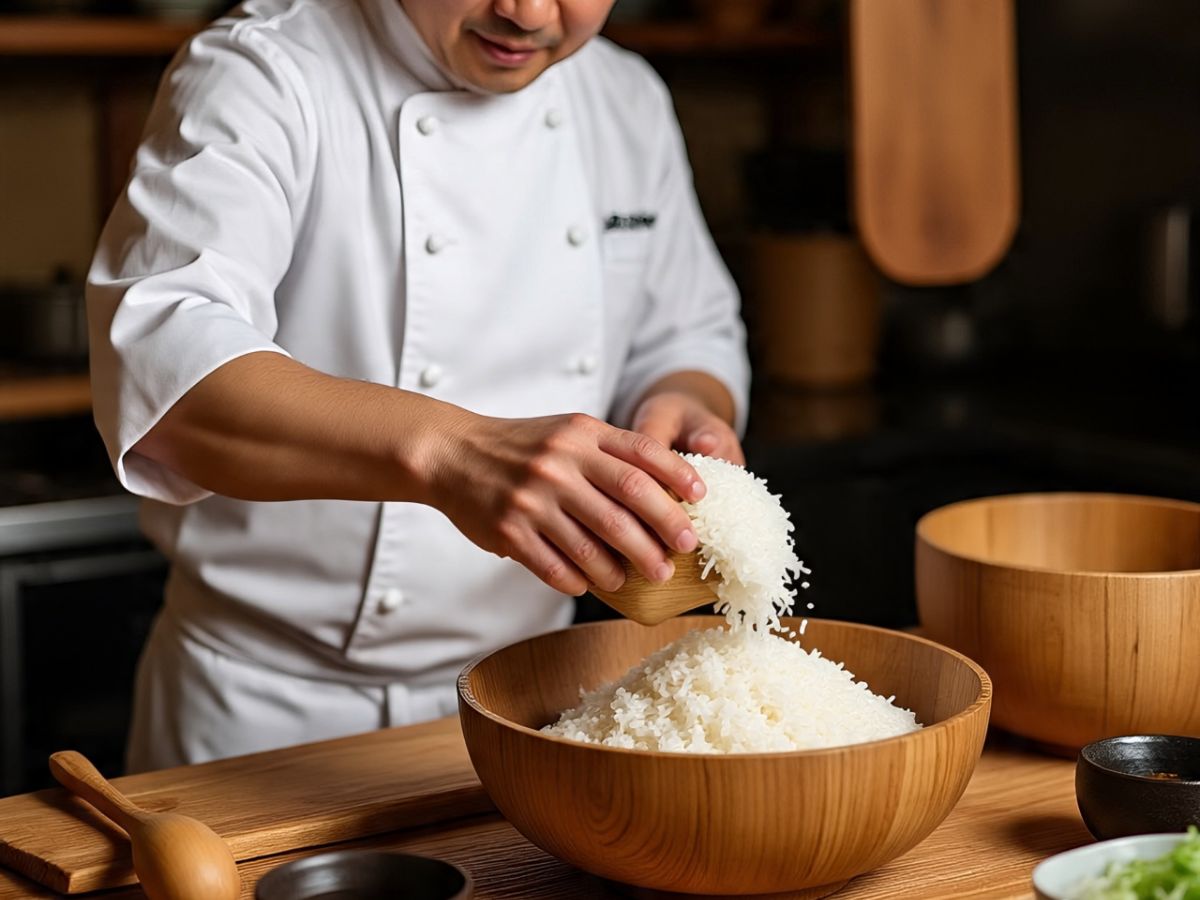

Rice is much more than just a staple food item in Japan; rice is a foundation of Japanese society, culture, history, geography, and cuisine. In order to fully appreciate the historical context and cultural significance, and societal roles, of rice, and its products, the Japanese way of life is to understand its importance.
The Historical Origins of Rice in Japan
It is believed that rice cultivation first occurred in Japan over 2,000 years ago as a result of a process of cultural diffusion from Korea or China. The Indigenous peoples of Japan transitioned from their dominant hunter-gatherer lives, to a new dominant agrarian society. This represents a major change in history and archaeology. Japan adapted rice agriculture through the use of paddy agriculture in which rice, which is flooded, can be planted on slopes, which allowed adaptation taking into account that Japan is largely mountainous. Rice agriculture eventually helped develop growing communities where paddy agriculture provided a systemic food program meant to allow communities to grow for generations.
The Cultural Significance of Rice
Rice represents a number of cultural significance for Japan including purity, connection with prosperity, and spirituality. Rice is also one of the central cultural symbols for many yearly Shinto ceremonies and Shinto festivals, and rice products (like sake and mochi) are a sacred offering made to deities and gods. Rice dishes have historically significantly marked the enjoyment during community celebrations as a blessing of spirituality, health, and respect for the seriousness of significant community events and harmony. The core meaning and role of rice hold more than direct nutritional importance.
Economic and Social Importance
Historically, rice was literally used as currency and measured richness and value as it controlled social status and governance. Feudal lords and samurai were all paid in rice and rice was the driving force behind early economic systems, such as the Dojima Rice Exchange in Osaka, which established governance and servitude systems into modern money market practices. The history and layers of culture and economy surrounding rice emphasizes its importance as part of Japan’s identity and social cohesiveness.
Rice in Modern Japan
Rice retains its relevance despite modernization and changes in eating habits. Even in contemporary times of eating habits, rice is eaten for breakfast, lunch, and dinner in traditional meal forms, which reflect Japan’s cultural traditions of eating rice and various types of rice-based foods. Rice is both a symbolic food and an important food that represents the food way of life in linking traditions and historical values.
In short, the Japanese consume rice with every meal because rice is a foundational aspect of Japanese culture and foodways, inherently buried in food and connection to sustenance, as it creates the nexus between past and present in every meal.
This article is for informational purposes only and reflects general cultural and dietary practices. Individual dietary needs may vary, so consult a nutritionist for personalized guidance.
Vani Verma is a content writer with over 2 years of experience in lifestyle, entertainment, health and digital media. She has a knack for creating engaging and research-driven content that resonates with readers, blending creativity with clarity. Passionate about media trends, culture, and storytelling, she strives to craft content that informs, inspires, and connects.




