
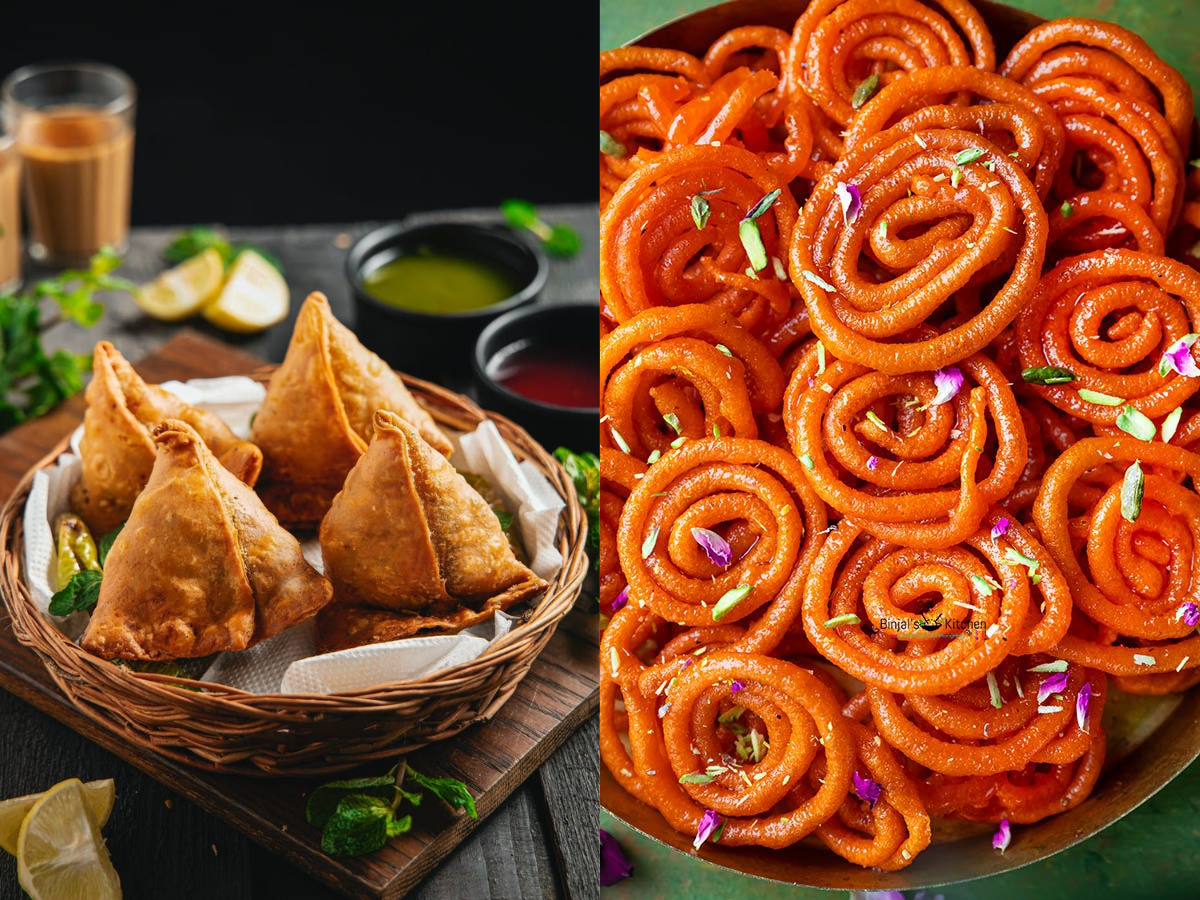

Its monsoon and so is the surge in cravings for hot samosa and jalebis in evening snacks. Best combo to relax after work sitting in balcony and sipping cup of chai!
All looks and tastes good until the ICMR guideline. The The Indian Council of Medical Research in collaboration with the National Institute of Nutrition (NIN), has issued new dietary guidelines cautioning against the regular consumption of traditional Indian snacks such as samosas, jalebis, and kachoris.
These popular street foods now fall under the category of ultra-processed and high-fat items. According to the guidelines, frequent intake of these snacks poses significant health risks. The advisory urges citizens to be more aware of what they consume daily and recommends these items only as occasional indulgences due to their harmful nutritional profile.
Samosa, Kachoris Alert
Dr. Shubham Vatsya, Senior Consultant of Gastroenterology and Hepatology at Fortis Hospital Vasant Kunj, highlighted the main concerns linked to these snacks.
He explained that samosas and jalebis contain excessive trans fats, refined grains, and added sugars. A single serving of jalebi contains approximately 200–300 calories with minimal nutrition.
Samosas, especially when fried in reused oil, are high in saturated and trans fats. These components directly contribute to cardiovascular diseases, obesity, and type-2 diabetes. The ICMR has flagged these as contributing factors in the rise of non-communicable diseases across India.
These India traditional snacks carry preservatives, artificial flavours, and synthetic colours. Health authorities have found such ingredients to be addictive, leading to overconsumption. The guidelines indicate that these foods not only carry poor nutritional value but also encourage unhealthy eating habits.
NO Notice To Ban Completely
Despite their cultural significance, the ICMR does not suggest completely eliminating traditional snacks from Indian diets. Instead, health experts recommend consuming them only on rare occasions. The new dietary guidelines suggest limiting such items to once a week or less, and in small portions.
The advisory encourages the public to favour home-cooked meals made with whole grains, healthy fats, and high-fibre ingredients. The shift towards cleaner diets, according to the ICMR, can reduce the risk of long-term health complications while preserving the essence of Indian culinary traditions in moderation.
Must Read: Omar Abdullah Alleges Manhandling By Security During Martyrs’ Day Visit In Srinagar
Swastika Sruti is a Senior Sub Editor at NewsX Digital with 5 years of experience shaping stories that matter. She loves tracking politics- national and global trends, and never misses a chance to dig deeper into policies and developments. Passionate about what’s happening around us, she brings sharp insight and clarity to every piece she works on. When not curating news, she’s busy exploring what’s next in the world of public interest. You can reach her at [swastika.newsx@gmail.com]




