
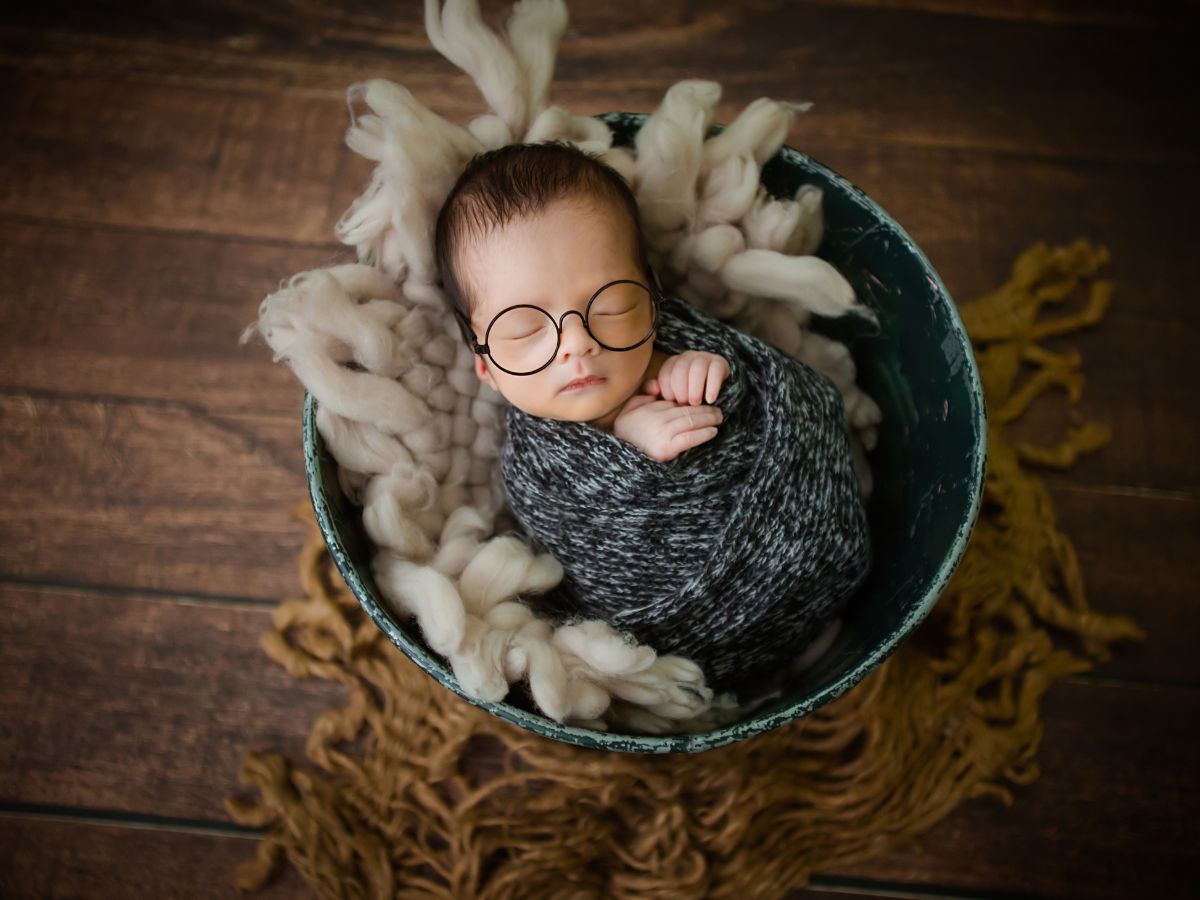

In the Hindu way, babies were sometimes buried instead of cremated for profound spiritual reasons and metaphysical reasons dictated by Holy Texts, 如 the Garuda Purana.
Metaphysical Reason: Innocence and Karma
-
Babies are regarded as having no or very little personal karma (Prarabdha Karma) as they have not lived long enough to cultivate attachments in the world.
-
The death of babies can be construed as the result of parental karma, and not the baby’s karma.
-
Fire is a purifying element as it is meant to liberate souls weighed down by sins and attachments upon the earth.
-
Since babies have no karma, the burning process through cremation is not paramount.
Teachings of Garuda Purana: Journeys of the Soul
-
The soul experiences different journeys based on karma and spiritual maturity.
-
Infants and young children are not subject to Yamaʹs karmic audit and judgment as for adults.
-
They either remain in subtle realms/space or are reincarnated to the family with divine assistance, without undergoing the initial karmic audit.
-
The souls of babies are considered the closest in origin to the divine, surrounded by purity
The symbolism of burial vs. cremation
-
Burial is a gentle way back into Mother Earth (Prithvi), who is envisioned as the cosmic womb that nurtures the pure soul back to existence. It is an act of compassion and continuity, not destruction. Cremation symbolizes severance and the transmutation required for particular souls who require purification. Burial is said to be even more favorable than cremation when the infant is interred under auspicious trees (e.g., peepal or neem) as these trees are believed to offer spiritual protection, while allowing a spiritual connection to continue.
-
Infants may not yet have undergone the major rites of passage (samskāras) that mark spiritual maturity. As such, it is traditionally believed that infants have not yet undergone any significant samskāra, which means they are not bound by karma in the same ways as usually attributed by the use of samskāras.
Psychological and communal sensitivity
-
Burial is often a gentler and less traumatic farewell for grieving parents. Burial allows for memorialization through planting trees or various rituals at the burial site so that a benchmark of continued connection can remain between the departed and the living.
-
Regional and philosophical variations
-
Certain Shaiva and Shakta traditions have seen burial symbolically as preserving the spiritual essence of the infant, primarily due to the spiritual significance and sacrifice of the infant. Some regions cremated infants once they underwent the lesser basic samskāras (although all had been parents after paying major rites of passage), while some ceased the tradition because of how the new family in the community iteratively desired to honour and respect cultural values deeply rooted in burial traditions.
This practice embodies Hinduism’s deep regard, respect for the innocence and purity of the child soul, balances spiritual philosophy and kindness and ritual with love. It is not an abandonment of the tradition, but a delicate spiritual sensitiveness founded on traditional texts, such as the Garuda Purana.
DISCLAIMER- Practices vary by region and tradition; this article is informational, not prescriptive. Consult priests, elders, or texts for guidance.
Shubhi is a seasoned content writer with 6 years of experience in digital media. Specializing in news, lifestyle, health, sports, space, optical illusions, and trending topics, she crafts engaging, SEO-friendly content that informs and captivates readers. Passionate about storytelling, Shubhi blends accuracy with creativity to deliver impactful articles across diverse domains.




