
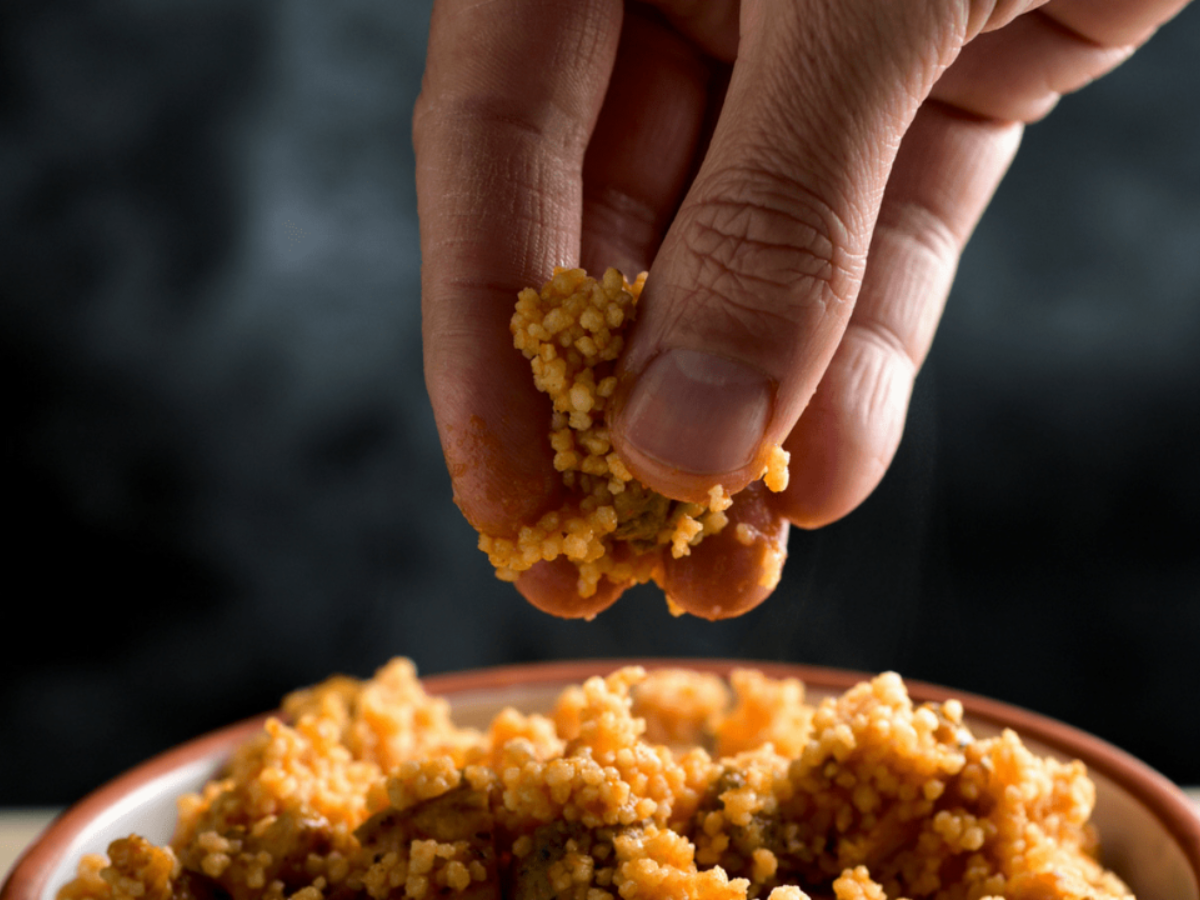

A video showing 33-year-old Democratic mayoral candidate Zohran Mamdani eating biryani with his bare hands has gone viral on social media. Instead of focusing on the food or the person in the video, many users chose to comment on the way he ate. What was a normal cultural practice quickly became a target for racist and ignorant remarks. The video’s comment section filled up with demeaning comments, mostly from Western users. Some called the act “uncivilised,” while others linked it to hygiene myths and made personal attacks on Mamdani for following a traditional eating style.
Zohran strikes me as someone who would never eat with his hands in real life – only on camera to appear more “authentic”.
— 𝗡𝗶𝗼𝗵 𝗕𝗲𝗿𝗴 ♛ ✡︎ (@NiohBerg) June 29, 2025
Internet Users Attack Cultural Eating Style With Offensive Remarks
Many of the comments on the video were openly racist and dehumanising. One user said, “They always use the hand they wipe with for the extra seasoning. Totally uncivilised.” Another added, “That’s f*ng psychotic – that’s the same hand he literally wipes his a with.” The responses grew worse, turning a simple meal into a point of mockery. The backlash revealed a lack of understanding of other cultures and showed how online platforms can spread harmful stereotypes about long-standing customs practiced by millions.
Mamdani’s Eating Style Reflects Family and Cultural Tradition
Zohran Mamdani is the son of noted academic Mahmood Mamdani and filmmaker Mira Nair. In the video, he simply eats biryani in the traditional way followed in many South Asian homes. For families in India and nearby regions, eating with hands is common and deeply rooted in daily life. It’s a practice passed down for generations. In these cultures, food is often seen as sacred, and the act of eating with one’s hands is linked to connection, mindfulness, and even spirituality. Mamdani followed the practice he likely grew up with.
Long before knives and forks became common, ancient people in Egypt, Greece, Mesopotamia, and the Indus Valley ate with their hands. In India, this method is part of sacred rituals, as mentioned in ancient texts like the Vedas and Upanishads. Ayurveda, a centuries-old wellness system from India, says that touching food with hands helps prepare the body for digestion. These ideas show that hand-eating is not strange or dirty. Instead, it’s meaningful and even beneficial, based on centuries of practice and knowledge passed through generations.
Indian Food Culture Naturally Suits Hand-Eating
Indian cuisine – which includes rice, rotis, dals, and spicy curries – naturally suits eating by hand. Many dishes are best enjoyed when mixed and scooped using fingers. This way, each bite can be adjusted to one’s taste and texture preference. On the other hand, Western meals, often dry or layered, fit well with knives and forks. But even in the West, people used to eat with their hands until forks became a trend in the 11th century. In the U.S., forks became common only in the late 1700s.
Class, Not Cleanliness, Led to Cutlery Culture
The rise of cutlery in the West had more to do with class than cleanliness. In medieval Europe, wealthy people used forks and knives to show status. Books like The Courtier turned table manners into symbols of high class. Over time, these habits became standards, and anything different was seen as uncivilised. Now, social media reflects the same thinking. When people mock hand-eating, they’re often repeating old class-based ideas. But the idea that only one style of eating is correct ignores both history and diversity.
Eating With Hands Is Hygienic and Culturally Deep
Critics often call hand-eating unhygienic, but this is incorrect. In Indian culture, people wash hands before and after meals. As Dr Aditi Verma, a cultural anthropologist, explains, hand-eating is connected to ideas of purity, gratitude, and etiquette. In fact, using the right hand to eat or exchange gifts shows respect in Indian tradition. These actions are not just personal choices, but expressions of identity and belonging. Cleanliness has always been a part of these traditions, proving that hygiene is not an issue when customs are followed correctly.
Zohran Mamdani’s video shows how even simple actions like eating can spark global discussions. The real issue is not about forks or fingers, but about understanding and respecting different traditions.
Must Read: Flesh-Eating Bacteria Kills Four In Florida, Health Officials Confirm
Swastika Sruti is a Senior Sub Editor at NewsX Digital with 5 years of experience shaping stories that matter. She loves tracking politics- national and global trends, and never misses a chance to dig deeper into policies and developments. Passionate about what’s happening around us, she brings sharp insight and clarity to every piece she works on. When not curating news, she’s busy exploring what’s next in the world of public interest. You can reach her at [swastika.newsx@gmail.com]




