
Iran–US-Israel War LIVE And Latest Updates: Iran Launches Official X Account For Strait Of Hormuz Updates As Trump Pauses Iran Attack
✍️ Written by: Zubair Amin
Iran–US-Israel War LIVE And Latest Updates: Trump Pauses Iran Attack After Saudi-UAE Request, Tehran Issues Chilling ‘Graveyard’ Warning To US
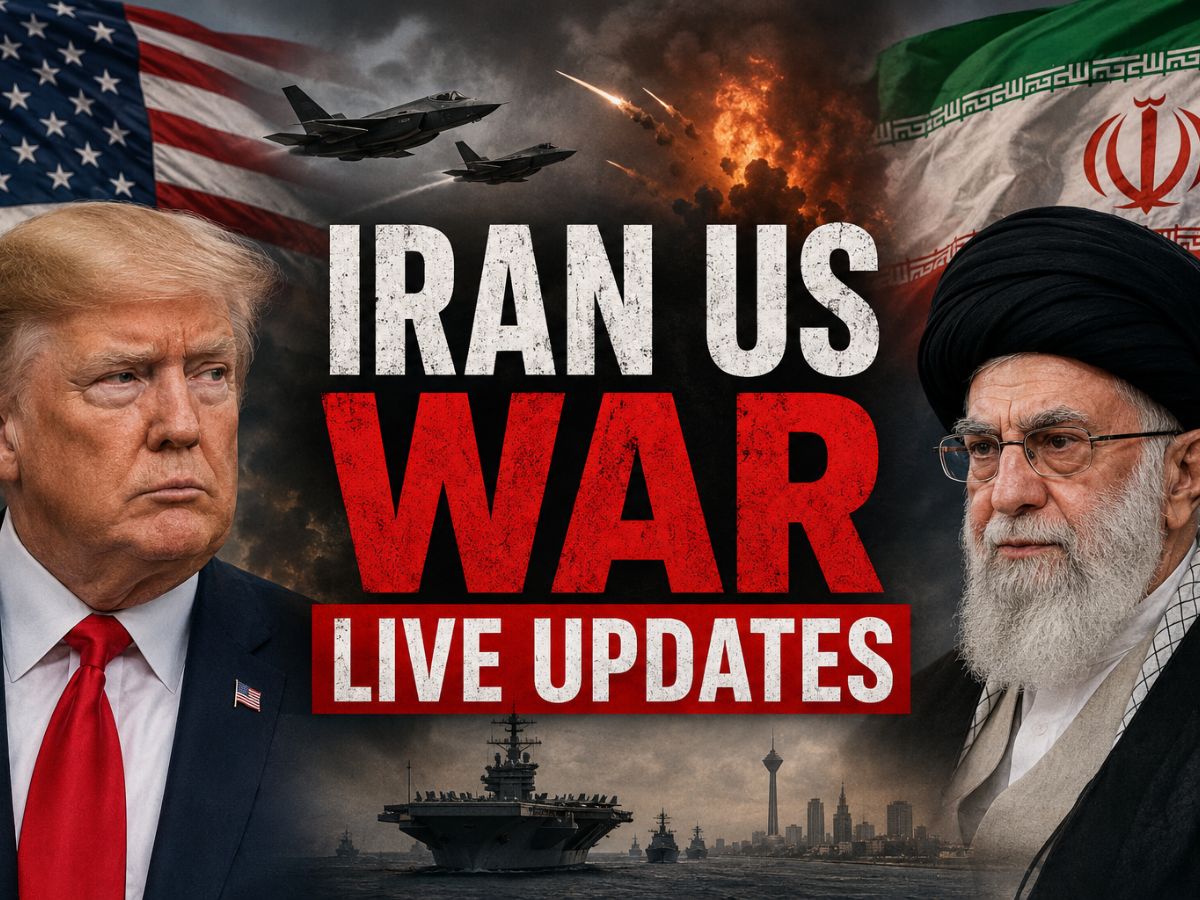
Iran–US-Israel War LIVE and Latest Updates: US President Donald Trump on Monday said that he has temporarily put on hold his planned attacks on Iran following requests from the leadership of Saudi Arabia and the United Arab Emirates. At the same time, Trump said the US military has been directed to remain fully prepared for a large-scale strike if ongoing negotiations fail to produce an agreement. The remarks come amid continued indirect negotiations between Washington and Tehran mediated by Pakistan.
Iran’s Revised Proposal
Earlier, a US official reportedly said Iran’s revised proposal to the United States was inadequate for securing a deal and warned that the current deadlock could trigger a renewed phase of the war. Tehran had conveyed its latest peace proposal to Washington through Pakistani intermediaries.
Despite criticism of the proposal, reports suggest the United States has shown some flexibility during discussions, particularly regarding possible restrictions on Iran’s nuclear programme.
Iran’s revised offer reportedly includes demands for a permanent end to the war, relief from sanctions, and the reopening of the strategically crucial Strait of Hormuz.
Iranian President Masoud Pezeshkian defended Tehran’s position, stating that negotiations should not be interpreted as weakness.
“Dialogue does not mean surrender,” Pezeshkian said, adding that Iran had entered the talks “with dignity, authority, and the preservation of the nation’s rights.”
Iran Warns US
Senior Iranian official Mohsen Rezaei warned the United States to remove what he described as the blockade of Iranian ports.
“The Sea of Oman could become your graveyard,” Rezaei warned, signalling the possibility of wider regional tensions if the standoff intensifies further.
Meanwhile, reports indicate that the Israeli military is preparing for the possibility of renewed conflict with Iran. Energy infrastructure is believed to be among the potential targets being considered in the event of another escalation.
Pakistan-mediated peace discussions between the US and Iran reportedly took place on Sunday.
Pakistan Continues Mediation Between US and Iran
Iran’s Foreign Ministry spokesperson Esmaeil Baghaei said indirect talks between the United States and Iran are continuing through Pakistani mediation channels. According to Baghaei, both sides are exchanging comments and proposed amendments on recent diplomatic drafts.
He reiterated that Iran’s right to enrich uranium under international agreements remains “nonnegotiable”. Baghaei also cautioned countries, including the UAE, against deepening ties with Israel.
Follow News Live Coverage Of Iran-US-Israel War Here:
Live Updates
- 11:25 (IST) 19 May 2026
Iran–US-Israel War LIVE and Latest Updates: Iran Says US Actions Undermining Diplomacy Amid Ongoing Efforts To End War
Iranian Foreign Minister Abbas Araghchi has described Washington’s “inconsistent and excessive conduct” as a major hurdle in diplomatic efforts, according to Iran’s ISNA news agency. During talks with Mohsin Naqvi, Araghchi said repeated failures by the US to honour commitments have deepened Tehran’s mistrust of Washington, even as Iran continues participating in negotiations with what he called a “responsible approach” aimed at resolving the conflict.
- 10:28 (IST) 19 May 2026
Iran–US-Israel War LIVE and Latest Updates: Iran Launches Official X Account For Strait Of Hormuz Updates
The Iranian body overseeing the Strait of Hormuz in the Persian Gulf has officially joined X, formerly Twitter, as part of ongoing efforts to streamline communication regarding activity in the strategically important waterway.
In its first post shared on Monday, the Persian Gulf Strait Authority (PGSA) said the account would deliver “real-time updates” related to operations and developments concerning the Strait of Hormuz.
- 10:09 (IST) 19 May 2026
Iran–US-Israel War LIVE and Latest Updates: Oil falls 2% as Trump holds off scheduled attack on Iran
Oil prices fell 2% on Tuesday in early Asian trade after U.S. President Donald Trump said he had paused a planned attack on Iran to allow for negotiations to end the war in the Middle East.
Brent futures LCOc1 for July delivery fell $2.26, or 2%, to $109.84 a barrel at 0352 GMT, while U.S. West Texas Intermediate crude CLc1 for June delivery fell $1.22, or 1.1%, to $107.44.
In the previous session, the benchmarks hit their highest levels since May 5 and April 30, respectively.
(Reuters)
- 09:46 (IST) 19 May 2026
Iran–US-Israel War LIVE and Latest Updates: Is Strait Of Hormuz Open Or Close?
Maritime traffic through the Strait of Hormuz saw a noticeable recovery last week, climbing back toward average levels seen since the outbreak of the Middle East conflict after previously dropping to a wartime low.
According to shipping analytics firm Kpler, 55 commodity vessels passed through the key chokepoint between May 11 and May 17. This marked a significant rise compared to the week before, when only 19 ships made the transit.
- 08:30 (IST) 19 May 2026
Iran–US-Israel War LIVE and Latest Updates: New US Poll Shows Sharp Decline In Support For Israel And Possible War With Iran
A fresh survey conducted by The New York Times and Siena College has indicated growing opposition among Americans toward both Israel’s military actions and a potential US conflict with Iran.
The poll, which surveyed 1,507 registered voters, found that only 30 percent backed US military involvement in Iran, while 64 percent said they opposed such a war.
The findings also showed declining support for American military assistance to Israel. Around 57 percent of respondents said they were against sending US military aid to Israel, while 37 percent supported continued assistance.




