
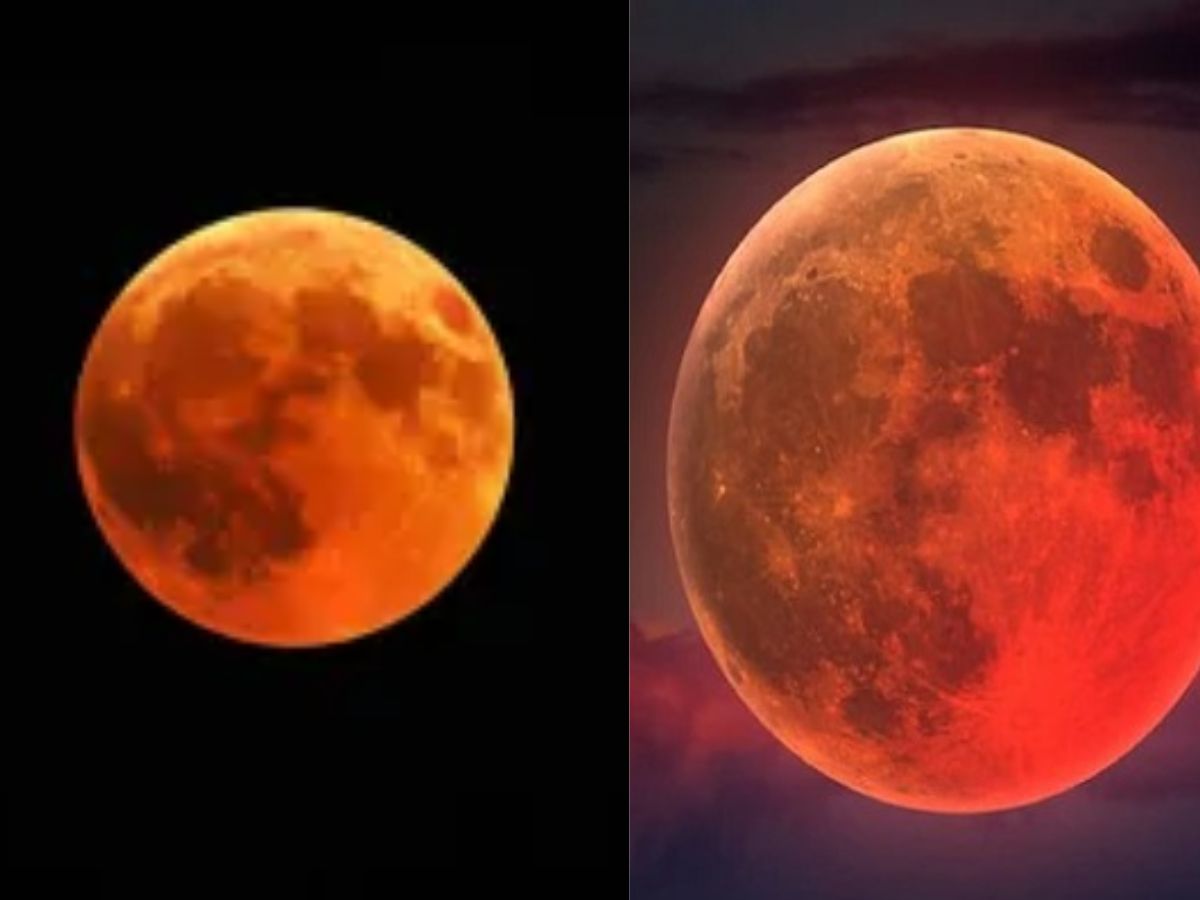

The celestial calendar for 2026 begins with a stunning total lunar eclipse that occurs on March 3, 2026, which coincides with the Holi festival.
The “Blood Moon” phenomenon occurs when Earth achieves its perfect alignment with the Sun and Moon, which creates a deep coppery red shadow on the lunar surface.
The people of India will observe the eclipse as a “moonrise eclipse” because the event begins its afternoon start time. The Moon will start its ascent from the eastern horizon at night, which will create a brief period for skywatchers to see the last stages of totality and the beginning of partial totality.
Lunar Eclipse City-wise Timing and Regional Visibility
The Chandra Grahan 2026 experience shows different results based on your location in the world. In the Northeast regions, such as Guwahati, Itanagar, and Siliguri, the Moon rises earlier, which enables residents to see almost complete Moon obscuration and experience the total phase for a longer time period.
Western cities such as Mumbai Ahmedabad and Jaipur experience later moonrises, which lead viewers to see only the final segment of the partial eclipse that continues for 15 to 20 minutes until the moon reaches its full brightness.
The main viewing window for Delhi and Bengaluru begins at 6:20 PM IST and concludes at 6:47 PM IST, which creates a brief viewing period that displays the beautiful Moon emergence from the umbra.
Sutak Kaal Significance and Ritualistic Observances
The Sutak Kaal period begins nine hours before the lunar eclipse starts because traditional Indian practices state that people should observe this period during visible lunar eclipses.
The Sutak for the March 3 event will begin at 6:23 AM IST and continue until the evening, when the eclipse ends. Temples throughout the nation will close during this period, while devotees should avoid beginning new activities and eating heavy foods.
Many people have changed their Holika Dahan celebration times to either the early morning of March 3 or late evening after the eclipse ends because they want to combine their festive ceremonies with both astronomical and Vedic religious traditions.
Also Read: Happy Holika Dahan 2026: Check Out Top Wishes, Quotes And Messages To Share With Friends And Family
A recent media graduate, Bhumi Vashisht is currently making a significant contribution as a committed content writer. She brings new ideas to the media sector and is an expert at creating strategic content and captivating tales, having working in the field from past four months.




