

Scientific Names: Why They Matter
Ever wondered why the chickpea isn’t just called… well, “chickpea” everywhere? That’s where scientific names come in!
Every living thing gets a two-part Latin name: the genus (its family) and the species (its exact identity). So, chickpea is Cicer arietinum, rajma is Phaseolus vulgaris, and peas are Pisum sativum.
Why bother? Imagine traveling the world and asking for “peas”, in one place, you get garden peas, in another, split peas. Confusing, right? Scientific names solve that problem by giving every plant and animal a unique global ID.
They also help scientists, farmers, and researchers talk clearly, study species relationships, and track plants and animals in agriculture and medicine.
So next time you eat rajma-chawal or toss peas into your salad, remember: these humble legumes have fancy Latin names, like little VIPs in the plant world!
What Are Scientific Names?
Scientific names, also called binomial names, are the formal names given to living organisms using a standardized system. Each species is assigned a two-part Latin name:
-
Genus- the broader group to which the organism belongs
-
Species- the specific organism within that genus
Why Are Scientific Names Important?
- Universal Identification: Scientists worldwide can communicate without confusion, regardless of local names or languages.
- Avoids Ambiguity: Common names often overlap (e.g., “pea” can refer to different plants), but scientific names are unique.
- Classification and Study: Helps understand relationships among species, their evolution, and characteristics.
- Research and Agriculture: Ensures clarity in studies, cultivation, trade, and medicine.
In short, scientific names provide a universal language for biology, connecting plants, animals, and humans across the world in a precise and organized way.
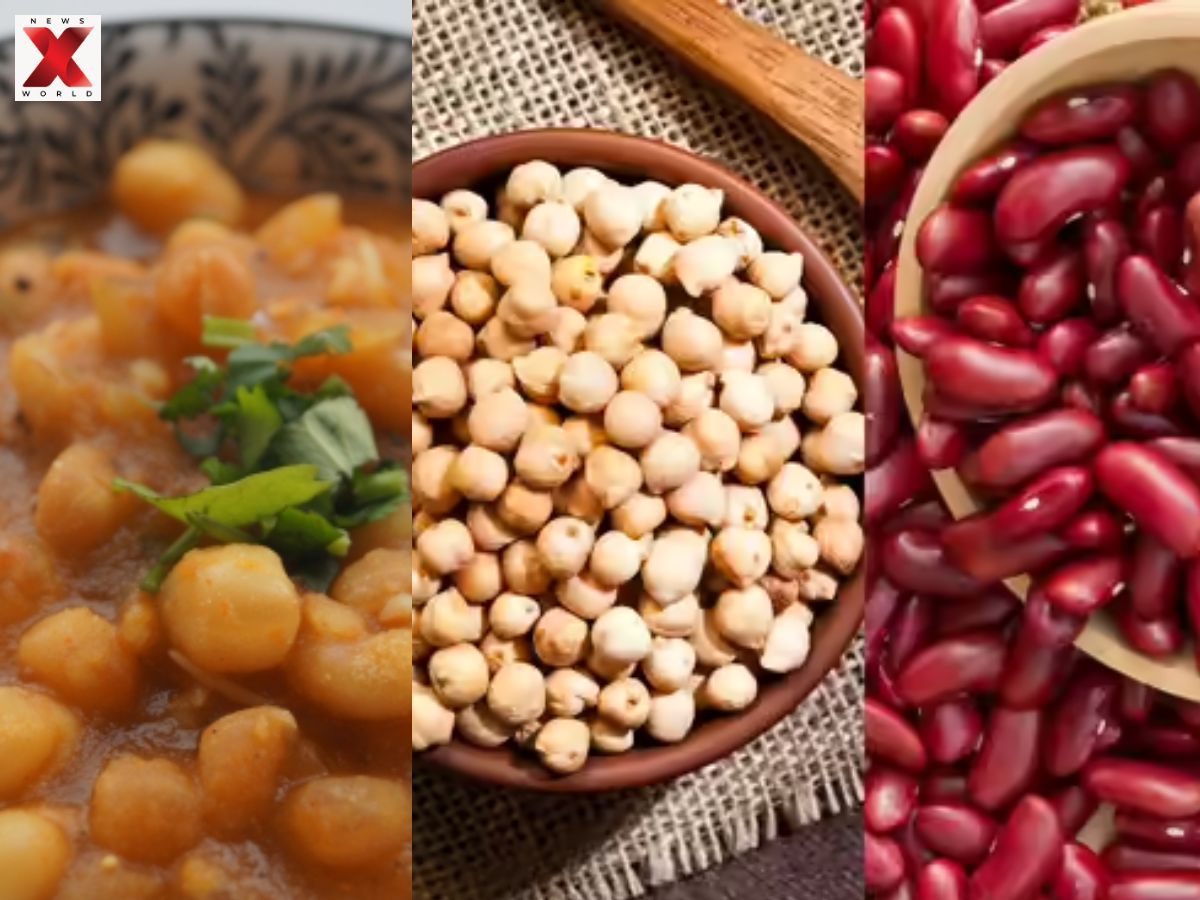
Chickpea: Cicer arietinum
The chickpea is scientifically known as Cicer arietinum and is one of the most widely consumed pulses globally. Common names include garbanzo bean, Bengal gram, chana, and Indian pea. The genus name Cicer comes from Latin for chickpea, while arietinum means “ram,” referring to the seed’s shape.
Taxonomic Classification:
- Kingdom: Plantae
- Division: Magnoliophyta
- Class: Magnoliopsida
- Order: Fabales
- Family: Fabaceae
- Genus: Cicer
- Species: C. arietinum
Rajma: Phaseolus vulgaris
Matar: Pisum sativum
- Scientific Name: Pisum sativum
- Common Names: Matar, pea, garden pea, field pea
- Family: Fabaceae (legume family)
- Origin: Mediterranean region of Southern Europe and Western Asia
(wITH Inputs)
Aishwarya is a journalism graduate with over three years of experience thriving in the buzzing corporate media world. She’s got a knack for decoding business news, tracking the twists and turns of the stock market, covering the masala of the entertainment world, and sometimes her stories come with just the right sprinkle of political commentary. She has worked with several organizations, interned at ZEE and gained professional skills at TV9 and News24, And now is learning and writing at NewsX, she’s no stranger to the newsroom hustle. Her storytelling style is fast-paced, creative, and perfectly tailored to connect with both the platform and its audience. Moto: Approaching every story from the reader’s point of view, backing up her insights with solid facts.
Always bold with her opinions, she also never misses the chance to weave in expert voices, keeping things balanced and insightful. In short, Aishwarya brings a fresh, sharp, and fact-driven voice to every story she touches.




