
7 Iconic Films Inspired by Rabindranath Tagore’s Stories – Literary Masterpieces on Screen
Rabindranath Tagore’s rich storytelling has long captivated filmmakers, leading to cinematic adaptations that blend emotional depth with cultural insight. These seven films, drawn from his novels, short stories, and plays, explore themes of love, loss, identity, and social transformation—proving that Tagore’s legacy continues to resonate across generations.
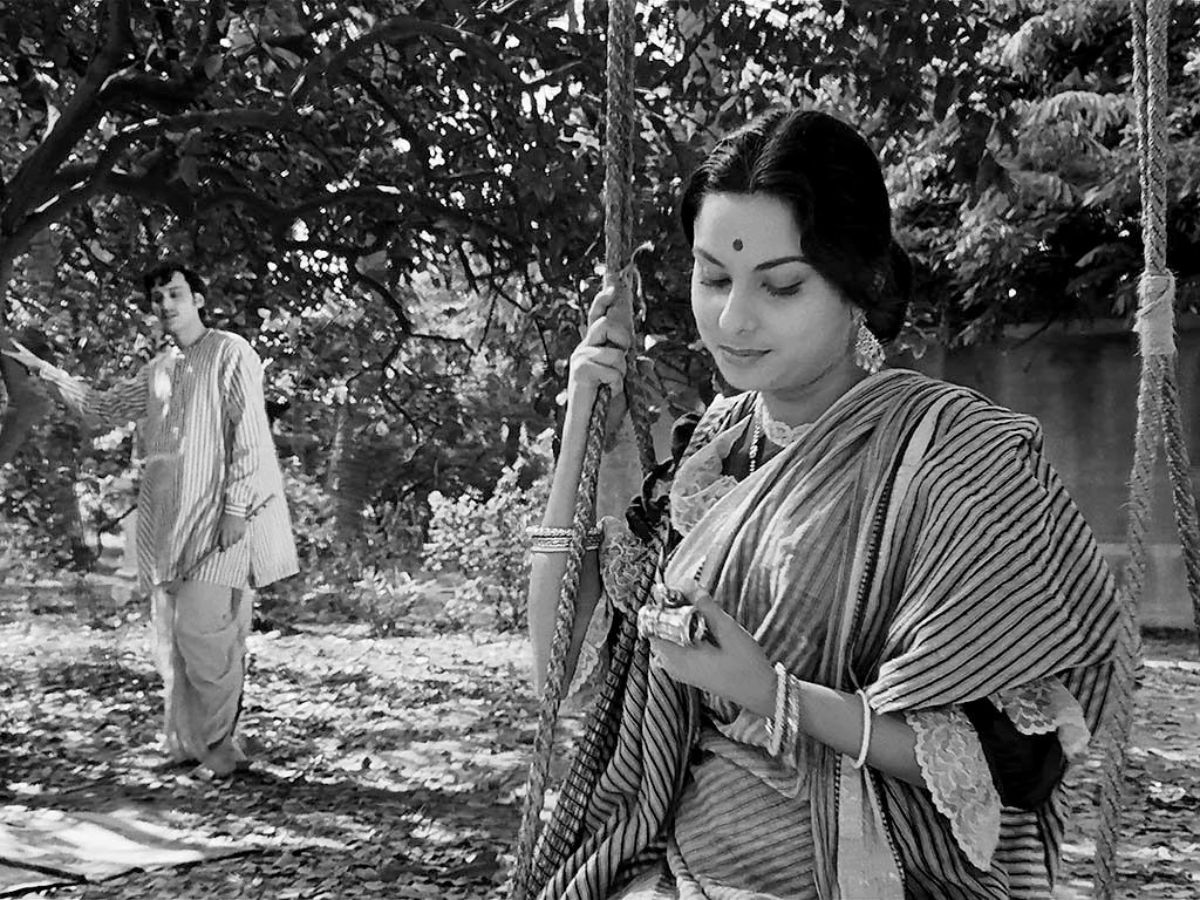
Charulata (1964)
Directed by Satyajit Ray and based on Tagore’s novella Nashtanirh (The Broken Nest), this film portrays the emotional solitude of a woman in colonial Bengal. Torn between societal roles and personal longing, her quiet journey is brought to life with Ray’s subtle direction and Tagore’s introspective storytelling.
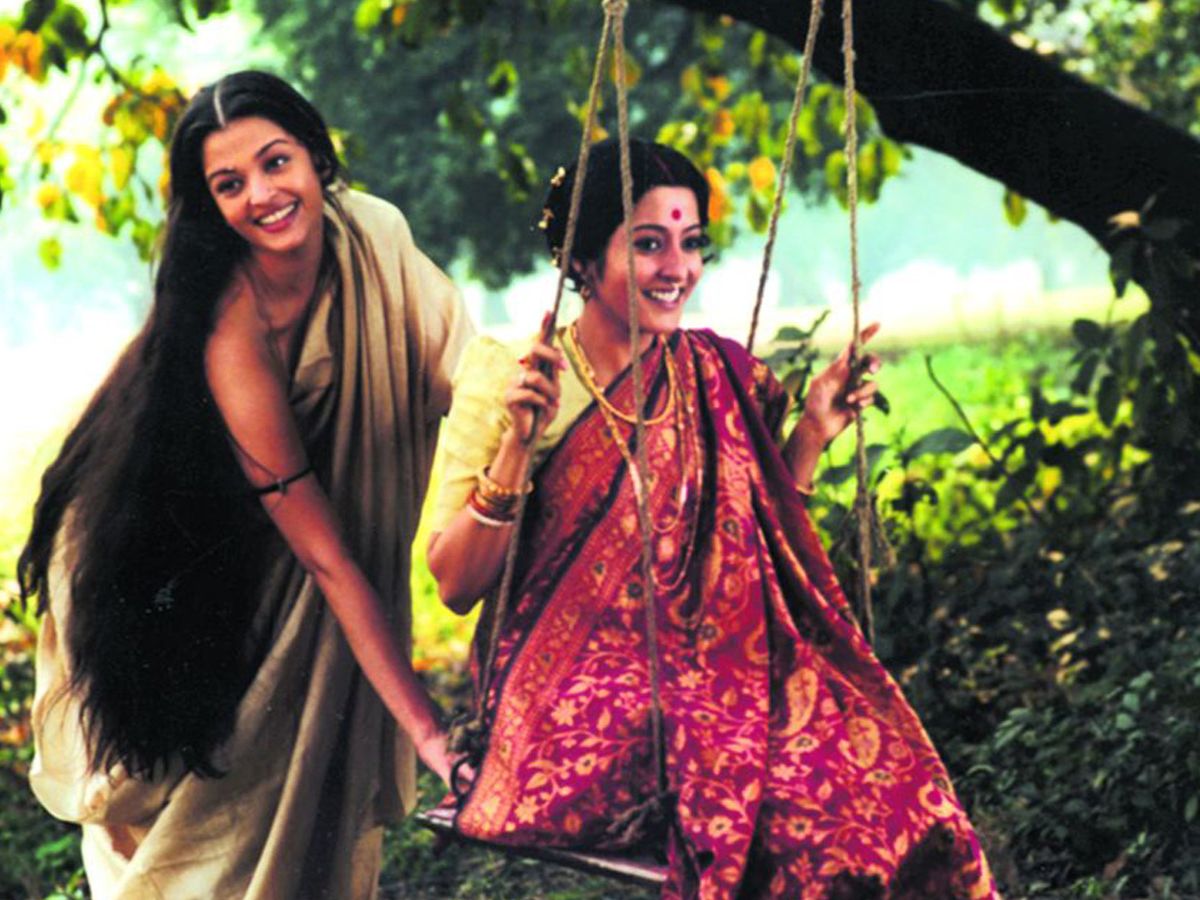
Chokher Bali (2003)
Rituparno Ghosh’s adaptation of Chokher Bali centers on Binodini, a young widow navigating complex relationships and societal expectations. Set in early 20th-century Bengal, the film explores themes of desire, betrayal, and the constraints placed on women—echoing Tagore’s progressive voice.
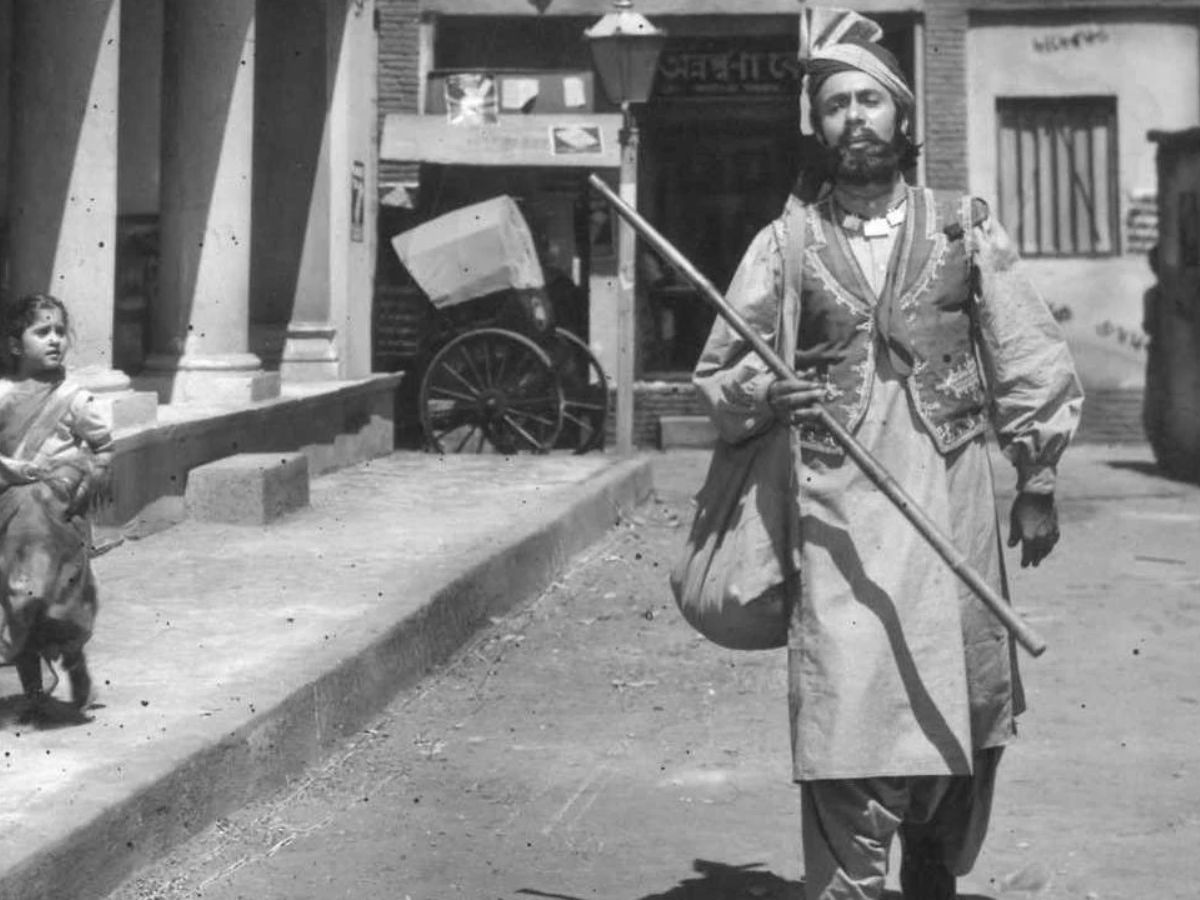
Kabuliwala (1961)
Tapan Sinha’s Kabuliwala tells the touching story of a fruit seller from Kabul and his bond with a little girl in Kolkata. Based on Tagore’s short story, the film explores migration, fatherhood, and cross-cultural friendship, with music that continues to move audiences.
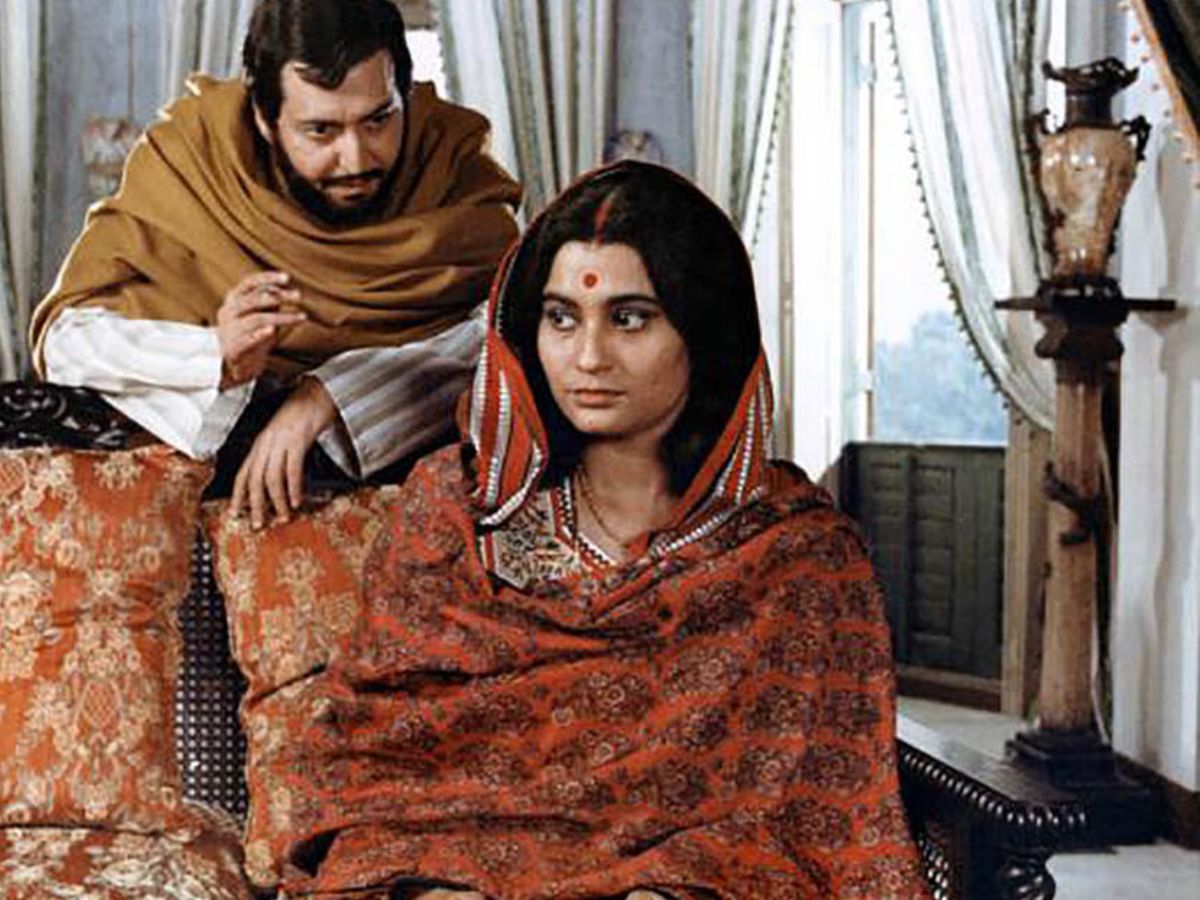
Ghare-Baire (1984)
Another Satyajit Ray classic, Ghare-Baire (The Home and the World) is set during the Swadeshi movement. Adapted from Tagore’s novel, it examines nationalism, gender roles, and the tension between tradition and modernity through a layered love triangle.
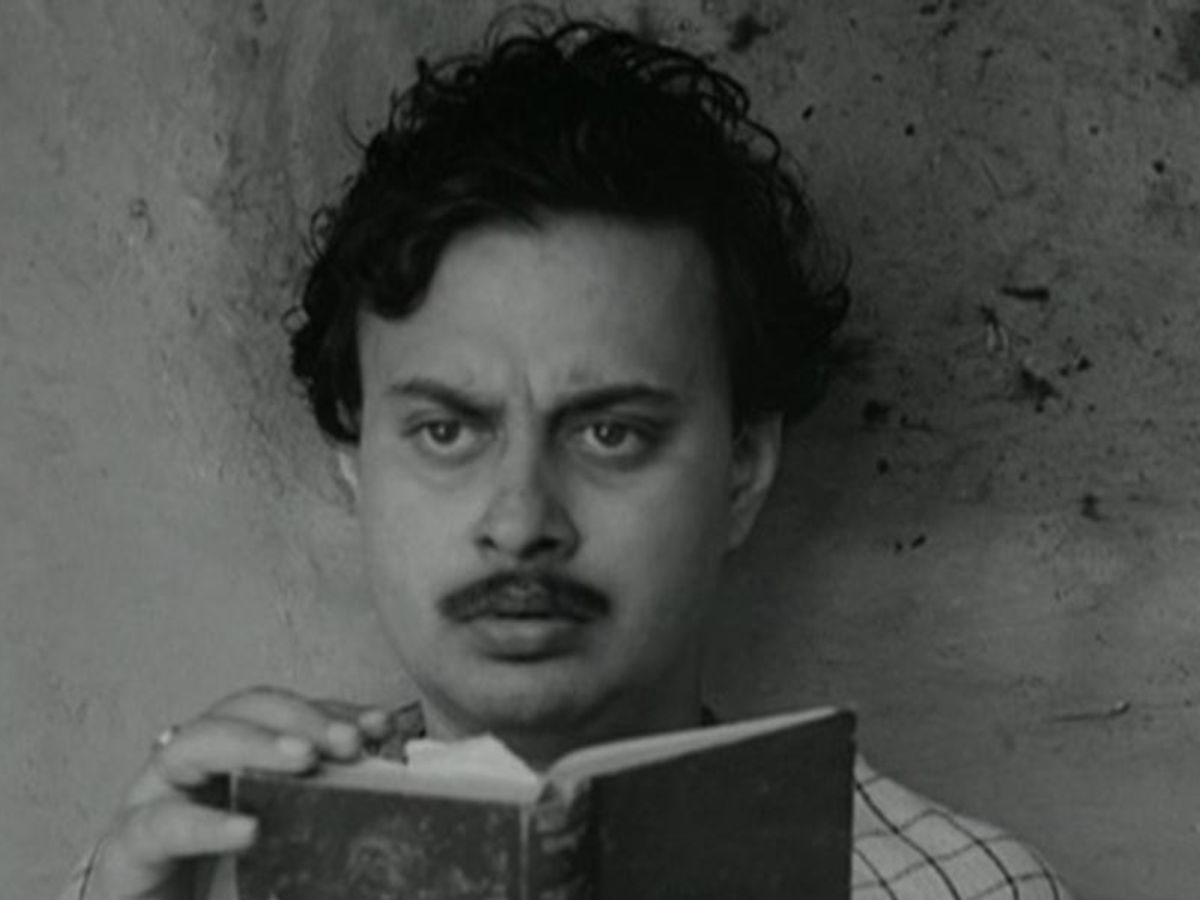
Postmaster (1961)
Part of Ray’s Teen Kanya anthology, Postmaster follows a young man posted in a rural village and his bond with an orphan girl named Ratan. The story’s simplicity and emotional depth reflect Tagore’s gift for capturing everyday human experiences.

Balidan (1927)
One of the earliest film adaptations of Tagore’s work, Balidan (The Sacrifice) is based on his play and explores the clash between religious orthodoxy and reformist ideals. As a silent-era film, it stands as a bold reflection of Tagore’s social commentary.
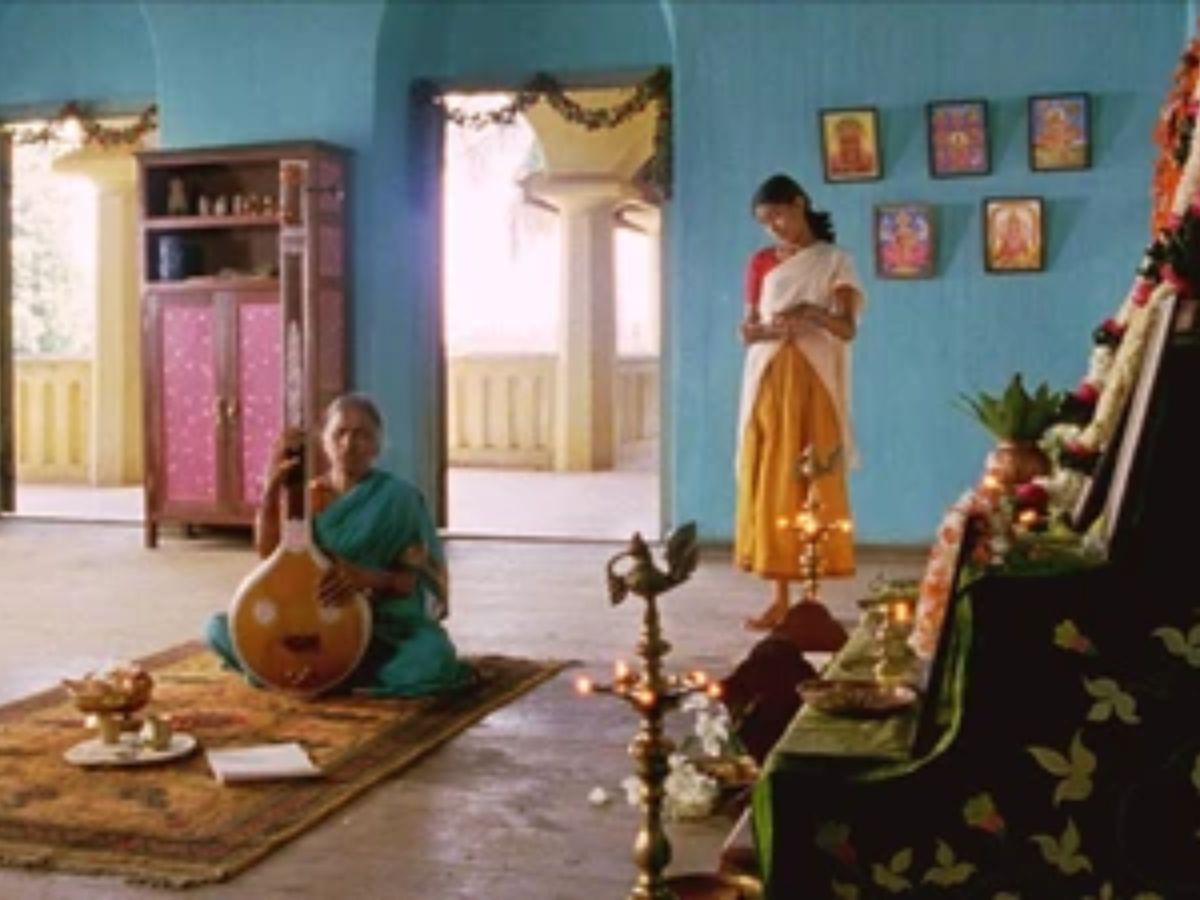
Mon Amour: Shesher Kobita Revisited (2008)
Directed by Subhrajit Mitra, this modern retelling of Shesher Kobita (The Last Poem) brings Tagore’s romantic novel into a contemporary setting. It retains the original’s philosophical exploration of love and compatibility while making it relatable for today’s audience.

Disclaimer
The information provided is just for informational and appreciation purposes only.




