
From India To China: Here’s The List Of The 10 Countries With The Largest Railway Networks In The World
Railways play a crucial role in the development of any nation, connecting urban centers, facilitating the movement of goods, and transporting millions of passengers every day. A well-developed railway system promotes faster travel, enhances trade, and generates numerous job opportunities. It also helps reduce traffic congestion on roads and contributes to lowering pollution levels. However, when it comes to the country with the largest railway network in the world, the answer may not be as straightforward as one might think. Does the largest network belong to the most populous nation, or is it determined by the country’s geographic size? The reality might surprise many.
Each country’s railway system has evolved differently, influenced by factors such as population density, industrial growth, and geographic conditions. Some nations focus on high-speed passenger trains connecting major cities, while others emphasize freight transport to support trade and industry.
Understanding the scale and impact of these railway networks highlights their importance in national development. A strong rail infrastructure not only improves connectivity but also strengthens economic growth, promotes regional integration, and supports sustainable transportation. By examining these systems in detail, we gain insight into how railways shape a nation’s economy and daily life.
From sprawling networks covering thousands of kilometers to specialized routes that boost commerce, the world’s largest railway systems reveal much about the priorities and progress of different countries. In the following sections, we will dive into the specifics of these networks and discover what makes each one remarkable.
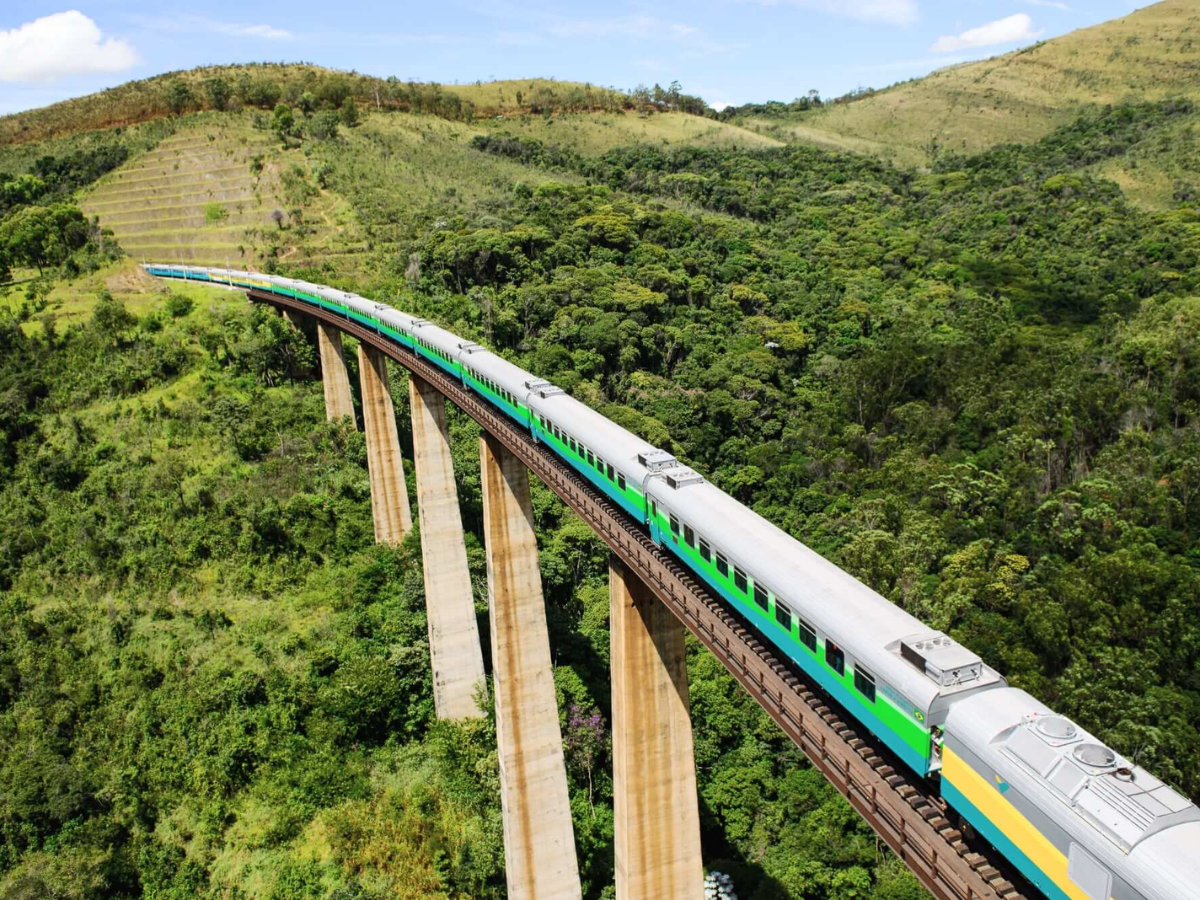
Brazil
Brazil has a railway network of about 30,000 km, mainly focused on freight transport. Railways carry commodities like iron ore, soybeans, and sugar to ports for export. Passenger services are limited but operate in key metropolitan areas. Brazil’s railway system helps connect remote regions and supports the agricultural and mining sectors, playing a crucial role in national economic growth.
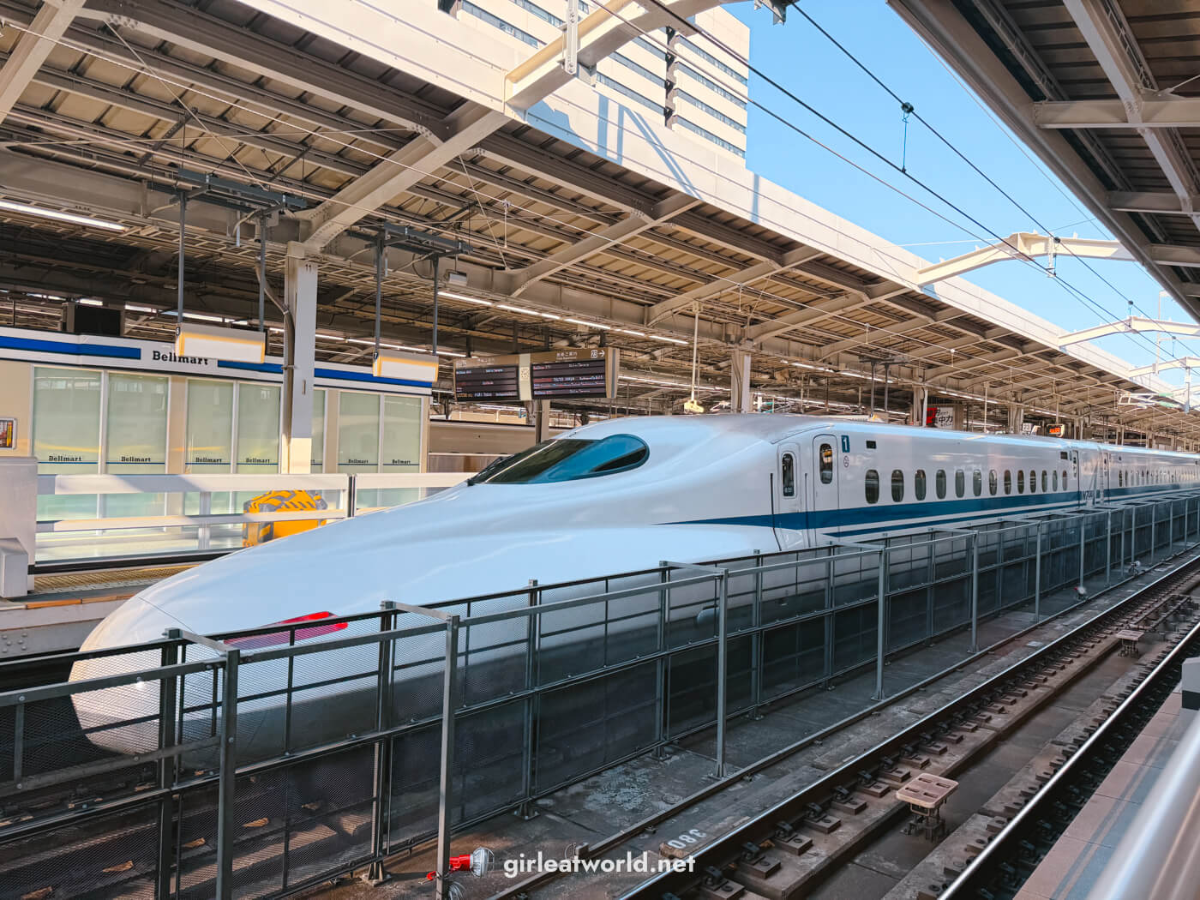
Japan
Japan’s railway network spans around 27,000 km and is famous for its punctual, high-speed Shinkansen trains. Japanese railways provide seamless urban and intercity connectivity, serving millions of daily commuters and tourists. Freight transport is also well-organized, especially in industrial regions. Japan’s emphasis on safety, efficiency, and advanced technology makes its railway system one of the most sophisticated in the world.
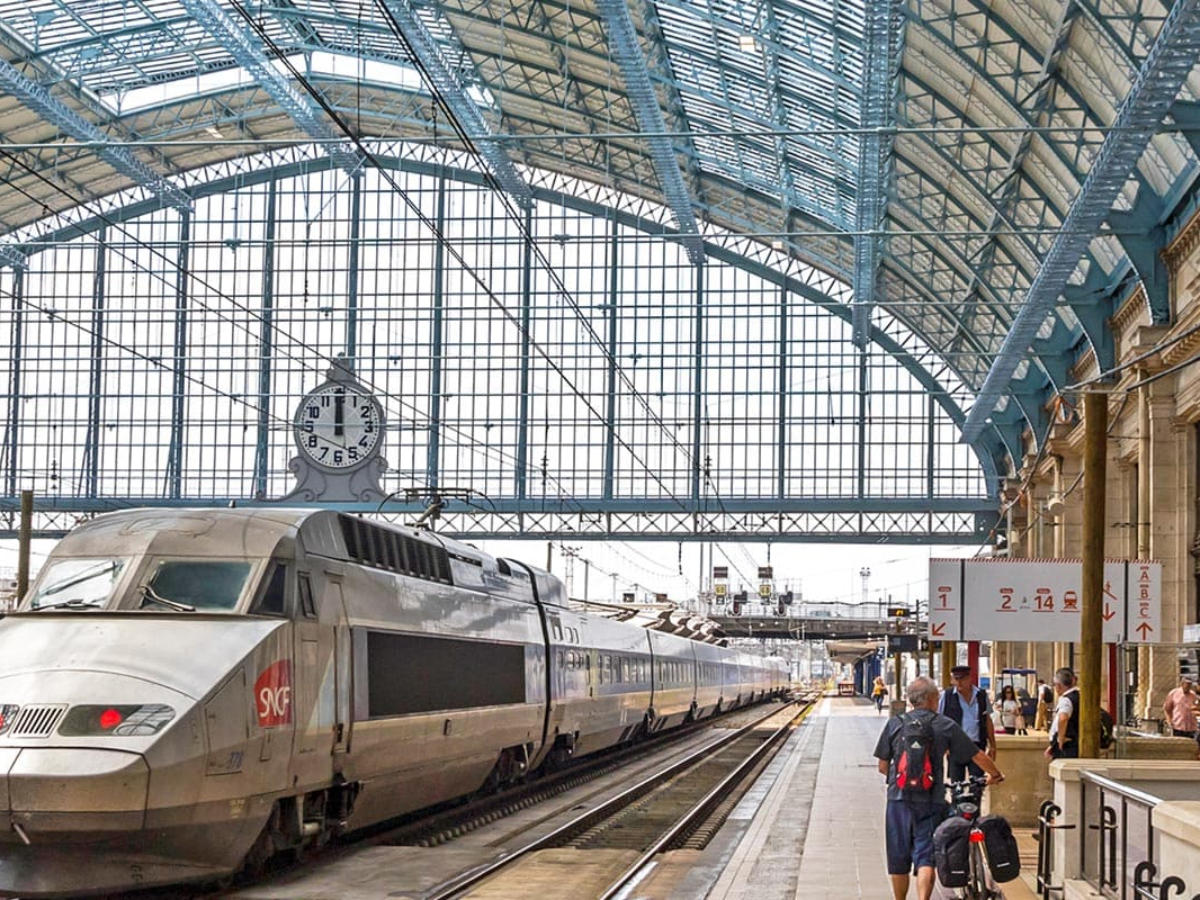
France
France has a railway network of approximately 29,000 km, with the TGV high-speed train system as a global benchmark. French railways efficiently connect major cities like Paris, Lyon, and Marseille, as well as neighboring European countries. Passenger services are highly developed, while freight trains transport industrial goods and agricultural products. France’s railway network combines conventional and high-speed tracks, providing an eco-friendly alternative to road and air transport.
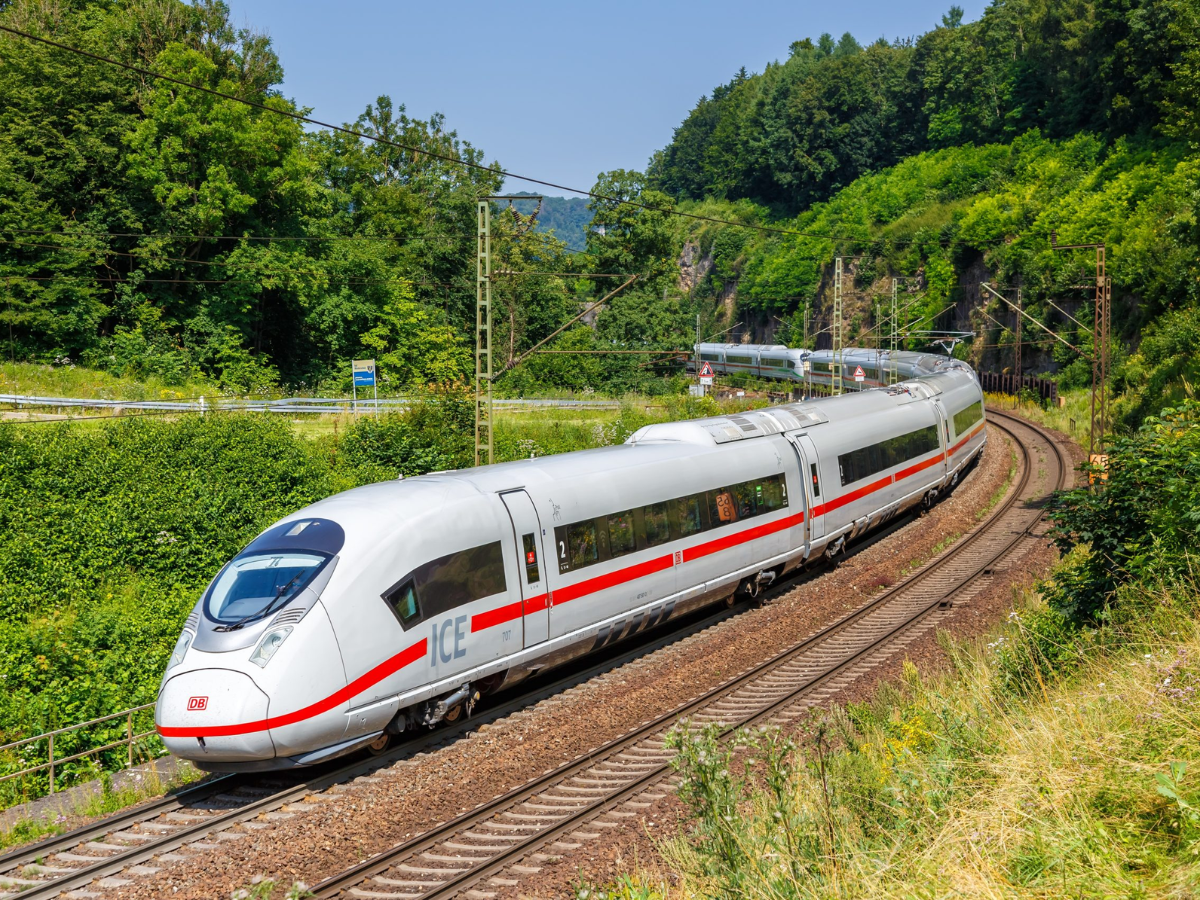
Germany
Germany’s railway network extends over 41,000 km, with Deutsche Bahn managing both passenger and freight services. Germany is known for its efficient, punctual, and high-speed passenger trains connecting cities like Berlin, Munich, and Frankfurt. Railways also transport industrial goods, automobiles, and chemicals. The network integrates well with Europe’s transnational rail system, ensuring seamless connectivity for trade and travel across borders. Germany continues to upgrade tracks for faster, eco-friendly travel options.
Australia
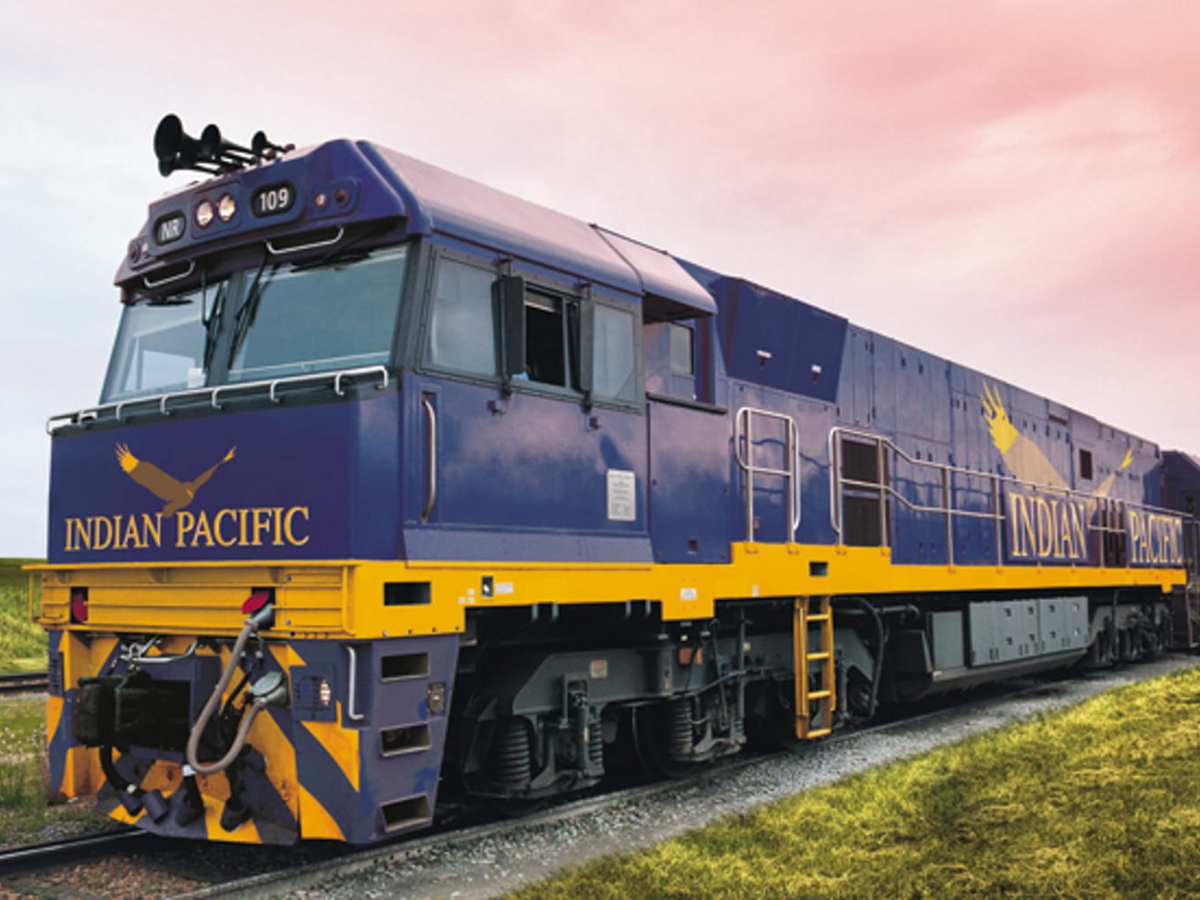
Australia has a railway network of around 45,000 km, linking major cities and industrial regions. The network primarily focuses on freight, including coal, minerals, and agricultural products. Passenger trains operate mainly in urban centers and along scenic routes. Railways play a crucial role in supporting the country’s economy and connecting its widely dispersed population. Australia continues to invest in modernizing tracks and expanding freight corridors to improve efficiency.
Canada
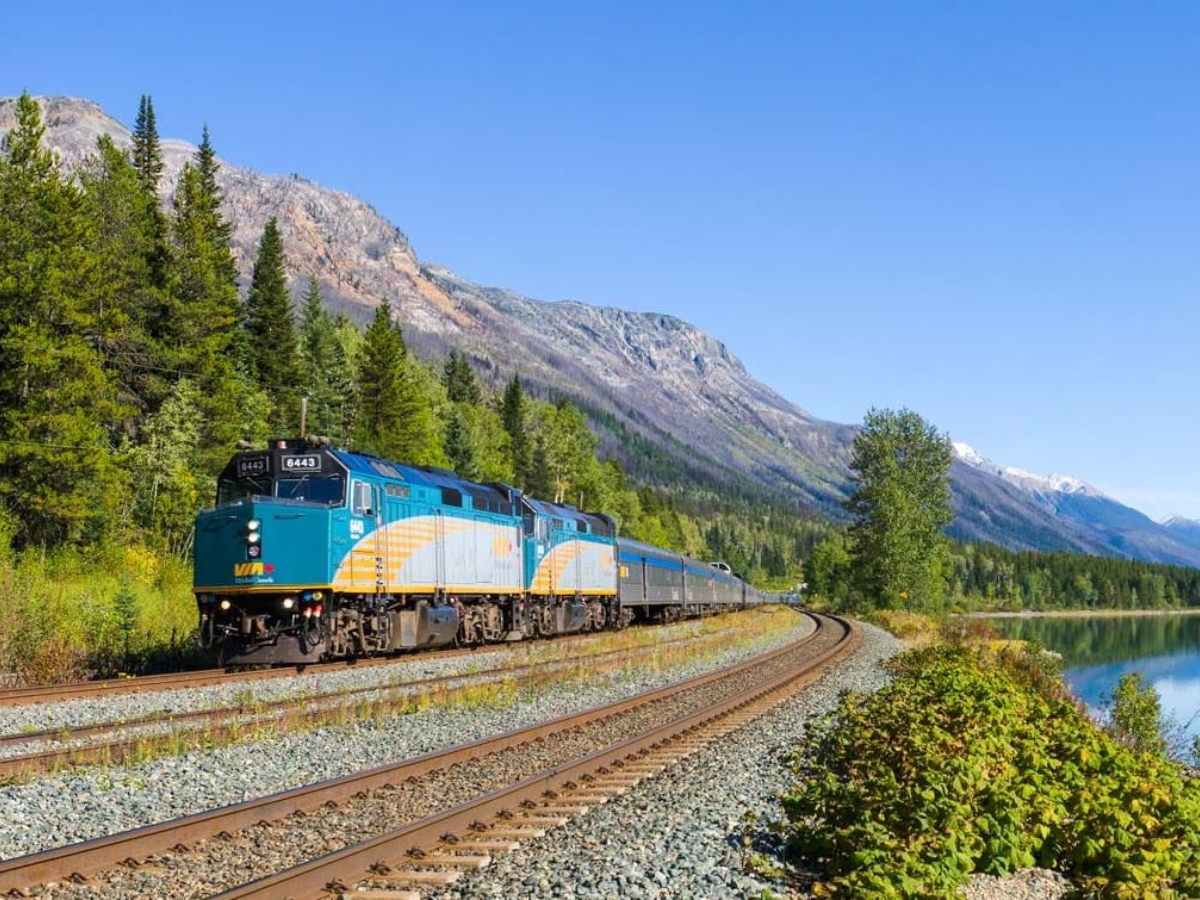
Canada’s railway network spans approximately 46,000 km, connecting provinces from east to west. Railways are primarily used for freight, transporting resources like timber, oil, and minerals. Passenger services are limited but include VIA Rail, connecting major cities. Canada’s vast geography and challenging terrain make rail transport essential for trade and economic growth. Railways help bridge remote regions and ensure smooth movement of goods across the country.
India
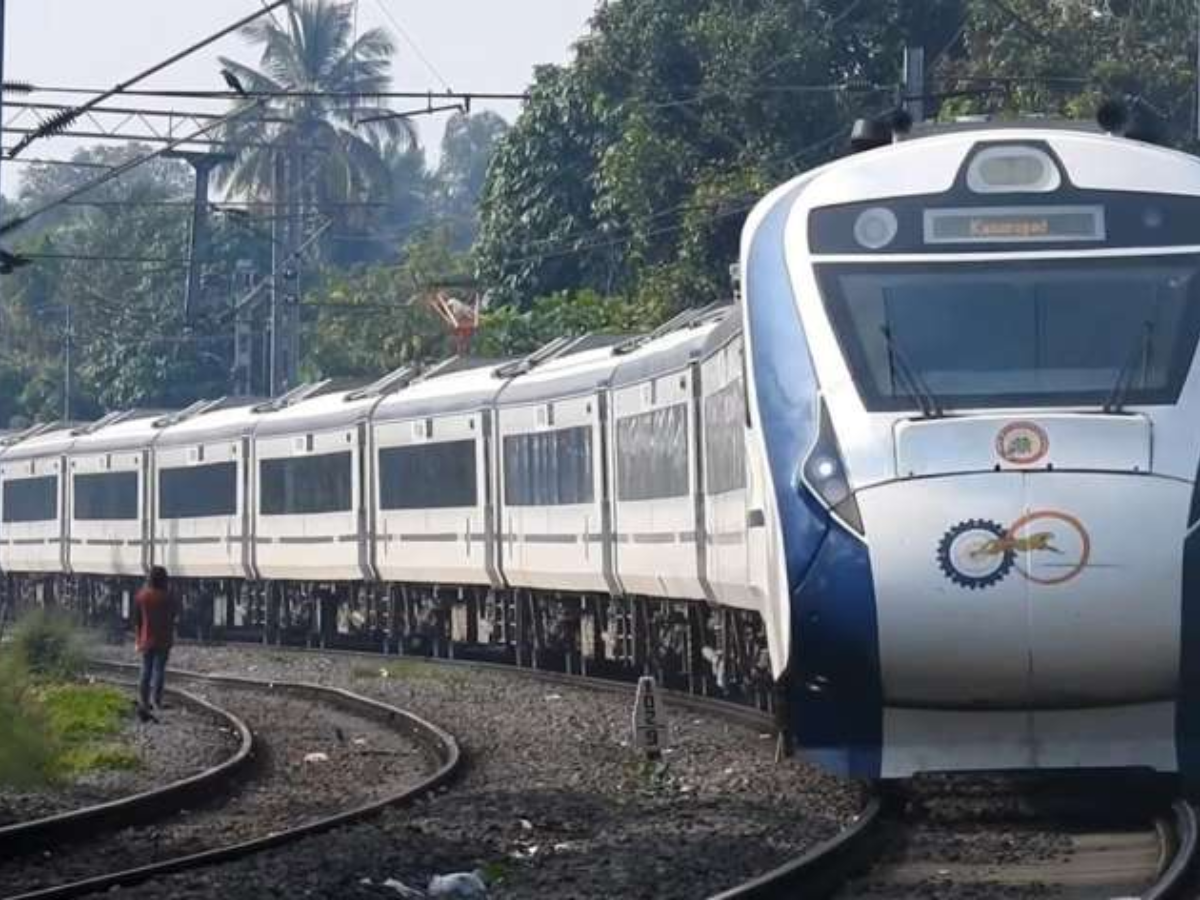
India has a railway network of over 68,000 km, making it the fourth largest globally. Indian Railways is the largest employer in the country, handling millions of passengers daily. Its network covers remote villages, towns, and major cities, offering both freight and passenger services. Trains like the Rajdhani, Shatabdi, and Vande Bharat Express provide fast and comfortable travel. The Indian railway system also plays a key role in boosting the country’s economy by transporting goods and raw materials efficiently.
Russia
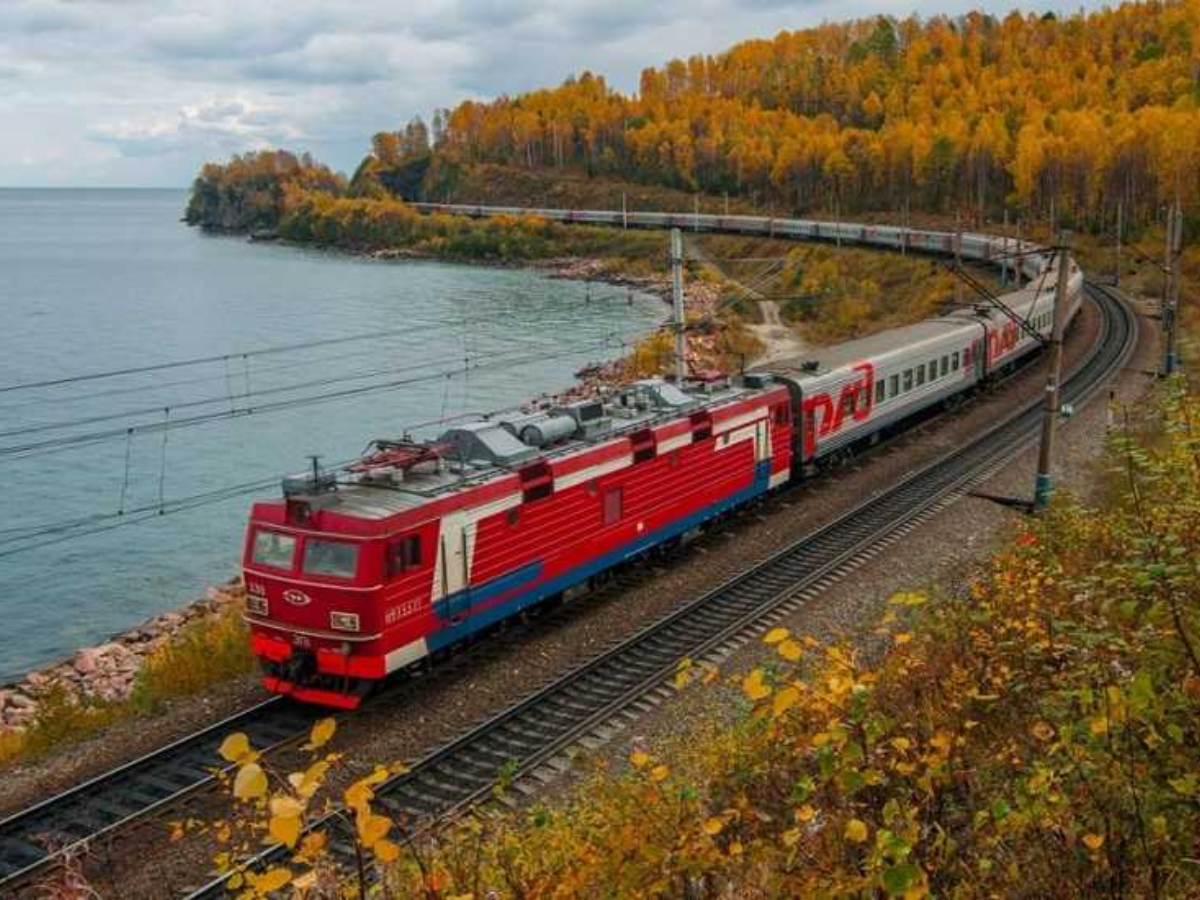
Russia’s railway network stretches over 87,000 km, connecting the vast country from Moscow to Vladivostok. It is a lifeline for transporting goods like oil, gas, and minerals across remote regions. The Trans-Siberian Railway, the longest railway line in the world, is a major highlight, linking Russia with Asia and Europe. Rail transport remains vital in Russia due to its harsh climate and large distances, providing efficient connectivity for both freight and passengers across the nation.
China
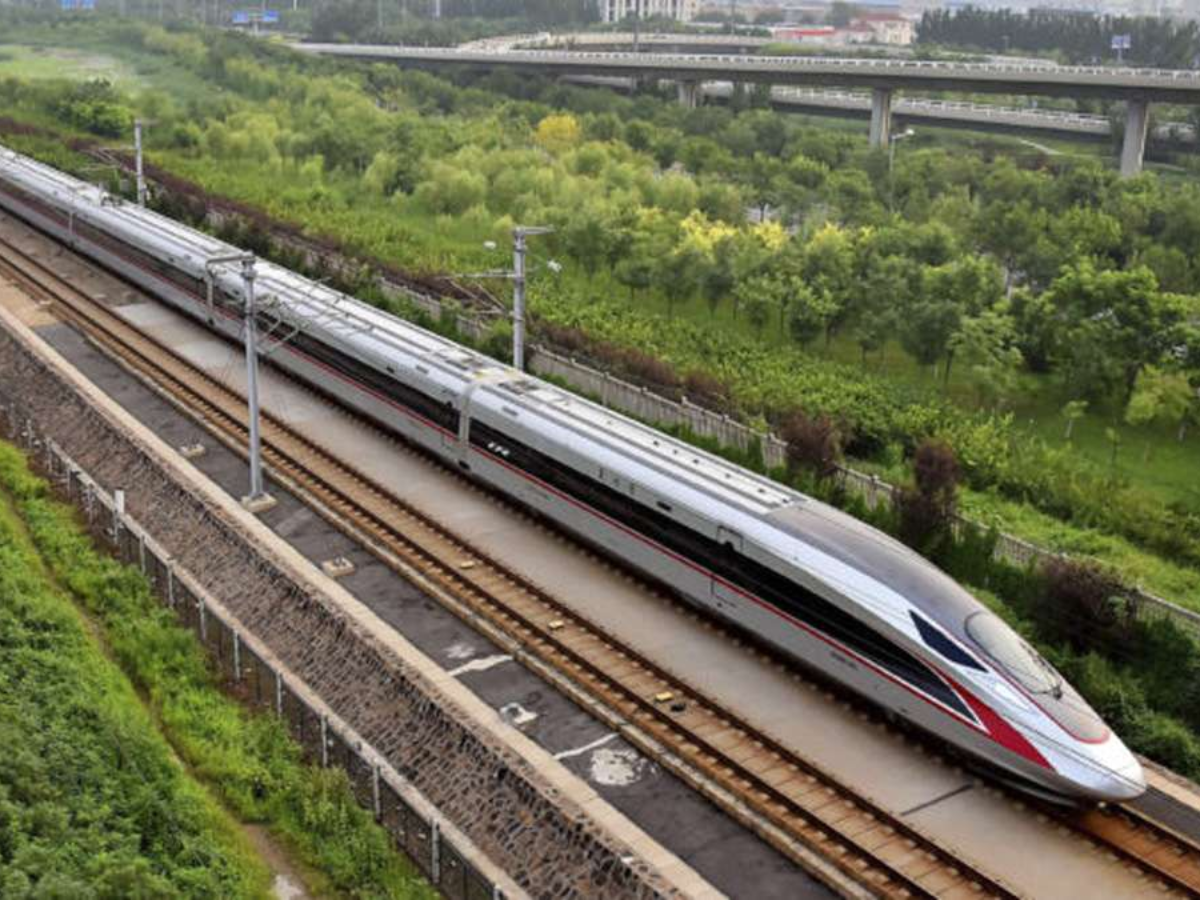
China ranks second with a railway network exceeding 146,000 km. It has rapidly expanded high-speed rail in the past decade, linking cities like Beijing, Shanghai, and Guangzhou. China Railway operates a mix of freight and passenger services, supporting the world’s fastest-growing economy. The high-speed trains cover thousands of kilometers daily, making travel efficient, reliable, and accessible for millions. The combination of conventional and high-speed rail has positioned China as a global leader in modern railway transport.
United States
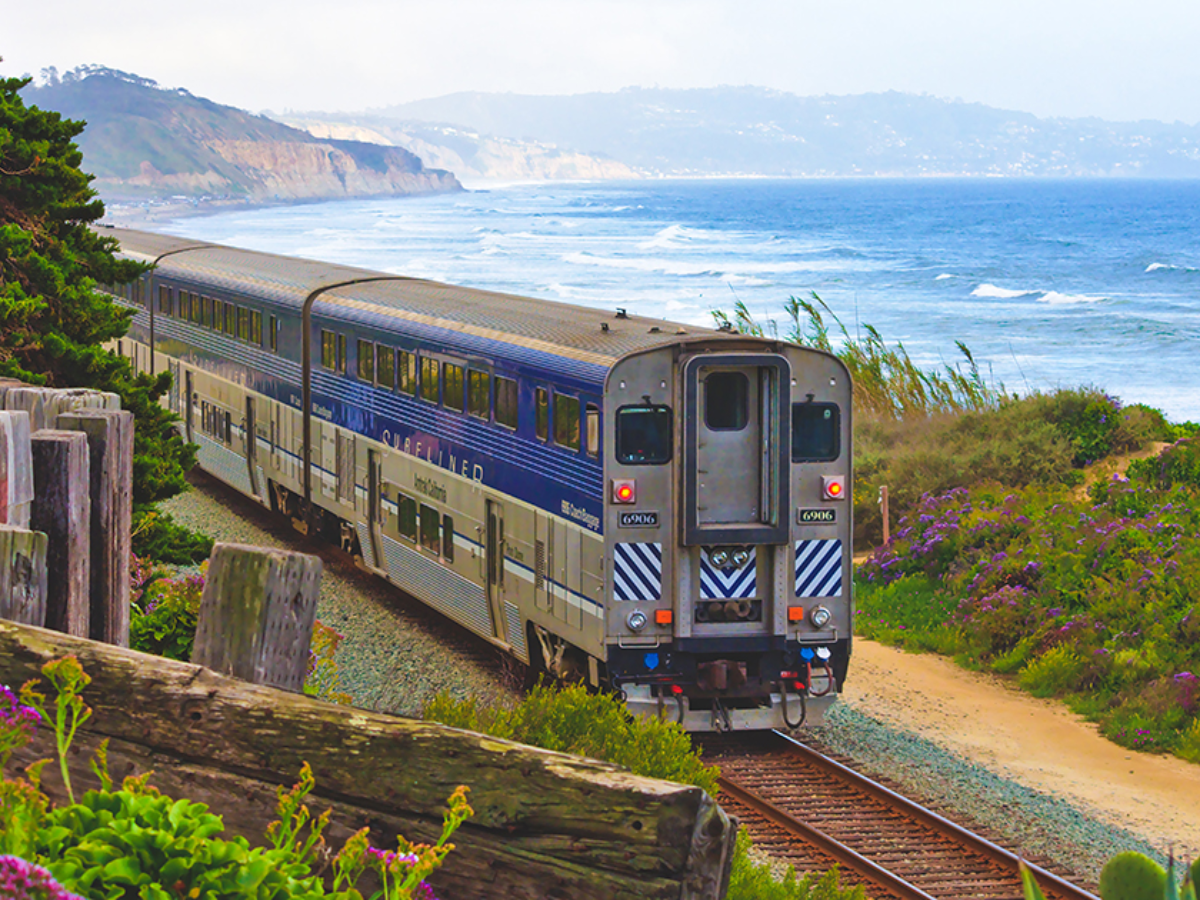
The United States holds the largest railway network globally, spanning over 250,000 km. Its network primarily focuses on freight transport, connecting major industrial hubs, ports, and agricultural regions. Passenger trains like Amtrak serve urban centers but cover a smaller portion of the network. The vast system supports the US economy by moving coal, agricultural produce, and manufactured goods efficiently. Its extensive railway infrastructure makes it a crucial backbone for both trade and travel.




