
How to Identify Chemically Treated Watermelon: Simple Safety Tips to Spot Adulterated Fruit at Home
Watermelon is one of the most popular summer fruits, known for its refreshing taste and high water content. However, rising concerns about chemically treated or artificially enhanced watermelons have made consumers more cautious. While most watermelons sold in the market are safe, some may be exposed to harmful chemicals for faster growth, enhanced color, or preservation. Knowing how to identify such fruits can help you protect your health and make safer choices.
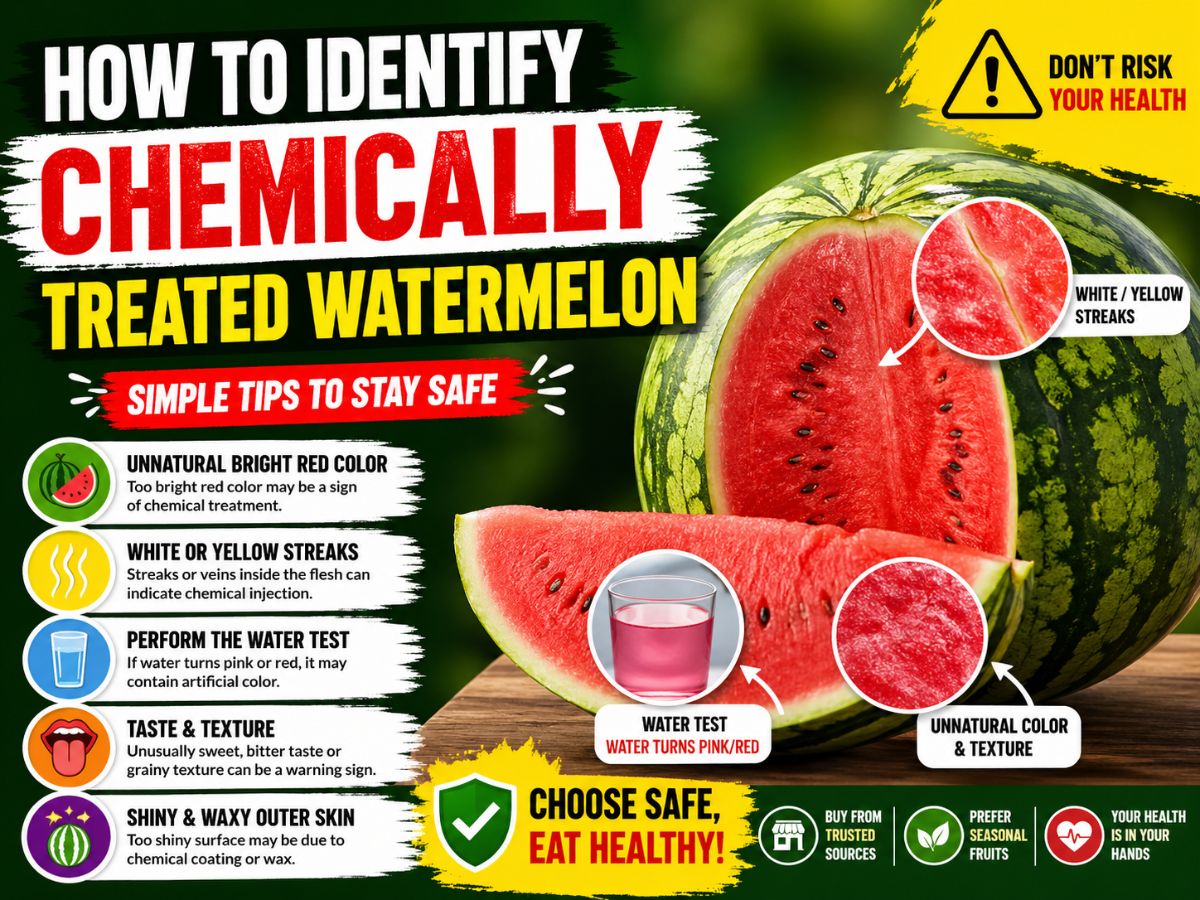
Check the Colour of the Flesh
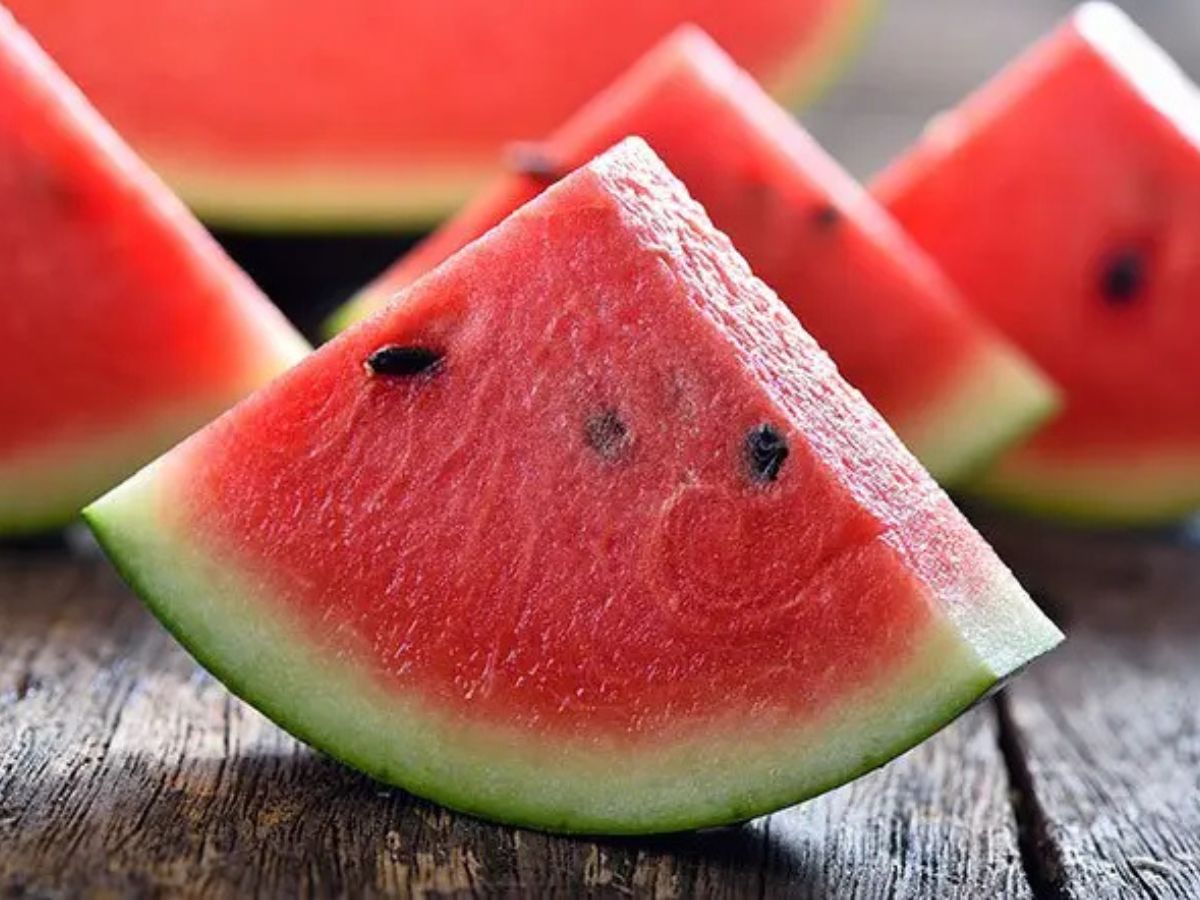
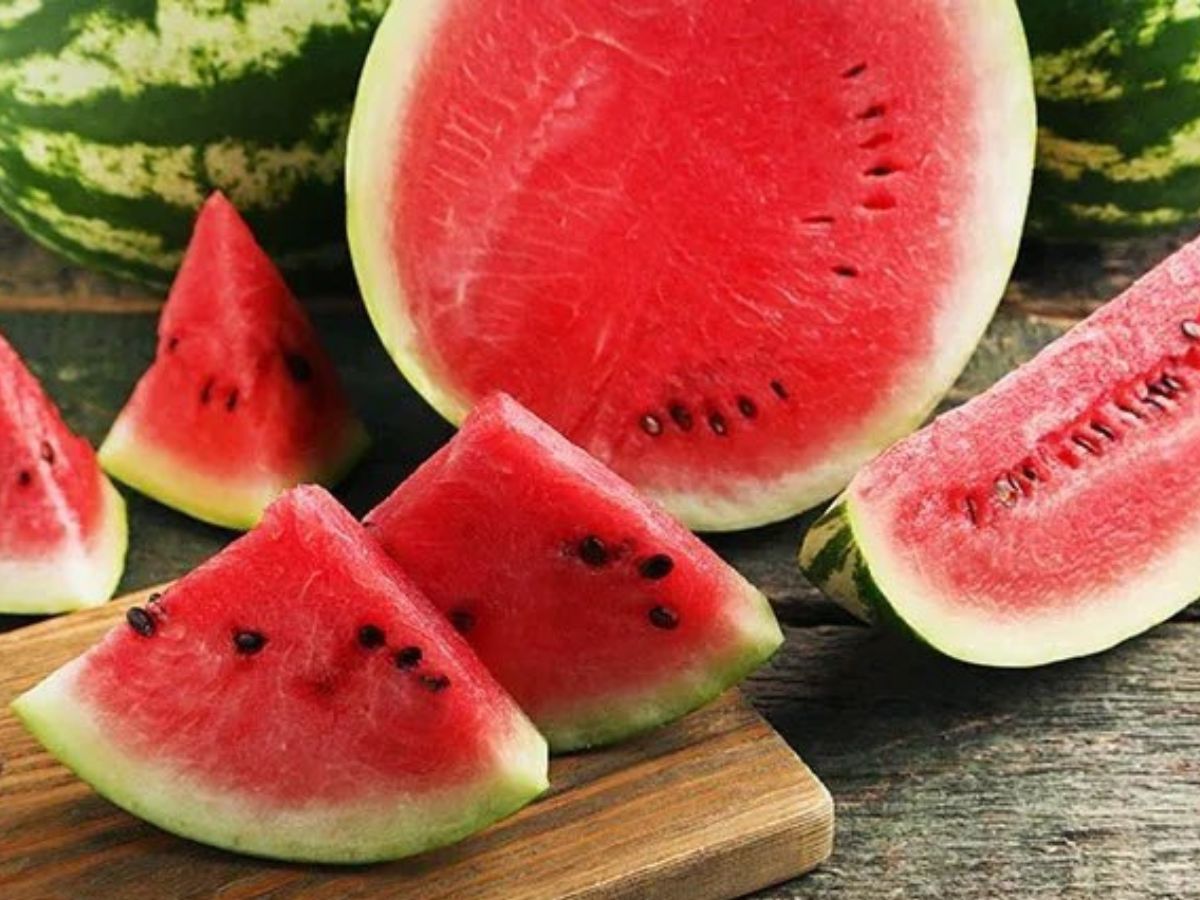
A naturally ripe watermelon usually has a consistent pink to deep red color. If the flesh looks unnaturally bright red or overly glossy, it may have been chemically enhanced. Also, watch for uneven patches or strange discoloration inside the fruit.
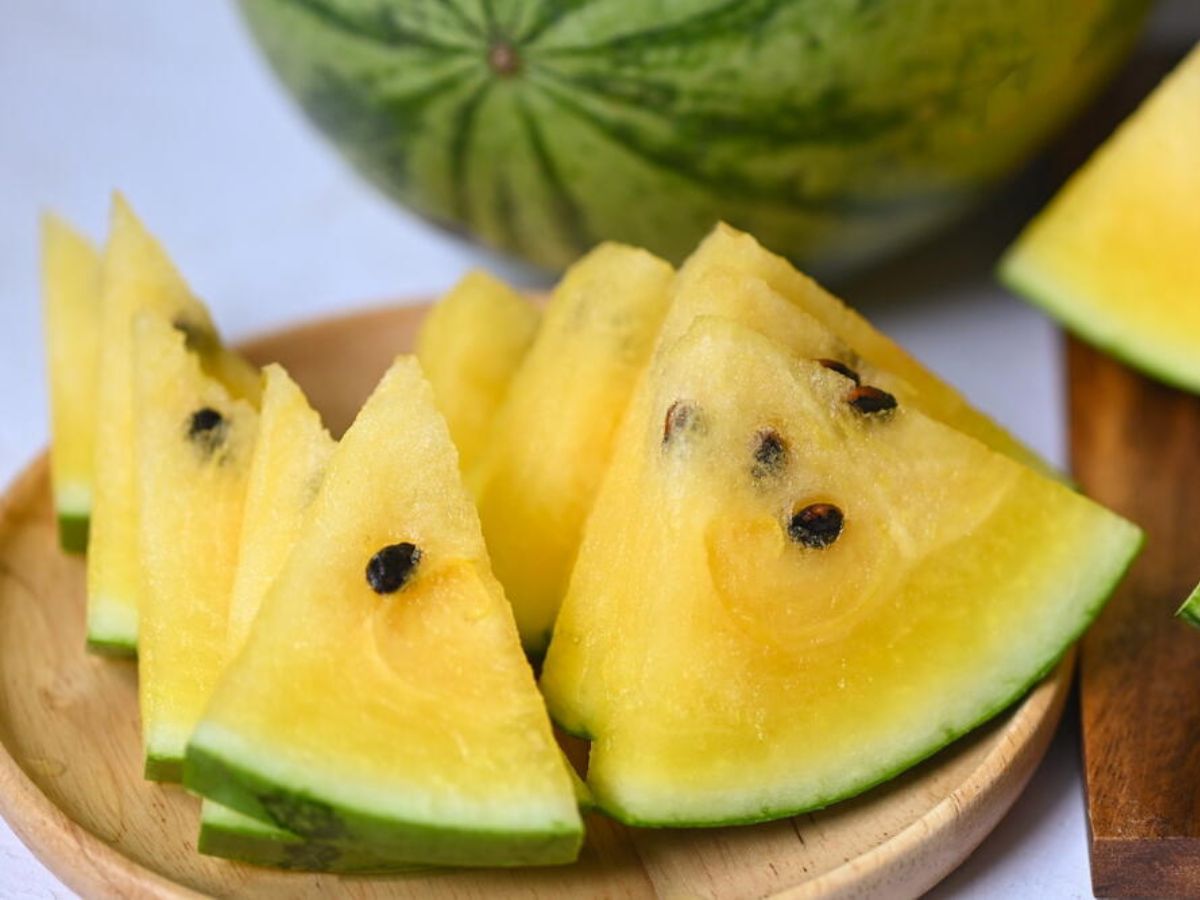
Look for White or Yellow Streaks
One of the most common signs of chemical injection is the presence of white or yellowish veins or streaks in the flesh. These may indicate the use of artificial coloring agents or chemicals to improve appearance.
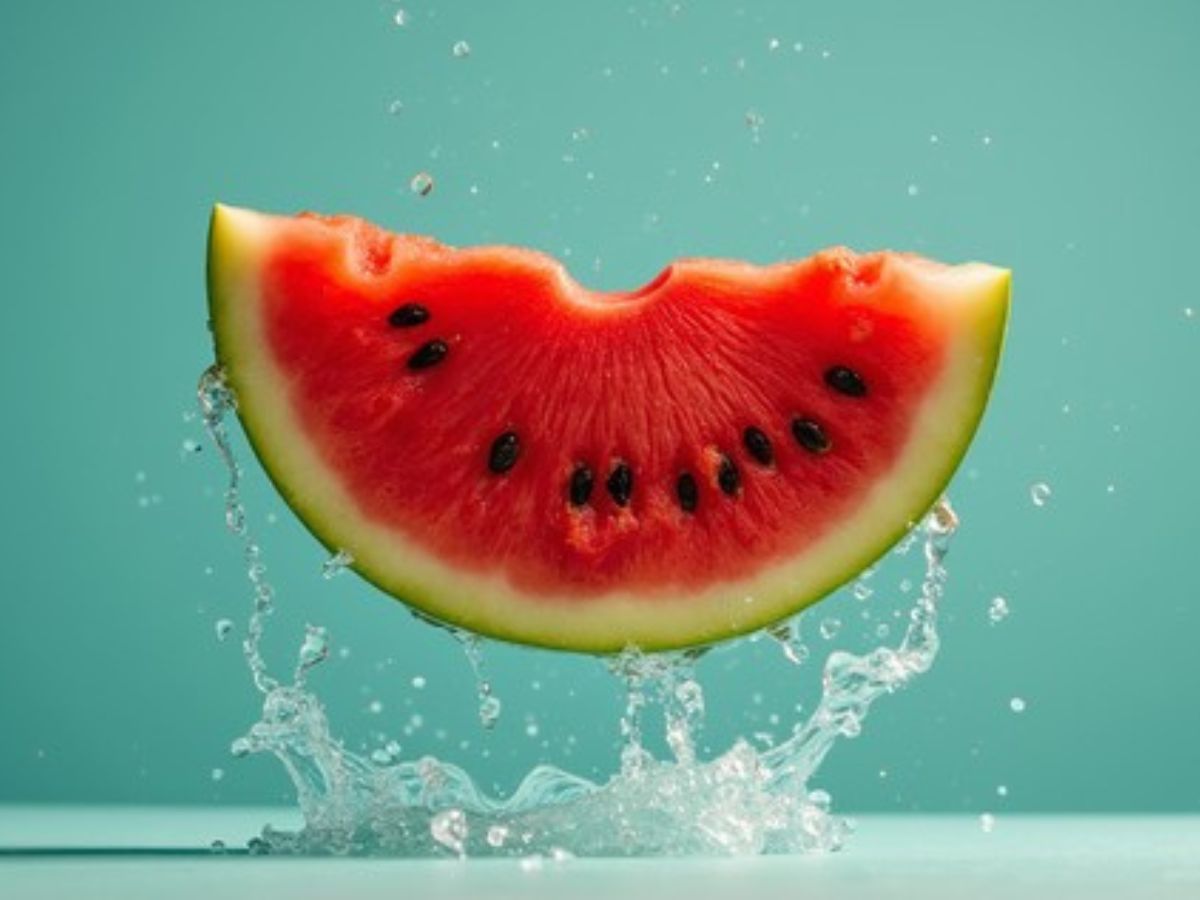
Perform the Water Test
Take a small piece of watermelon and place it in a glass of water. If the water turns pink or red quickly, it could mean artificial dyes have been added. A natural watermelon will not release color into the water.
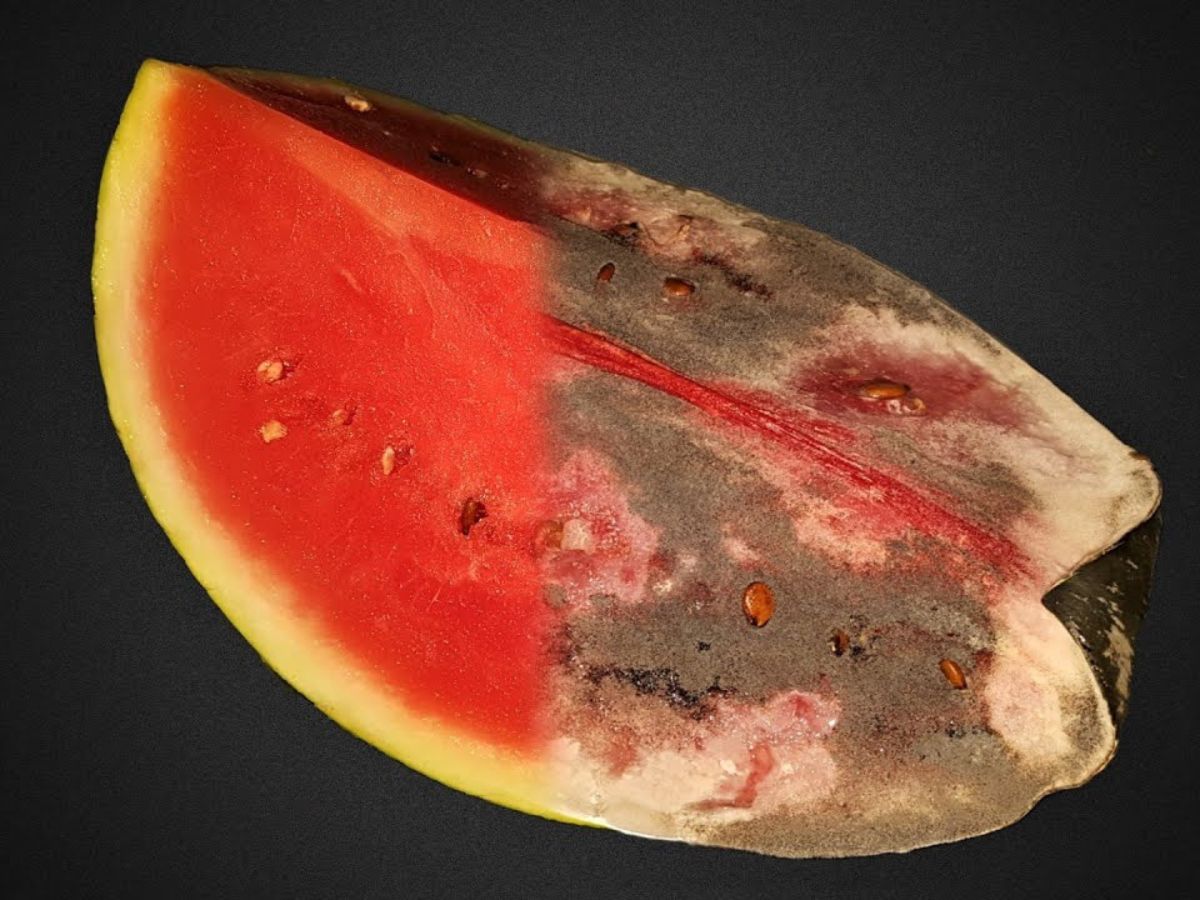
Observe the Taste and Texture
Chemically treated watermelons often taste unusually sweet or slightly bitter. The texture may also feel grainy or overly soft instead of crisp and juicy.
Check the Outer Appearance
A healthy watermelon usually has a dull, dark green rind with a yellow field spot (where it rested on the ground). If the outer skin looks too shiny or waxy, it could be a sign of chemical treatment or coating.
Be Cautious of Off-Season Availability
Watermelons are seasonal fruits. If you find them widely available outside peak summer months, there is a higher chance they may have been artificially ripened or preserved using chemicals.




