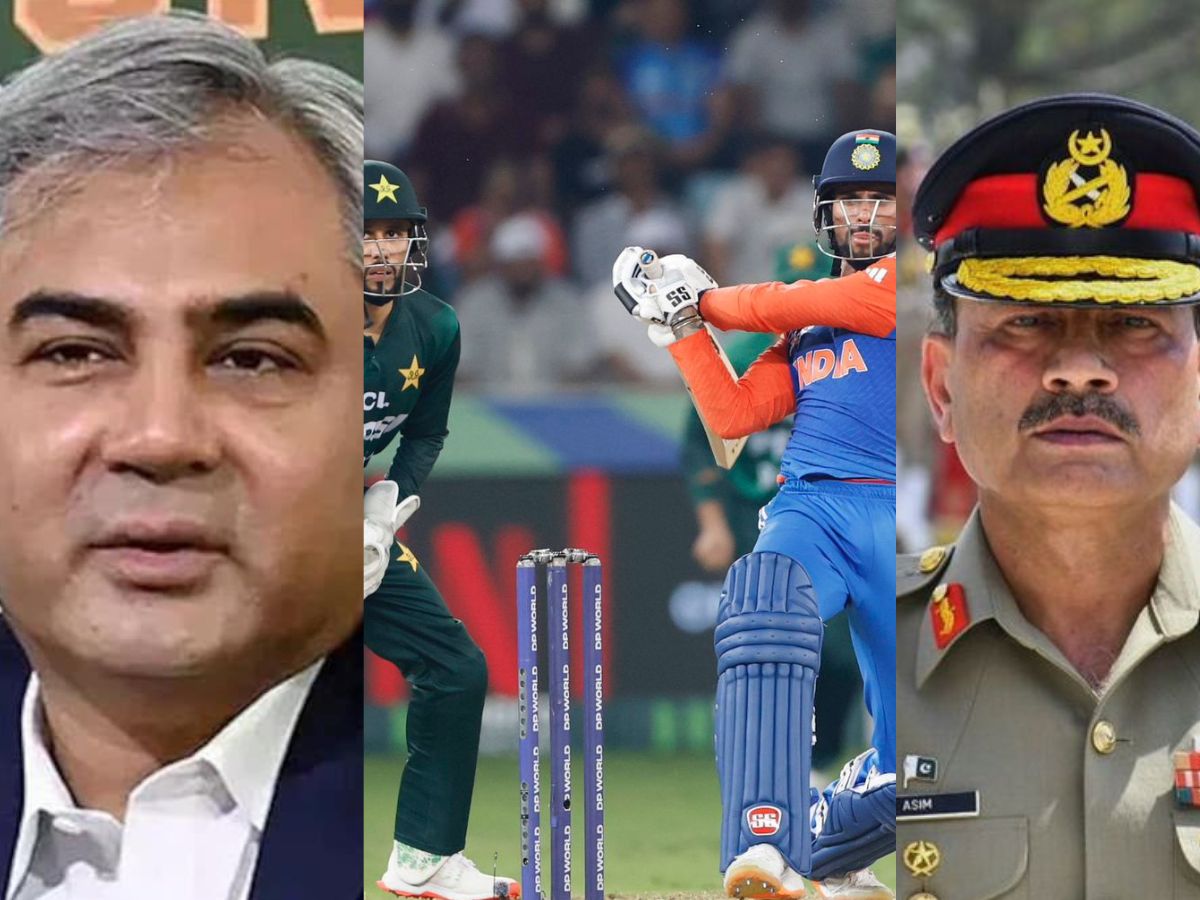

Having spent days of life on high stakes negotiations and had a tense stand off over the planned boycott by Pakistan on their India vs Pakistan match in the ICC Men T20 World Cup 2026, a dramatic reply by the Pakistan Cricket Board Chairman Mohsin Naqvi has cited military leadership amidst intense pressure by cricketing bodies and governments.
IND vs PAK T20 World Cup Match, Colombo
The government of Pakistan initially advised its team not to compete in the February 15 match in Colombo as a gesture of support to Bangladesh, which was banned in the tournament after it said it would not travel to India because of security reasons. This sudden announcement of boycotting attracted sharp criticism of the ICC and created apprehension of possible sanctions, colossal business losses and diplomatic consequences to the flagship event of the sport of cricket.
What Did Mohsin Naqvi Say?
According to the PCB chief, both he and his government remained unafraid of the threats issued by India and the ICC. ‘Neither am I intimidated by the threats from India and the ICC, nor is the Government of Pakistan, and as for Field Marshal Syed Asim Munir, you already know about him, he never gets afraid’, Naqvi said. Naqvi was confrontational when replying to reporters, claiming he would not be afraid of the consequences of the ICC and referenced the name of the Pakistani army chief Field Marshal Asim Munir, to show that he could take a stand against threats of punishment, which has not been the norm with the ICC. His remarks were an indication that the PCB and the government were on the same page to counter the pressure exerted by the ICC and the western cricketing associations. It was observed that his reference to Munir indicated how cricket choices were held together to the larger geopolitical and national pride stories and not necessarily sporting interests alone.
Pakistan’s Short ‘Boycott Drama’
This resistance was however short lived. The Pakistan government finally changed their minds and advised the PCB to play the scheduled match with India after multilateral negotiations between the ICC, Bangladesh cricket board and other co host countries like Sri Lanka and UAE. The move was made in the wake of controversy regarding the financial and sporting consequences of the withdrawal, such as the possible loss of millions in TV money, and the diplomatic pressure led especially by Bangladesh to keep the so called spirit of cricket alive in Pakistan. Although the comments by Naqvi at first highlighted the aspect of defiance, the resolution of the incident involving one of the most controversial moments of the T20 World Cup can be seen as a result of the internal and external forces.