
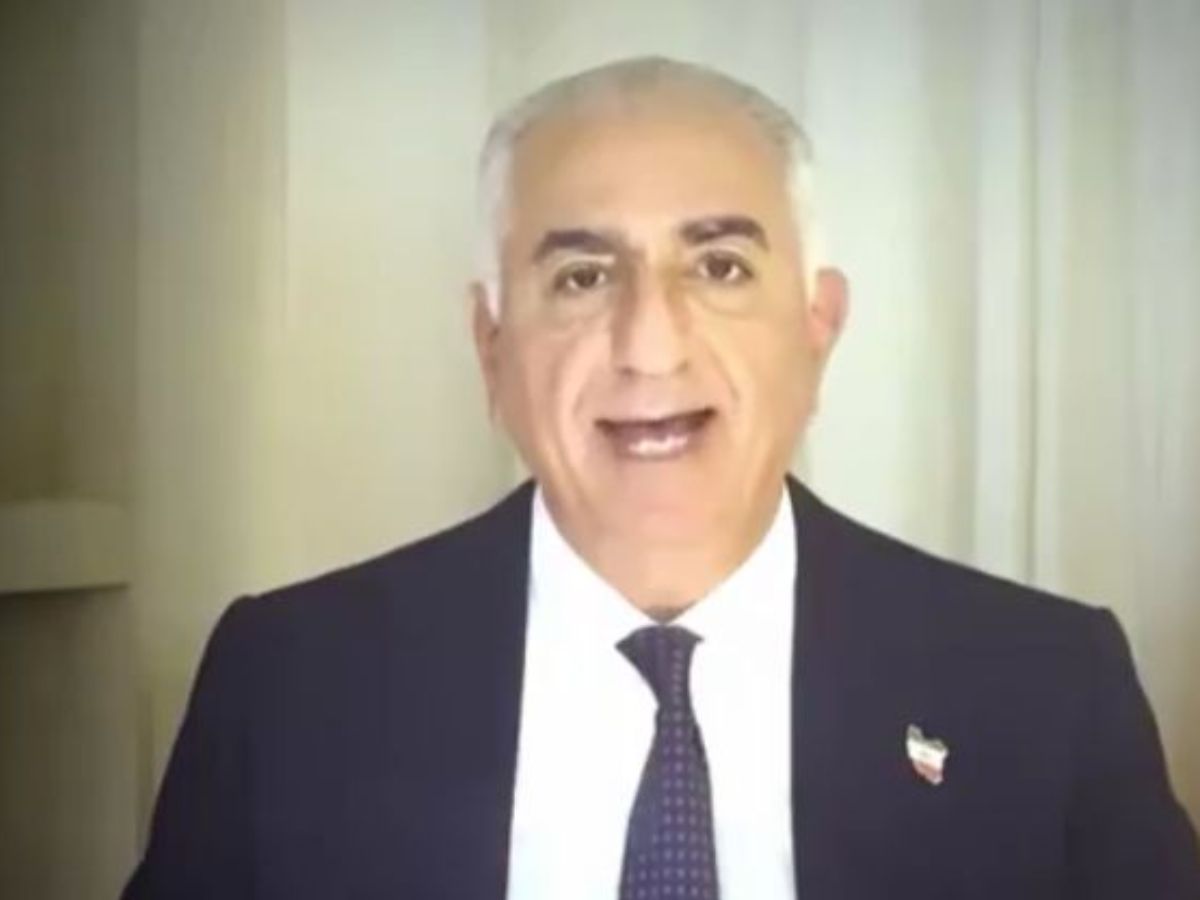

Reza Pahlavi, exiled Iranian prince, and the son of Iran’s last king have made an open call for mass protests as demonstrations have spread throughout the country. In a post on social media, Pahlavi asked the protesters to ‘take control of the cities’ and to do so with the government force by taking the demonstrations to be throughout the whole country and not just local ones. He wants the demonstrations to get even bigger and make the government give in. This appeal is being made during one of the longest protests in years that has attracted a lot of people in big cities as well as small towns, thus continuing the struggle between the government and the people that has been going on for some time now because of the bad economy and the election which people are not happy about.
Reza Pahlavi’s Call
The protests that are happening right now, which were initially sparked by economic problems such as inflation and currency devaluation, have eventually become even more significant and widespread political expressions of dissatisfaction with the government, with the protestors being very open about their disagreement with and the policies of the government in power. Despite the Iranian government cutting off the internet and phone services throughout the country in an effort to prevent the organization of protestors, the footage and various reports have indicated that millions of people took part in the demonstrations in Tehran, Mashhad, Qom, and other major cities. The security forces have reacted with violence, and human rights organizations put the number of casualties and arrests at thousands, which indicates the seriousness and extent of the unrest.
هممیهنان عزیزم،
شما با شجاعت و ایستادگی خود، تحسین جهانیان را برانگیختهاید. حضور دگرباره و پرشکوهتان در خیابانهای سراسر ایران در شامگاه جمعه، پاسخی دندانشکن به تهدیدهای رهبر خائن و جنایتکار جمهوری اسلامی بود. یقین دارم که او این تصاویر را از مخفیگاهش دیده و از وحشت لرزیده… pic.twitter.com/MaQDiwkXRL
— Reza Pahlavi (@PahlaviReza) January 10, 2026
Iran Protests
By advocating for the mobilization of the masses, Pahlavi has made a very important intervention in the direction of the movement, as he views the protests not merely as demands for economic reforms but as a united challenge to the existing political regime. His participation has been received with mixed feelings, while some commentators view him as a potential leader in the making, others see him as an irrelevant outsider with no influence on the domestic situation, but his words have definitely fanned the flames of already burning protests. The slogans on the streets are a reflection of his call, as people are chanting and altering the slogans that link both the idea of a new regime and the issue of Iran’s long and contentious political heritage.




