
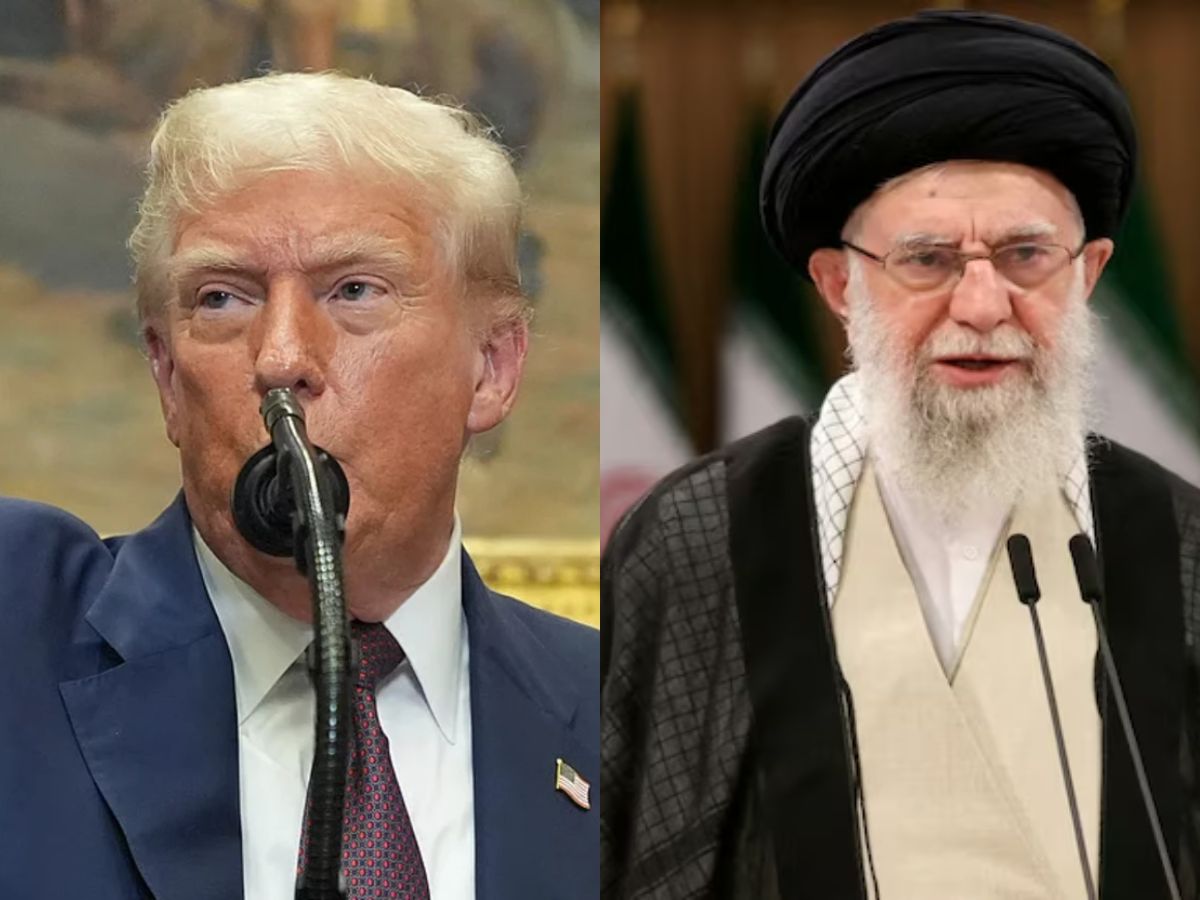

US Secretary of State Marco Rubio has said President Donald Trump remains open to direct talks with Iran’s Supreme Leader Ayatollah Ali Khamenei, even as tensions between Washington and Tehran continue to escalate.
His remarks come amid reports of the United States deploying a second aircraft carrier to the Middle East, signalling a stronger military posture in the region.
‘Meeting Is Not A Concession’
In an interview with Bloomberg, Rubio stressed that Trump sees direct engagement as a practical diplomatic tool rather than a sign of weakness.
“I serve under a President that’s willing to meet with anybody,” Rubio said, adding that Trump would agree to a meeting with the Ayatollah if requested. He clarified that such engagement would not imply agreement but would reflect the President’s belief that dialogue is essential to resolving global disputes.
Rubio maintained that Trump prefers negotiations over prolonged confrontation. “The President would always prefer to end problems with a deal,” he said.
Military Posture Aimed At Deterrence
While emphasising diplomacy, Rubio defended Washington’s decision to bolster its military presence in the Middle East. He said the move is intended to deter potential Iranian attacks on US personnel and facilities.
The US, he reiterated, will not allow Iran to acquire nuclear weapons, calling it a serious threat to both regional and global security.
According to Rubio, upcoming diplomatic engagements could involve senior US representatives, including envoy Steve Witkoff and Jared Kushner.
China, Allies, And Global Diplomacy
Rubio also dismissed speculation that key US allies are drifting toward China following high-profile visits to Beijing by leaders such as UK Prime Minister Keir Starmer and other Western counterparts.
He argued that dialogue among major global powers is both normal and necessary to avoid unnecessary conflict. Rubio noted that Trump has previously met Chinese President Xi Jinping and is planning a visit to Beijing, underscoring Washington’s continued engagement on multiple diplomatic fronts.
Despite rising regional tensions, Rubio’s comments suggest that the US administration is keeping diplomatic channels open, even as it reinforces its strategic deterrence in the Middle East.




