
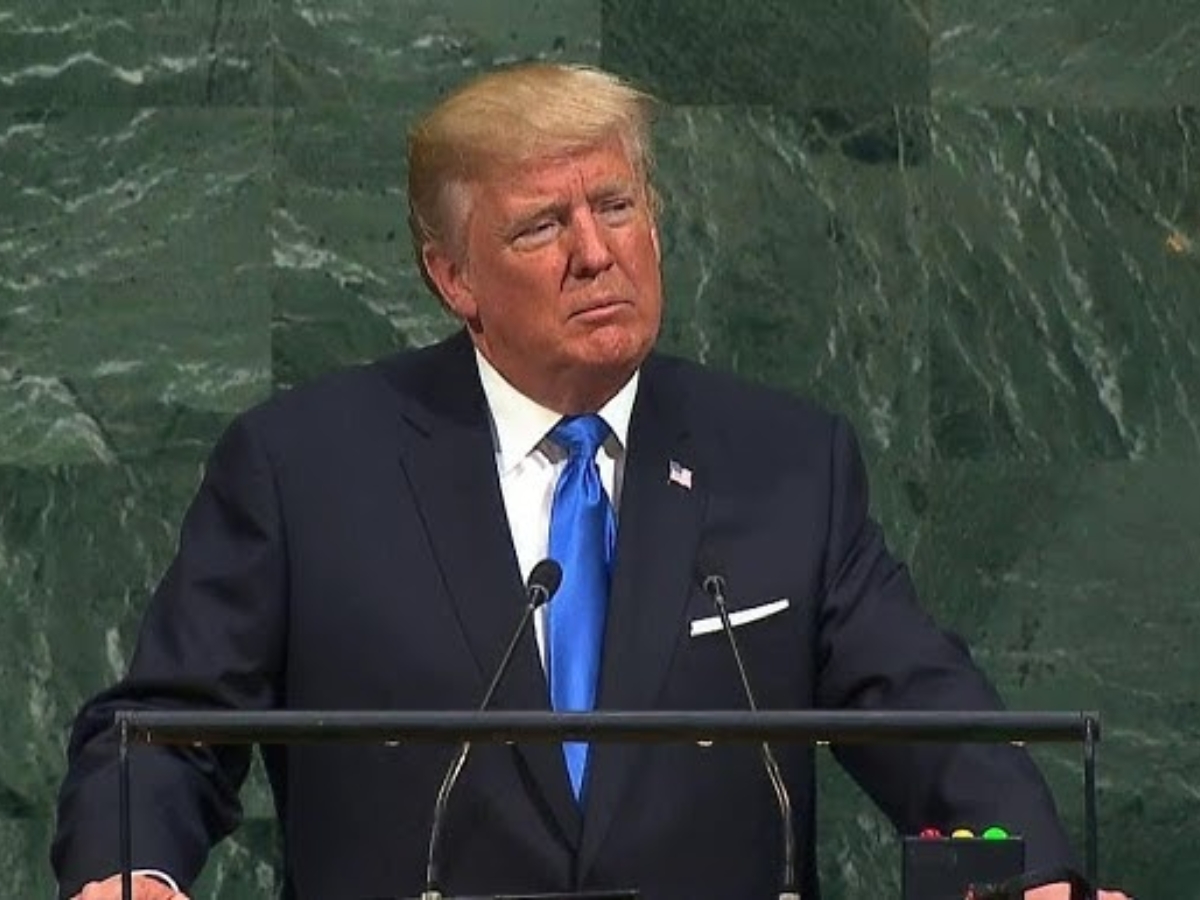

President Donald Trump signed a presidential memorandum instructing the United States to withdraw from 66 international organizations and treaties, including the United Nations Framework Convention on Climate Change (UNFCCC) and the Intergovernmental Panel on Climate Change (IPCC).
The US, the world’s largest historical greenhouse gas emitter, will now fully exit the global climate change mitigation framework and related scientific assessments. The decision also effectively ends America’s participation in providing climate finance to developing countries for energy transition, mitigation, and adaptation.
What Donald Trump’s Decision To Withdraw From International Organizations And Treaties Means
Rachel Cleetus, policy director and lead economist for the Climate and Energy Program at the Union of Concerned Scientists (UCS), strongly criticized the withdrawal. She said:
“President Trump’s withdrawal of the United States from the bedrock global treaty to tackle climate change is a new low and yet another sign that this authoritarian, anti-science administration is determined to sacrifice people’s well-being and destabilize global cooperation. Forward-looking U.S. states and the rest of the world recognize that devastating and costly climate impacts are mounting rapidly, and collective global action remains the only viable path to secure a livable future for our children and grandchildren.”
Cleetus added that the administration’s stance, “…remains cruelly indifferent to the unassailable facts on climate while pandering to fossil fuel polluters. Its shameless lies about the scientific realities of climate change, as well as attacks on climate and clean energy policies and federal agencies, are deeply harmful to the interests of people in the United States.”
David Widawsky, Director of the World Resources Institute (WRI) in the U.S., also weighed in, calling the move a strategic blunder, “Pulling out of the UN Framework Convention on Climate Change gives away American advantage for nothing in return. The 30-year-old agreement is the foundation of international climate cooperation. Walking away doesn’t just put America on the sidelines — it takes the U.S. out of the arena entirely. American communities and businesses will lose economic ground as other countries capture the jobs, wealth, and trade created by the booming clean-energy economy.”
Despite the US withdrawal, Widawsky emphasized that global climate diplomacy will continue, “Other nations understand the UNFCCC’s irreplaceable role in driving cooperation and advancing climate solutions the world urgently needs. When countries work together on climate, it saves lives, creates jobs, strengthens economic stability, and builds a more prosperous future.”
History Of US Withdrawals Under Donald Trump
According to the latest data from 2022, China is the world’s largest CO2 emitter, followed by the United States, India, Russia, and Japan. However, the U.S. leads among the top 10 emitters in per capita emissions, producing double the emissions per person compared to China and eight times those of India, the WRI reported.
While the Trump administration has already submitted its letter of intent to leave the Paris Agreement for a second time, the U.S. has never before formally withdrawn from the UNFCCC. Every nation in the world is party to the UNFCCC, which was adopted over three decades ago and maintained by both Democratic and Republican administrations in the U.S.
The UCS noted that this withdrawal is part of a broader pattern of actions by the Trump administration aimed at undermining global agreements and international law, citing recent interventions, including the illegal invasion of Venezuela, as examples of its approach to bypassing established global frameworks.
(With inputs from agencies)
Also Read: Ukraine Hails US Seizure of Russian Tanker in North Atlantic as Strategic Blow to Moscow
Zubair Amin is a Senior Journalist at NewsX with over seven years of experience in reporting and editorial work. He has written for leading national and international publications, including Foreign Policy Magazine, Al Jazeera, The Economic Times, The Indian Express, The Wire, Article 14, Mongabay, News9, among others. His primary focus is on international affairs, with a strong interest in US politics and policy. He also writes on West Asia, Indian polity, and constitutional issues. Zubair tweets at zubaiyr.amin




