
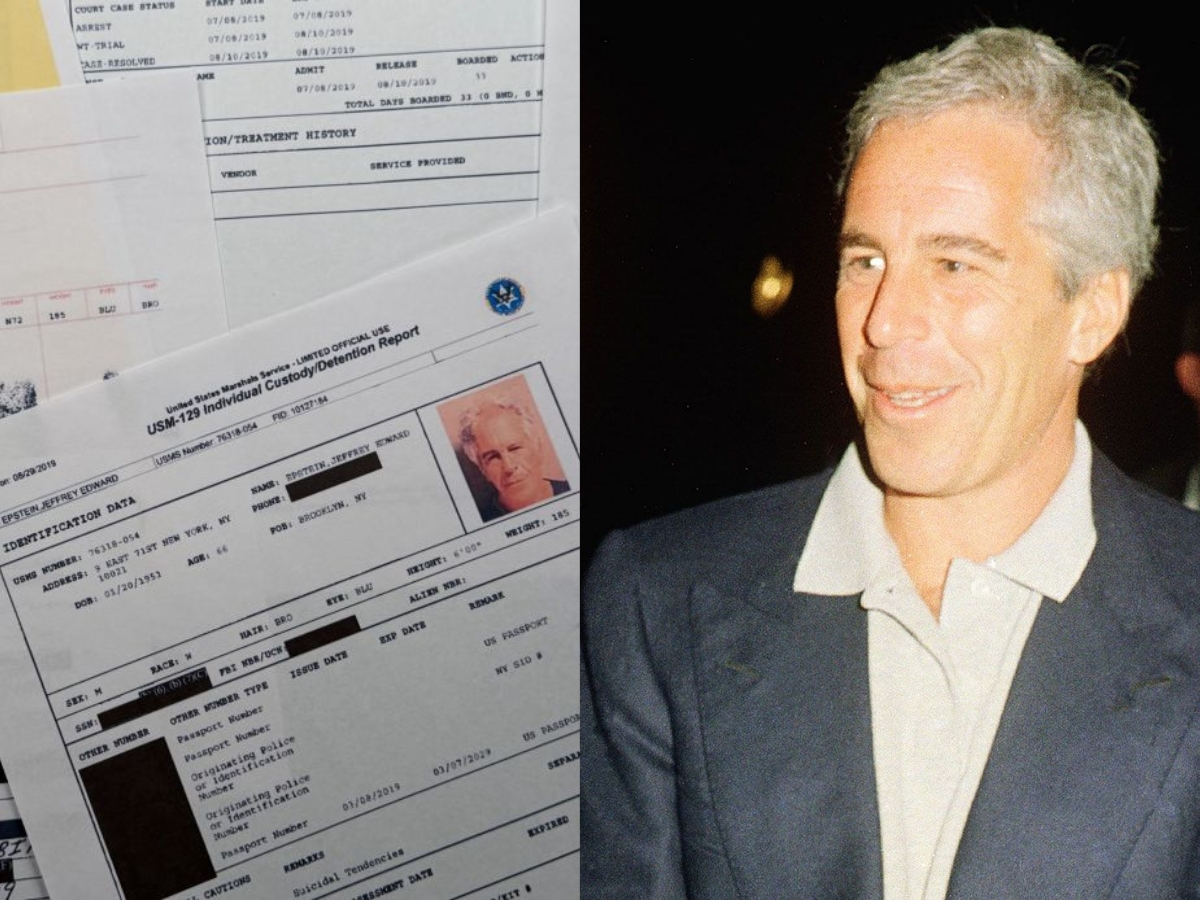

The release of the Jeffrey Epstein files has reignited public outrage in the United States, driven by long-standing suspicions that some of the world’s most powerful individuals escaped accountability for serious crimes. That anger, along with its political consequences, ultimately pushed the US Congress to act, resulting in a historic decision to make federal records related to Epstein public.
Yet as documents have begun to surface, extensive redactions have raised fresh questions about transparency, accountability, and who ultimately decides what the public gets to see.
Why Is US Releasing Epstein Files?
For years, many Americans have believed that the full truth about Epstein’s crimes, and the people connected to them, was being deliberately withheld. The perception that wealthy and influential figures may have acted with impunity has fuelled widespread distrust in government institutions.
This growing fury was the primary reason Congress voted in November 2025 to mandate the release of the Epstein files. Lawmakers acknowledged that public confidence had eroded to a point where continued secrecy was politically and institutionally untenable.
Also Read: Epstein Files PDF: How To Find Names And Download Nude Photos Of People In One Click
Epstein Files: What the Public Is Seeing and What Is Missing
While several documents have now been released, many pages are heavily redacted. Black bars obscure names, email addresses, photographs, and other identifying details.
In some cases, the reasons for redaction are obvious and legally justified. In others, no clear explanation is provided.
You can download the full Epstein PDF file from https://www.justice.gov/
How US Law Governs the Release of Government Files
The framework governing document disclosure has its roots in the post-Watergate era, when public confidence in government integrity was severely damaged. In response, Congress passed landmark legislation designed to ensure greater public access to federal records.
These laws apply to agencies such as the FBI and the Department of Justice, both of which have overseen investigations related to Epstein. However, transparency laws have always been balanced against statutes that restrict what can legally be released.
One of the most significant constraints is the Privacy Act of 1974. The law was enacted to prevent private individuals, who are not public figures, from having their names disclosed in government documents in ways that could unfairly damage their reputations.
In the context of the Epstein files, this means that large portions of information have been blacked out, often appropriately, to comply with privacy protections.
The Epstein Files And The US Transparency Act
The documents are being released under the Epstein Files Transparency Act, legislation signed into law by President Donald Trump in November. The move followed sustained pressure from Trump’s political base, which had repeatedly demanded that the files be made public, key campaign promise.
Initially, Trump resisted calls for disclosure. However, as pressure mounted from his supporters and from within the Republican Party itself, he reversed course and urged GOP lawmakers to support full public scrutiny of the Epstein investigations.
Both chambers of Congress approved the measure, compelling the Justice Department to release the files. Trump signed the legislation into law later that month.
Epstein Files: What the Transparency Act Requires ,and What It Forbids
Under the act, Attorney General Pam Bondi is required to make public documents held by the FBI and US Attorneys’ Offices related to:
Jeffrey Epstein
His associate Ghislaine Maxwell
Flight logs
Individuals connected to Epstein’s criminal activities
Internal Department of Justice communications regarding investigative decisions
The legislation explicitly bars agencies from withholding documents due to “embarrassment, reputational harm, or political sensitivity.”
At the same time, it allows limited redactions to protect victims’ privacy, classified national security information, and details tied to active investigations. Bondi is also required to submit a report to Congress within 15 days of completing the process, detailing which documents were released and which were withheld.
Zubair Amin is a Senior Journalist at NewsX with over seven years of experience in reporting and editorial work. He has written for leading national and international publications, including Foreign Policy Magazine, Al Jazeera, The Economic Times, The Indian Express, The Wire, Article 14, Mongabay, News9, among others. His primary focus is on international affairs, with a strong interest in US politics and policy. He also writes on West Asia, Indian polity, and constitutional issues. Zubair tweets at zubaiyr.amin




