
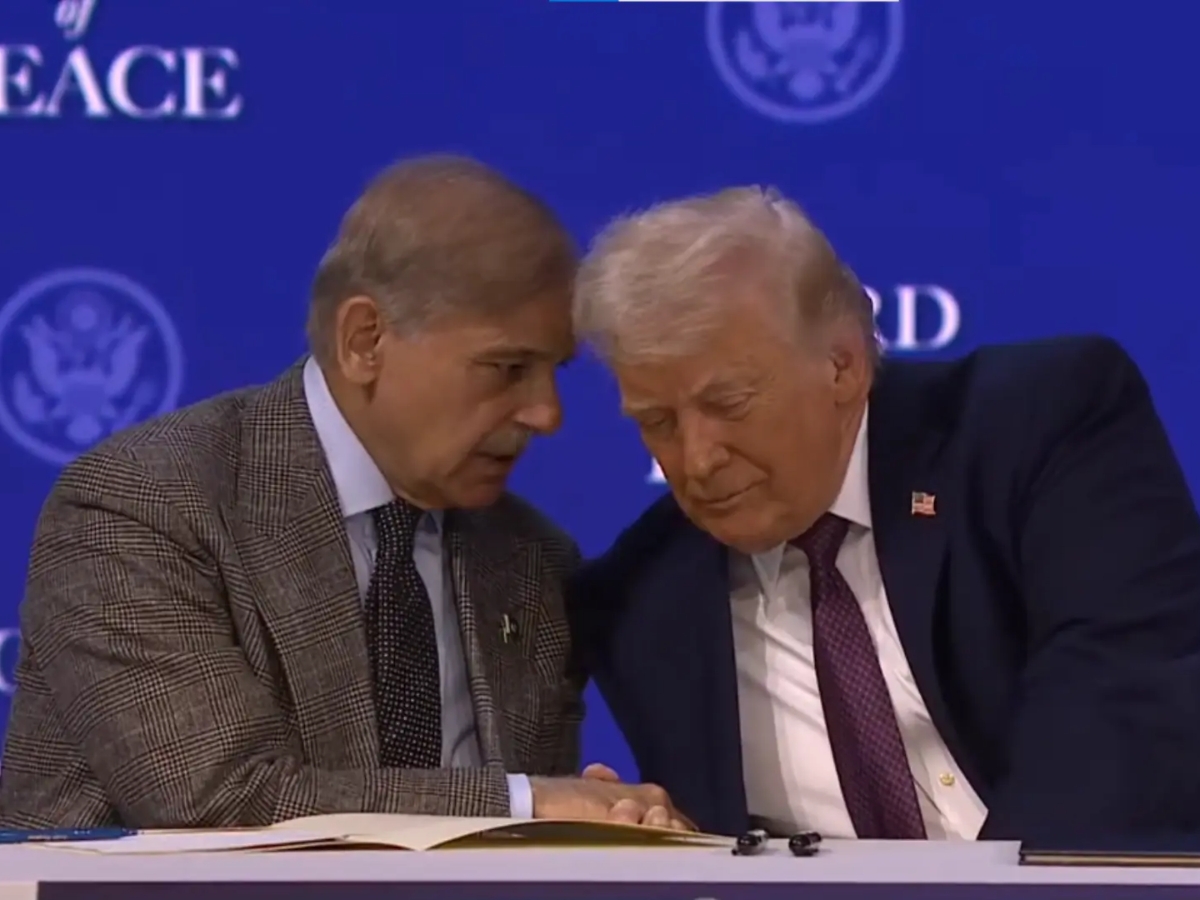

Pakistan has rolled out sweeping austerity measures as fears of a fuel crisis grow amid escalating tensions in the Middle East. Prime Minister Shehbaz Sharif on Monday announced a series of cost-cutting steps, including salary reductions for government officials, grounding a majority of government vehicles, and suspending most foreign travel.
The move comes as global oil prices surge following the ongoing conflict involving the United States, Israel, and Iran, raising concerns about fuel supply disruptions across the region.
Pakistan Introduces Austerity Measures to Save Fuel
In a televised message, Sharif said the government had decided to implement immediate measures to reduce fuel consumption and limit public spending.
The government will cut fuel use by 50% for vehicles used by government departments for the next two months, although ambulances and public transport buses will be exempt from the restriction.
The prime minister also confirmed that 60% of all government vehicles will be grounded during this period as part of the effort to conserve fuel and reduce operational costs.
“These are difficult decisions but necessary to prevent the situation from worsening,” Sharif said, adding that the government is closely monitoring global energy prices and taking steps to minimise the burden on the public.
Salary Cuts for Ministers, MPs and Senior Officials
The austerity plan includes significant salary reductions for political leaders and senior officials. According to Sharif:Cabinet members, ministers, advisers and special assistants will forgo their salaries for two months.Members of Parliament will face a 25% salary cut. Senior government officers in Grade 20 and above earning more than Rs 300,000 will have two days’ salary deducted, which will be used for public relief initiatives.
Additionally, the government will impose a 20% reduction in operational expenses across departments, excluding salaries.
Ban on Foreign Trips and Government Procurement
As part of the austerity drive, the government has banned most official foreign travel by federal and provincial ministers, advisers and senior officials. The restriction will also apply to top leadership, including the prime minister, chief ministers and provincial governors, unless travel is deemed essential in the national interest.
The government has also announced a complete ban on the procurement of new vehicles, furniture, air conditioners and other equipment in government departments in order to curb spending.
Sharif said online meetings will be prioritised to avoid unnecessary travel and fuel consumption.
Schools to Remain Closed for Two Weeks
In another key measure, the prime minister announced that schools across Pakistan will remain closed for two weeks. The government plans to shift lessons online after the break.
Meanwhile, government offices will operate on a four-day workweek, with half of the staff required to work from home to reduce commuting and energy use.
Oil Price Surge Triggers Fuel Concerns
Pakistan’s austerity measures come as global oil prices have surged above $100 per barrel for the first time since the 2022 Russia-Ukraine conflict. The spike follows retaliatory strikes by Iran on Gulf energy infrastructure during the escalating regional conflict.
The country, which relies heavily on oil and gas imports from Gulf nations, has already felt the economic impact. According to reports, the government recently raised petrol and high-speed diesel prices by Rs55 per litre, the biggest increase in the country’s history.
The sharp hike has triggered long queues at petrol stations as motorists rush to secure fuel amid fears of further price increases or supply disruptions.
Government Warns Energy Crisis Could Worsen
Sharif described the current situation as a serious challenge, warning that the energy crisis could become the next major economic hurdle for Pakistan.
“The government is fully aware of fluctuations in international oil prices and is taking steps to provide maximum relief to the people,” he said.
However, he cautioned that further global price shocks could worsen the crisis, particularly for a country where a large portion of the population already struggles with rising inflation and poverty.
Security Alert Amid Rising Regional Tensions
Amid the escalating conflict in the region, the United States Embassy in Islamabad issued a security advisory stating it is monitoring large-scale religious processions planned across Pakistan.
The embassy said that starting March 10, movement of US personnel would be restricted as a precautionary measure.
Meanwhile, Abbas Araghchi stated that Iran does not seek to harm ordinary Americans and blamed Israel and its allies in Washington for the economic consequences of the war.
Pakistan Braces for Economic Fallout
With oil prices rising and geopolitical tensions intensifying, Pakistan’s government hopes the austerity measures will stabilise fuel consumption and prevent further economic strain.
However, analysts warn that continued instability in the Middle East could deepen Pakistan’s energy challenges, making fuel conservation and fiscal discipline critical in the coming months.
Sofia Babu Chacko is a journalist with over five years of experience covering Indian politics, crime, human rights, gender issues, and stories about marginalized communities. She believes that every voice matters, and journalism has a vital role to play in amplifying those voices. Sofia is committed to creating impact and shedding light on stories that truly matter. Beyond her work in the newsroom, she is also a music enthusiast who enjoys singing.




