
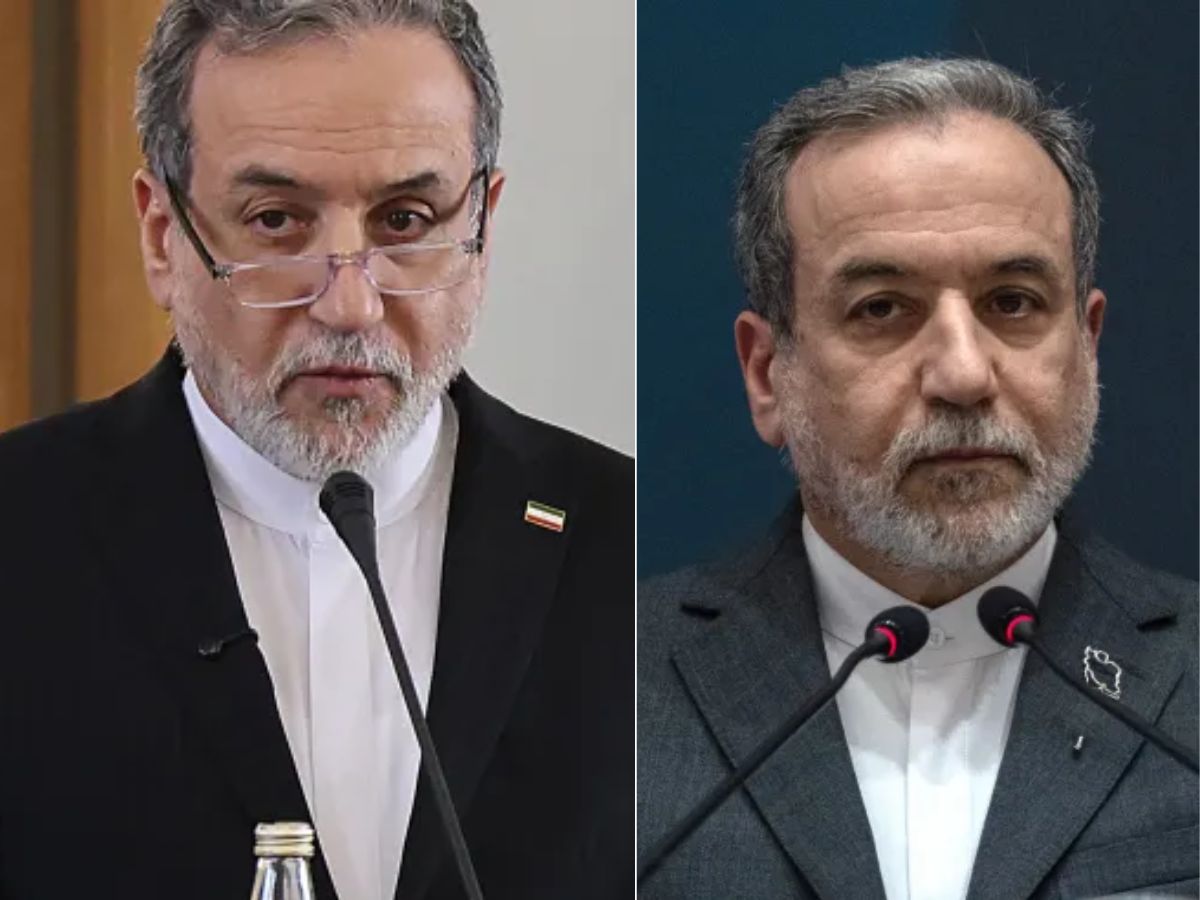

The Middle East reached its most dangerous moment this week when Tehran issued an unambiguous warning to the White House.
Iranian Foreign Minister Abbas Araghchi declared that President Donald Trump’s military strike order would result in immediate attacks against U.S. military sites throughout the region.
The situation escalated after the Muscat nuclear negotiations collapsed because both sides refused to compromise on uranium enrichment and ballistic missile program issues.
Iran has changed its approach from using proxy warfare to attacking American military bases that are located in nearby countries while the U.S. continues its “maximum pressure” campaign through new maritime sanctions and carrier deployments.
Defensive Deterrence
The Iranian government has announced its upcoming retaliation plans as a defense measure to protect its borders and conduct military operations against the United States from its regional bases.
Tehran intends to establish a “deterrence zone” through its close distance to American military installations in Qatar and Bahrain, which enables the country to target regional military bases.
Foreign Minister Araghchi explained that these attacks would identify monitoring targets according to their operational functions, which would allow him to maintain control over American military assets through his diplomatic activities with the region’s countries.
The current military strategy, which supports their operational activities, consists of recent battles and the incident where Iranian forces shot down a Shahed-139 drone close to the USS Abraham Lincoln because the Islamic Revolutionary Guard Corps tests American maritime engagement regulations through their actions in international waters.
Economic Escalation
The military display has been accompanied by an escalation, which brought the conflict into an unstable period that now involves both trade battles and economic sanctions.
President Trump has expanded the conflict through his executive order, which targets nations that maintain trade relations with Iran by implementing secondary tariffs. The “maximum pressure” 2.0 strategy intends to destroy Tehran’s final oil income through sanctions that target the “shadow fleet” of shipping companies that handle exports to international markets.
The Iranian government has maintained its nuclear “inalienable rights” after the U.S. Treasury imposed stricter controls on Iran’s maritime trade, which includes both uranium stockpiles and enrichment activities.
The Persian Gulf area has turned into a dangerous zone, which enables both economic pressure and nuclear defiance to create a situation where any mistake can lead to a large-scale multi-front conflict.
Also Read: Iran’s FM Calls Talks With US A ‘Good Beginning’, Signals Diplomatic Path Ahead Amid Global Watch
A recent media graduate, Bhumi Vashisht is currently making a significant contribution as a committed content writer. She brings new ideas to the media sector and is an expert at creating strategic content and captivating tales, having working in the field from past four months.




