

The war between Israel and Iran is now in its sixth day, and tensions in the Middle East are only getting worse. Airstrikes, missile attacks, and political warnings are coming in fast from both sides. While Iran’s Supreme Leader Ayatollah Ali Khamenei declared “the battle has begun,” former U.S. President Donald Trump gave Iran a strong warning of his own.
So what’s really going on behind the scenes? And what does it mean for the region?
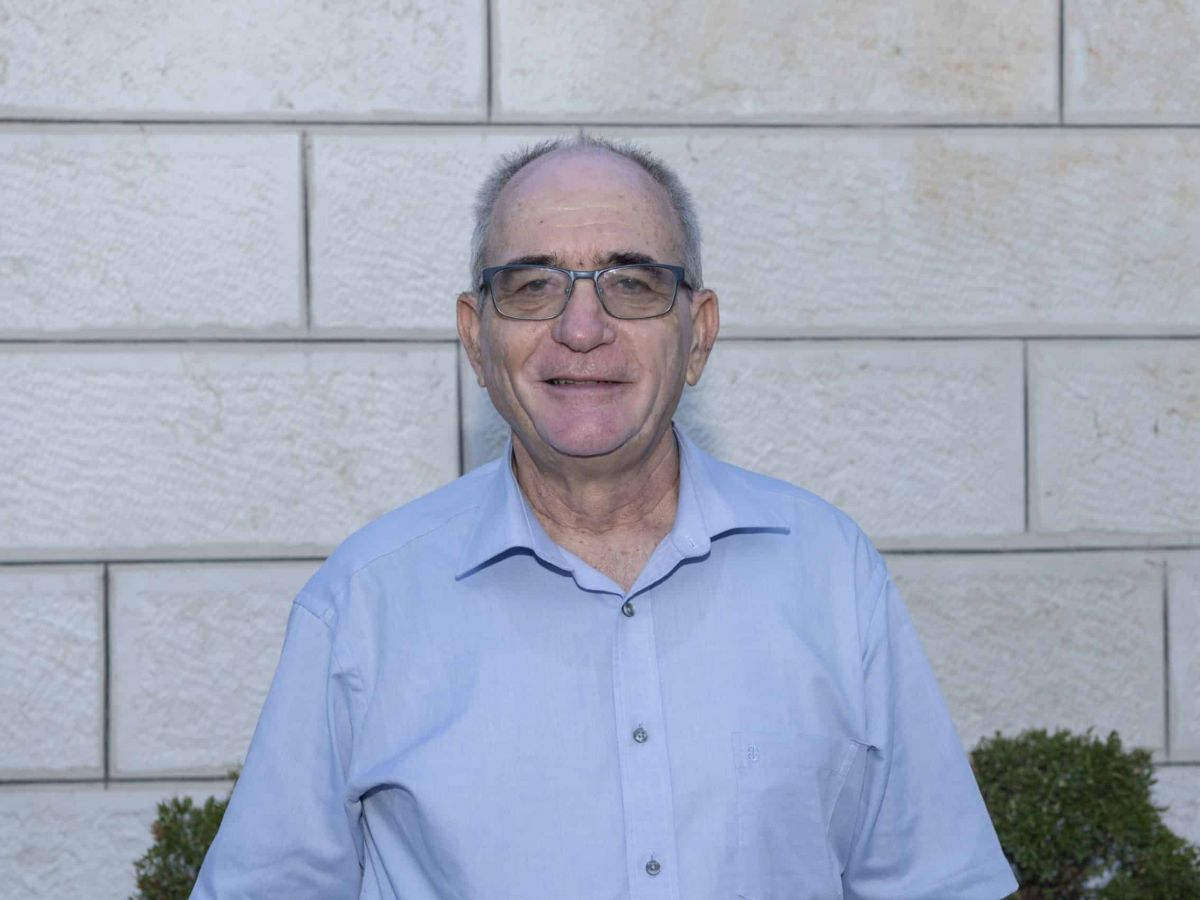
NewsX spoke with Yossi Kuperwasser, a top Israeli intelligence and security expert, for some insight. He joined the broadcast live from Tel Aviv to talk about the current situation and what might happen next.
“We’re Okay for Now, But Nights Are Rough”
When asked how things were in Tel Aviv, Kuperwasser said things were calm for the moment—but that could change quickly.
“Well, right now it’s calm, everything is all right,” he said. But the nights? Not so much.
“You can’t really sleep well because in the middle of the night there are all kinds of sirens going on and you have to move to the shelter.”
He added that while time in bunkers hasn’t been too long, the constant interruptions have made it hard to get proper rest.
Missile Attacks: Damage on the Ground
Iran has launched Fateh-1 missiles aimed at Israeli cities like Tel Aviv. Israel’s defense systems are stopping most of them—but not all.
“Most of the incoming missiles are intercepted on the way and they do little damage,” Kuperwasser explained. “But these are huge missiles, so even a sharpener can cause a fire or serious damage.”
He confirmed that over 20 people have died in Israel due to these attacks, and many more have been hurt.
“The damage is really devastating in those places, mainly civilian places that were hit by those missiles.”
What Israel Is Targeting in Iran
Israel has been launching its own strikes deep into Iran, focusing mainly on nuclear facilities and weapons factories.
Kuperwasser explained that this operation isn’t about hurting Iranian civilians, but about stopping a serious threat.
“We are going to, in a couple of days, finish the job of hitting the targets of the nuclear project in Iran,” he said.
But it won’t be easy. One of the biggest challenges is a nuclear facility buried 60 to 80 meters deep inside a mountain in Fordow.
“This is going to take some time… there’s a possibility that the United States will intervene. They have a special bomb that was made for this kind of site.”
Could the U.S. Step In?
With Trump’s recent warning to Iran, the question on everyone’s mind is: will the U.S. get directly involved?
“It seems that the inclination of President Trump is to get involved and at least take care of the Fordow facility if necessary,” Kuperwasser said.
But so far, Iran doesn’t seem willing to agree to any American terms.
“They were not ready to accept this same proposal before the war… and even though they lost so many of their nuclear facilities, they still don’t show any readiness to show flexibility.”
How Much Damage Has Been Done?
While Israel has claimed big wins in hitting Iran’s nuclear program, Kuperwasser said it’s tough to tell just how much damage has actually been done.
“We see that the targets were hit… but to what extent the damage is substantial or not, it’s very difficult to see just from the photos.”
He did say that attacks on certain sites—like the Natanz enrichment facility—have likely caused serious disruptions, including power outages that ruined some centrifuges.
“We also hit the centrifuge production facilities,” he added. “But I don’t know exactly how much damage was done over there.”
Strong Support at Home
Back in Israel, Kuperwasser said people are largely united behind the government’s decision to take strong action against Iran.
“Yes, I think the government on this issue gets very wide support from the population here in Israel,” he said.
Even opposition parties are backing Prime Minister Benjamin Netanyahu and the military on this. “There’s no dispute on this issue in Israel… it’s one on which we all agree.”
What World Leaders Are Saying
The global reaction has been mixed—but many major powers are backing Israel’s right to defend itself.
“The international community understands why Israel does what it does,” Kuperwasser said. “The Americans support it, but also the rest of the G7 in a way show understanding.”
He said Israel isn’t rushing anything and will continue to work methodically until the nuclear and missile threats from Iran are taken out.
“Since we have air superiority over most of Iran, we have enough time to work systematically and take care of the remaining facilities,” he said.
Will Peace Come?
Despite the bombs and threats, Kuperwasser made it clear that Israel would prefer things to calm down—if Iran gives up its nuclear plans.
“We are all for de-escalation once the Iranians don’t have the capability to produce nuclear weapons,” he said.
Until then, the strikes will likely continue—and the world will keep watching, hoping the war doesn’t grow into something even bigger.
Also Read: Operation Rising Lion: Which Iranian Nuclear Sites Did Israel Target And Why?




