
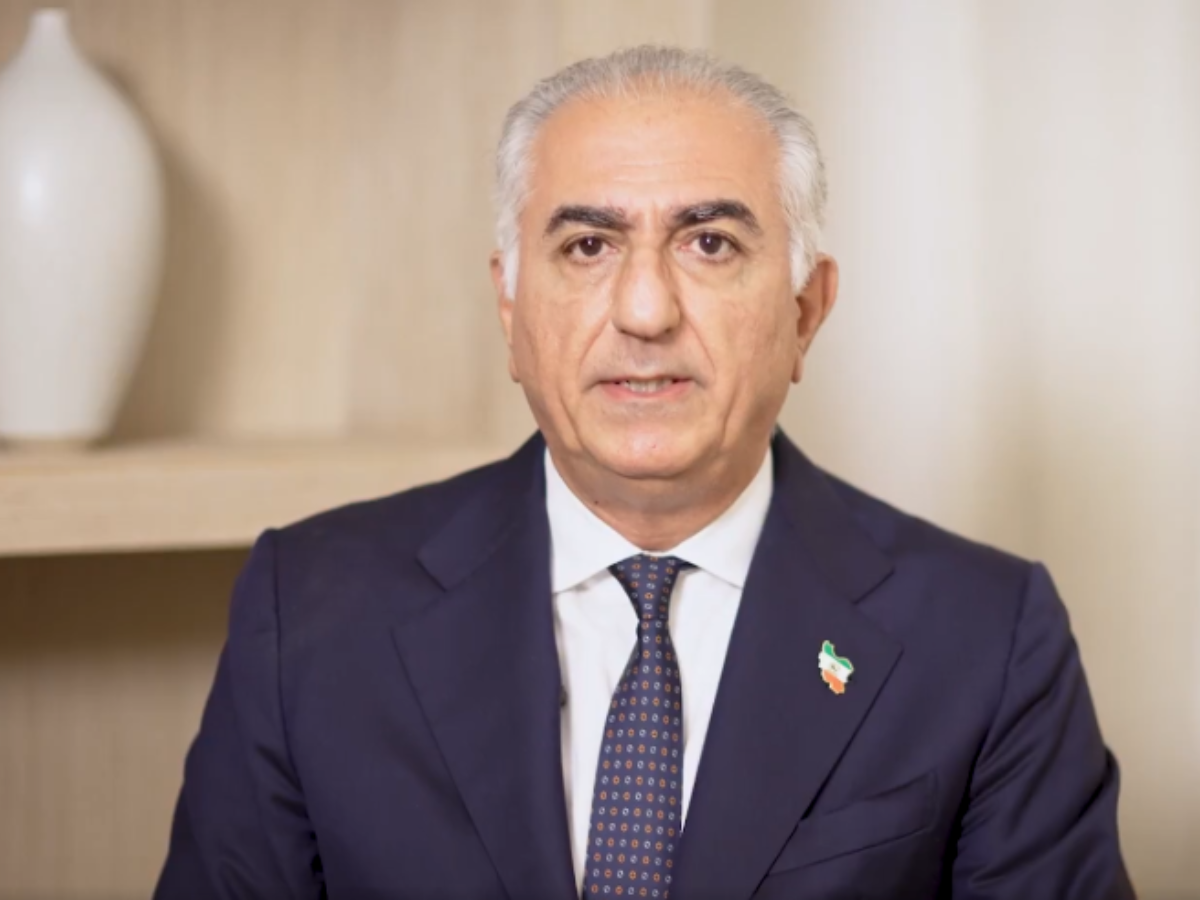

Iran has recently been in the news because of the anti-Islamic regime protests. Now the widespread protests threaten the rule of Supreme Leader Ayatollah Ali Khamenei. Iranian people have taken the streets since late December 2025. According to reports, the protests turned deadly as more than 65 have been killed so far and more than 2300 have been reported as injured. The protests have spread over all 31 provinces of the country. One question has repeatedly been asked during this whole time, which is, will the monarch Reza Pahlavi return to the country.
The Islamic regime has cut off all communications across the country to curb the protests. However, protestors are still in the streets, voicing their deep concern with clerical rule and the country’s economic collapse. As per reports, in many areas, crowds have been heard chanting slogans such as “Death to the dictator”, “This is the final battle, Pahlavi will return” and “Long live the Shah”, which is a clear signal that parts of the opposition now look beyond economic grievances and towards political change.
Reza Pahlavi Returns?
A central figure in the unrest is Reza Pahlavi, the exiled son of Iran’s last monarch. According to reports, Pahlavi has emerged as a prominent voice supporting the protests and has urged Iranians to escalate their efforts. In a video message, he declared, “Our goal is no longer just to take to the streets. The goal is to prepare to seize and hold city centres,” and added that he was also “preparing to return to my homeland” in what he believes is a very near future.
Pahlavi’s calls for action have coincided with the regime’s effort to cut off internet and phone services nationwide, a move seen as aimed at reducing the coverage of the protests. Human rights groups have confirmed the blackout has drastically reduced connectivity, leaving large parts of the country offline as unrest intensifies.
Trump denied to meet Reza Pahlavi
In response to the protests and Pahlavi’s rising importance, international attention has also grown. U.S. President Donald Trump has publicly warned Iran’s leadership not to use lethal force against demonstrators, saying: “Iran’s in big trouble… You better not start shooting because we’ll start shooting too.” At the same time, Trump has declined to formally meet Pahlavi or commit to backing him as a successor.
Meanwhile, Ayatollah Ali Khamenei has sought to frame the unrest as influenced by foreign interference. He has accused demonstrators of acting to “please” outside powers such as the U.S., dismissing protesters as seeking to win favour with Washington and warning that tyrants throughout history fall at the height of their power, a message aimed at both domestic and international audiences.




