
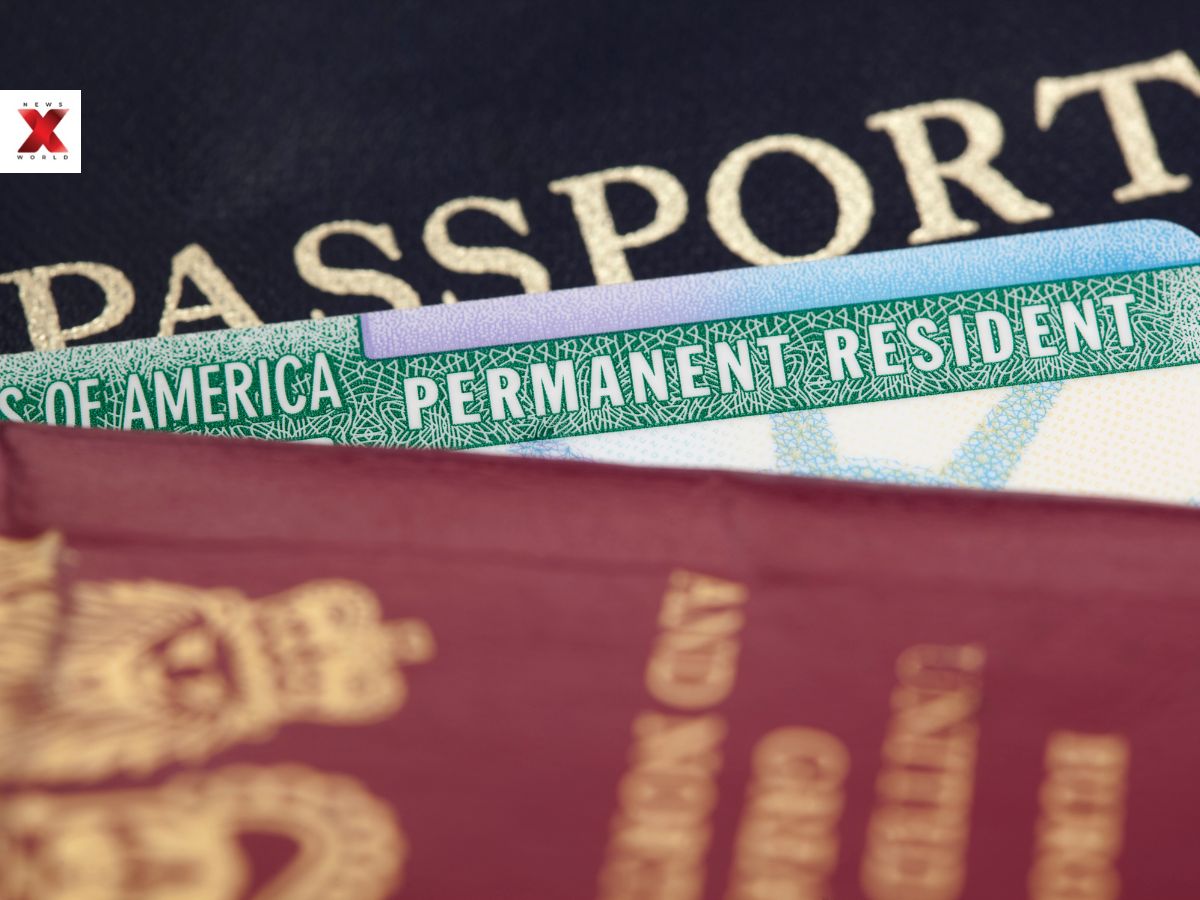

A Green Card, formally known as a Permanent Resident Card, allows a foreign national to live and work in the United States on a permanent basis. While marriage to a US citizen has traditionally been one of the pathways to obtaining permanent residency, an immigration attorney has pointed out that tying the knot no longer automatically ensures approval for a Green Card.
Individuals who hold Green Cards are officially classified as lawful permanent residents (LPRs). After fulfilling specific eligibility criteria, they may apply for US citizenship. This generally requires maintaining continuous residence in the country for a defined period, usually between one and five years, along with demonstrating good moral character.
Living Apart Can Jeopardise Marriage-Based Green Cards
According to US immigration attorney Brad Bernstein of Spar & Bernstein, applications for marriage-based Green Cards are now being subjected to far stricter scrutiny under the current Trump administration. Authorities, he said, are increasingly focused on establishing whether a marriage is genuine and not solely for immigration purposes, with couples who live separately often facing intensified fraud checks and a higher risk of rejection.
“If spouses do not share a home, then their Green Card case is already going down,” Bernstein warned. “Being in a relationship does not get you a Green Card. Living together gets you a Green Card.”
In a video shared on Facebook, Bernstein explained that immigration officials closely examine whether married couples actually reside together. He added that officers are largely unconcerned about the reasons for living apart, whether due to work, education, finances or convenience. “If you’re not sharing a home every day, immigration authorities will begin questioning the legitimacy of the marriage,” he said. “Once that happens, an investigation follows, and when they show up, they’re often looking for grounds to deny the application. If you want a marriage-based Green Card, you have to live together. Period.”
Why USCIS Can Reject Even Legally Valid Marriages
According to the US Citizenship and Immigration Services (USCIS), a marriage that is legally valid can still be deemed non-bona fide and result in the rejection of a marriage-based application if authorities determine that it was entered into without genuine intent to live together as spouses and was instead aimed at bypassing immigration laws.
Manisha Chauhan is a passionate journalist with 3 years of experience in the media industry, covering everything from trending entertainment buzz and celebrity spotlights to thought-provoking book reviews and practical health tips. Known for blending fresh perspectives with reader-friendly writing, she creates content that informs, entertains, and inspires. When she’s not chasing the next viral story, you’ll find her diving into a good book or exploring new wellness trends.




