
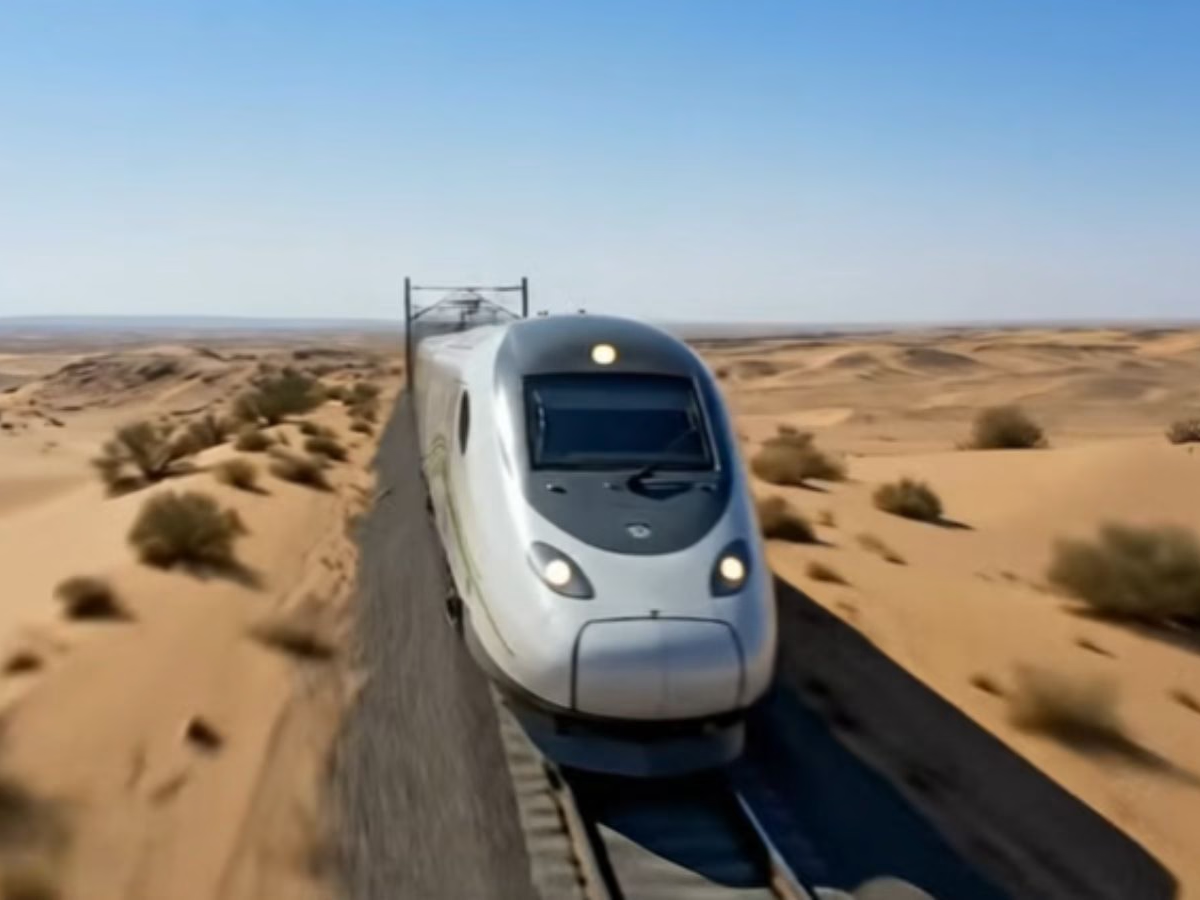

A new bullet train project between Saudi Arabia and Qatar is now officially moving forward. The two Gulf neighbours have agreed to build a high‑speed bullet train that will link their capitals, Riyadh in Saudi Arabia and Doha in Qatar, with a journey that takes just about two hours. The Saudi government’s top council gave the green light to this plan last week.
As per reports, the planned train line will stretch about 785 kilometres and carry passengers at speeds of more than 300 km per hour. At that pace, it will cut the trip from Riyadh to Doha down to a stunning 120 minutes, far faster than driving on the long desert highway.
Bullet train benefits for passengers and the economy
Officials from both countries say this isn’t just about fast travel. In a statement, Qatar’s Ministry of Transport explained why it matters. “The train will cut the travel time between Doha and Riyadh to two hours, something which supports mobility, enhances business and tourism, advances economic growth, and contributes to improving the quality of life,” the ministry said.
Reports say that the rail route is designed to go through several key stops, including Al‑Hofuf and Dammam, and it will link major international airports in both countries, Hamad International Airport in Doha and King Salman International Airport in Riyadh. The idea is to make travel smooth, convenient and connected right from the airport to the city.
Economic impact of the bullet train
Planners expect big demand once the train starts running. Estimates suggest more than 10 million passengers will use the service every year, up and down the line. That’s a huge number of people choosing rail between the two cities. Reports say that the project is expected to create more than 30,000 jobs, both directly and indirectly.
Economically, both governments see this as a major boost. When it’s all done, the project could generate around 115 billion Saudi riyals in combined revenue for both countries’ economies. The Ministry of Transport of Qatar described it as “one of the most strategic projects that support regional development and cement connectivity and integration among the GCC countries,” according to reports.
The plan now is to build the railway over the next six years, using modern high‑quality standards and smart engineering. Officials say this electric high‑speed system will not only move people quickly, but also help reduce carbon emissions compared with air and road travel.




