

The United States struck Iranian coastal surveillance radar sites on Saturday after shooting down four Iranian drones near the Strait of Hormuz, marking the latest escalation in the ongoing conflict between Washington and Tehran. According to the US military, the drones posed an immediate threat to maritime traffic in the region. A US official told Reuters that the four drones were believed to be targeting shipping routes. Following the interceptions, US Central Command (CENTCOM) said it carried out strikes on surveillance facilities in Goruk and on Qeshm Island, both strategically located along the Strait of Hormuz.
Fresh military exchange near Strait of Hormuz
CENTCOM said the radar strikes were intended to prevent further attacks and vowed to continue responding to what it described as “unjustified Iranian aggression” in self defense. The latest action comes as indirect negotiations between the two countries continue, with both sides seeking an interim agreement to halt the three-month-old war.
Iran’s Revolutionary Guard Corps said it had retaliated by launching missiles at US military bases in the region. It also claimed to have fired on four tankers attempting to cross the Strait of Hormuz without its permission. Iran has effectively blocked the strategic waterway, through which nearly one-fifth of the world’s oil supply passed before the conflict erupted.
Regional tensions spread beyond Iran and US
The conflict also spilled into neighboring Gulf states. Kuwaiti state media reported that the country’s air defenses were intercepting missile and drone attacks of undisclosed origin. In Bahrain, warning sirens sounded and residents were advised to seek shelter.
Iran said it had struck US bases in both Kuwait and Bahrain with ballistic missiles. However, the US military said six missiles were intercepted and that a seventh failed to reach its target. Despite repeated military exchanges, diplomatic efforts aimed at ending the conflict have yet to produce a breakthrough.
Talks remain stalled as Trump faces pressure
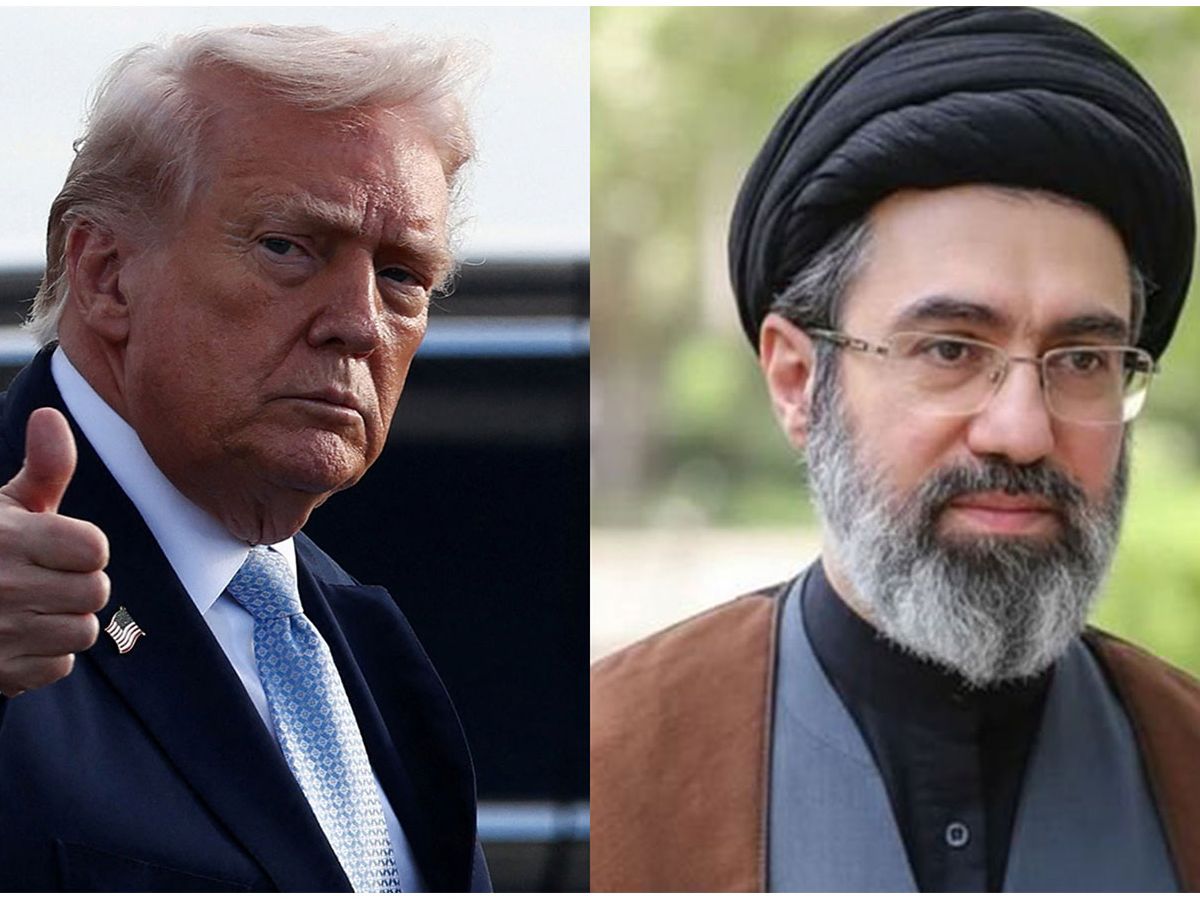
As part of any future agreement, Tehran is seeking access to billions of dollars in oil revenue, sanctions waivers for crude exports, the removal of a US blockade on its ports, and leverage over the Strait of Hormuz. While negotiations have continued indirectly, a deal remains elusive. Meanwhile, US President Donald Trump is facing growing domestic pressure over rising fuel prices and calls to end the war. Speaking to NBC’s “Meet the Press,” Trump said Iran’s military capabilities had been significantly degraded but not eliminated.
“They have some missiles, they have some drones. I would say percentage wise, maybe 21%-22% of their missiles. It’s a lot of missiles, but it’s not what it was when we first attacked,” Trump told NBC News’ “Meet the Press” program, according to excerpts released by the network on Friday.
When asked why Iran’s leaders were still reluctant to agree to a deal, Trump said: “Because they are strong. They’re proud. There are things they never thought they’d be doing that they’re going to have to do, they’ve got no choice, and it takes a little while.”
(with inputs from Reuters)
Also Read: US-Iran News: Explosions Reported On Kharg Island, Country’s Main Oil Export Gateway
Khalid Qasid is a media enthusiast with a strong interest in documentary filmmaking. He holds a Master’s degree in Convergent Journalism from AJK MCRC. He has also written extensively on esports at Sportsdunia. Currently, he covers world and general news at NewsX Digital.





