
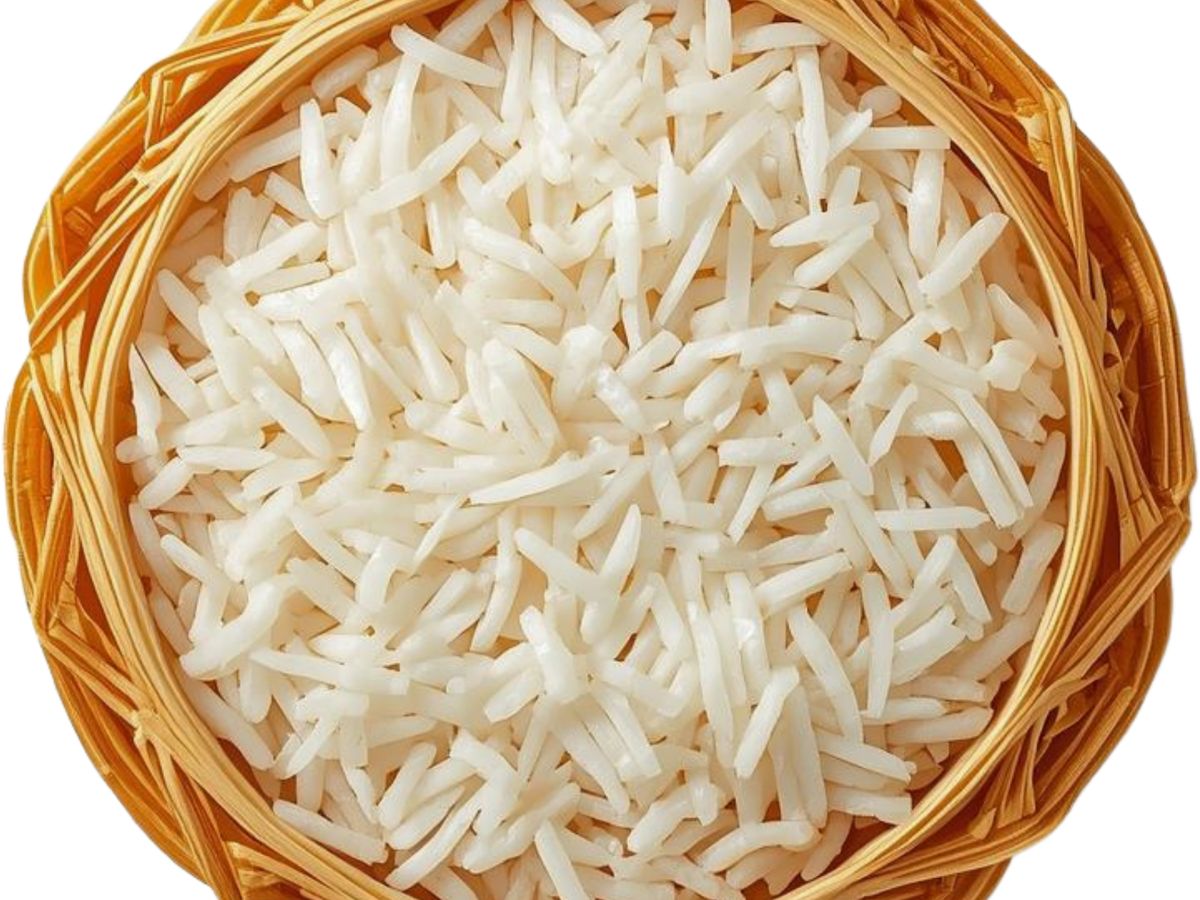

The escalating US-Israel-Iran conflict is sending ripples through global trade, and India’s basmati rice exports are among the hardest hit. Rising uncertainty in West Asia has already begun affecting Indian exporters, particularly in Iran, one of the largest markets for premium basmati rice.
Iran’s Import Market for Basmati Rice Faces Uncertainty
Ajay Bhalotia, Director of Fortune Rice Limited and General Secretary of the All India Rice Exporters Association (AIREA), told to media that Iranian importers had placed large orders for basmati rice in the months preceding the conflict. This surge in demand had already pushed local basmati rice prices in India up by approximately ₹10 per kilogram.
“Since the war began, Indian basmati rice exports have virtually halted. A shipment in transit may face delivery challenges due to the ongoing conflict,” Bhalotia said.
India’s Basmati Export Statistics to West Asia
According to AIREA: Iran accounts for 25% of India’s total basmati rice exports. Iraq represents 20% of exports, with both countries together importing over 2 million tonnes, valued at over $2 billion.
Last year, India exported $1.2 billion worth of basmati rice to Iran.
Other affected markets include tea exports to Iran, valued at roughly ₹700 crore in 2024–25. The ongoing geopolitical tensions in Iran, coupled with internal political instability, are expected to disrupt trade across Central Asia.
Currency Depreciation Adds to Export Challenges
Even before the war, US-imposed tariffs and Iran’s internal economic crisis had affected Indian exports. The Iranian rial has plummeted from 90,000 per USD to 1,50,000 per USD, making imports costlier. Previously, the Iranian government offered a preferential rate of 28,500 rial per USD for food imports, which has now been withdrawn, further straining purchasing power.
Popular Basmati Varieties at Risk
Iran is the second-largest importer of Indian basmati rice after Saudi Arabia, particularly favoring the Sela (parboiled) variety. The 1509 and 1718 long-grain, aromatic basmati rice varieties from Punjab and Haryana are especially popular. Prices for these varieties have already fallen by ₹4 per kilogram amid the ongoing crisis.
Impact on Indian Farmers and Rice Millers
Punjab, producing 40% of India’s basmati rice, followed by Haryana and other states, is likely to face severe disruptions. Rice millers are already experiencing operational challenges, and prolonged uncertainty in exports could force prices received by farmers to decline further.
Typically, Iran halts rice imports every June, resuming in September after its domestic harvest. Exporters stockpile rice during this lean period. However, the current geopolitical situation has disrupted this cycle, threatening the supply chain and market stability.
Outlook for India’s Basmati Trade
With 59.42 lakh metric tonnes of basmati rice exported in 2023–24 majorly to Iran, Saudi Arabia, Iraq, Yemen, and the US the conflict poses a significant risk to India’s agricultural economy.
Exporters and policymakers are closely monitoring developments, as prolonged disruptions could impact global basmati supply, farmer income, and India’s position as a leading rice exporter.
Sofia Babu Chacko is a journalist with over five years of experience covering Indian politics, crime, human rights, gender issues, and stories about marginalized communities. She believes that every voice matters, and journalism has a vital role to play in amplifying those voices. Sofia is committed to creating impact and shedding light on stories that truly matter. Beyond her work in the newsroom, she is also a music enthusiast who enjoys singing.




