

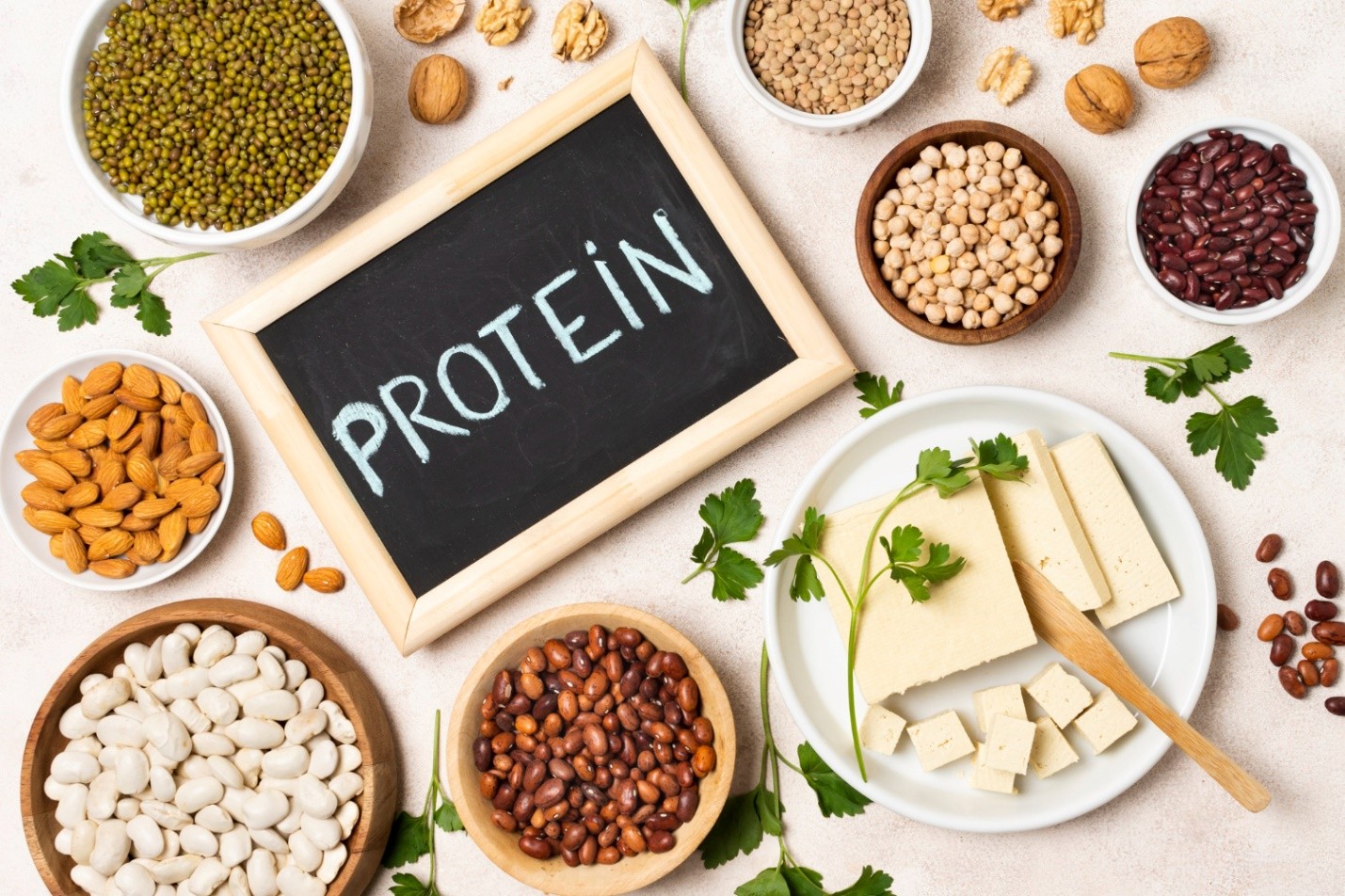
Gym goer or not, you need protein every day.
Protein is one of the most crucial macronutrients for your body, which helps repair and build new cells, supports the immune system, maintains a healthy physique, and overall health.
Not getting enough protein can make you weak and fatigued and can deteriorate your health.
Read this blog to find out if you’re getting enough protein by recognising low-protein signs in your body
Signs That Your Protein Intake is Low
Since protein is essential for energy metabolism, immunity, cellular repair and growth, its inadequate intake can lead to the following symptoms:
1. Feeling Tired and Low on Energy
Low energy and persistent fatigue are the most common symptoms of insufficient protein intake. Protein helps with energy production and muscle function.
Not eating enough protein can lead to muscle tissue breakdown to compensate for the lack of dietary protein, resulting in muscle loss and, again, low energy.
2. Slow Muscle Recovery
Protein is important for repairing muscle fibres after intense training. Not getting enough protein can lead to muscle soreness, loss of strength, and slow progress in bodybuilding.
Many athletes and gym-goers include whey protein powder in their routine because it provides a convenient way to support muscle repair and meet daily protein requirements.
3. Brittle Nails and Hair Fall
Hair and nails need a protein called keratin to grow. When your body is low in protein, your hair and nails take the hit, resulting in hair thinning and nails that chip easily.
The tricky part is that these symptoms may appear gradually and often be ignored initially.
4. Frequent Illness or Slow Healing
Protein helps boost immunity by supporting antibody production and repairing damaged tissues.
Low protein intake may lead to:
● Getting sick more often
● Slow wound healing
● Feeling run-down frequently
This happens because the body lacks the building blocks needed for proper immune function.
How Much Protein Do You Need?
Protein requirements for adults vary depending on activity level, such as:
| Activity Levels | Protein Needs per Kg of Bodyweight |
| Sedentary | About 0.8 g |
| Active | 1.2-1.6 g |
| Strength trainer | 1.6-2.2 g |
Eating a balanced diet with protein-rich foods such as eggs, dairy, legumes, fish, poultry, nuts, and seeds can help meet these needs.
If you’re a very active individual who goes to the gym regularly and aims to boost workout performance and outcome, you can pair your routine with creatine. It helps build muscles and provides massive energy during high-intensity exercise.
Key Takeaways
Protein deficiency can lead to low energy levels, decreased muscle strength, and poor immunity. The signs often appear gradually, which is why they are easy to miss.
Paying attention to symptoms such as fatigue, slow recovery, hair thinning, and constant hunger can help you recognize when your body may need more protein.
Prioritise incorporating naturally protein-rich foods such as poultry, legumes, meat, fish, and yoghurt. If you’re into bodybuilding, adding supplements to support protein intake can be beneficial.