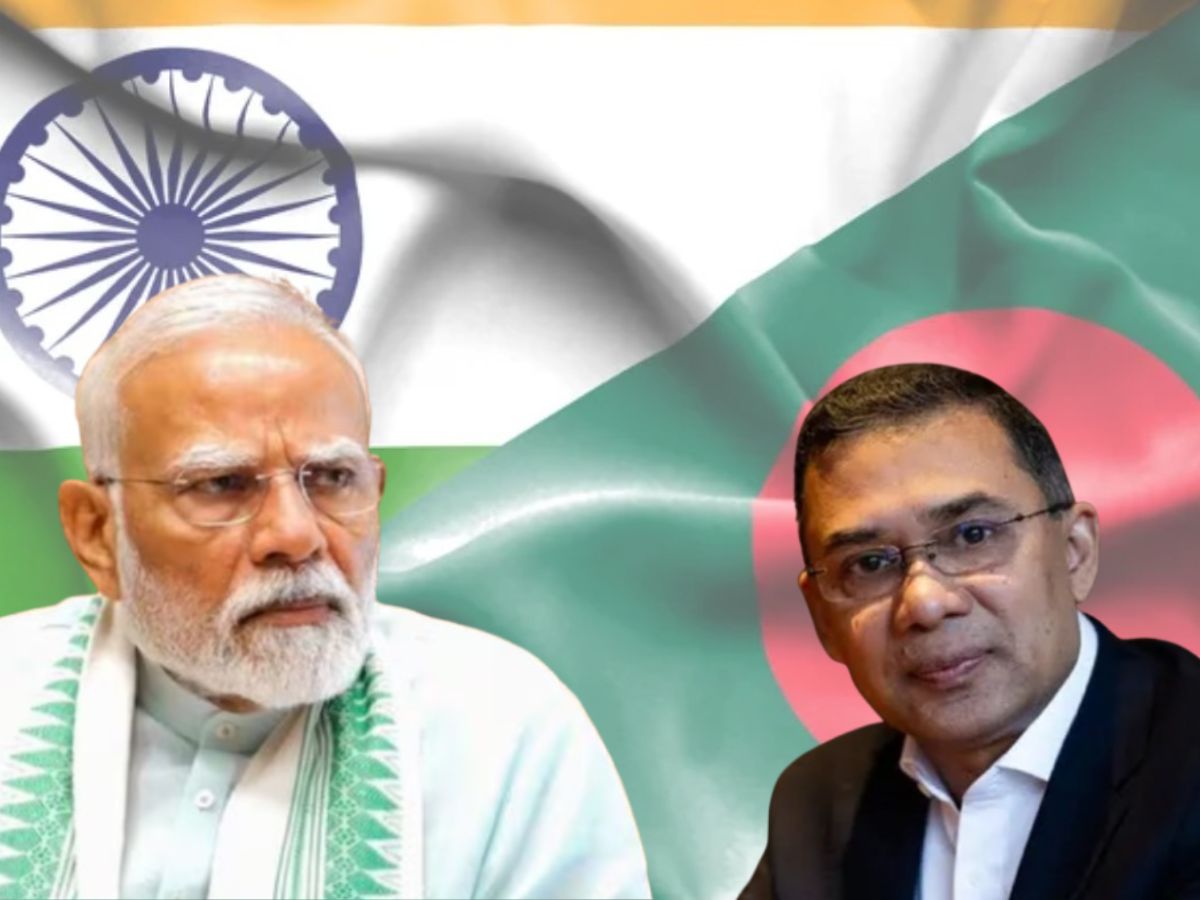

Bangladesh Politics In Spotlight: Tarique Rahman’s Win And What It Means for India
Bangladesh has changed its political situation through its recent actions. The election victory of Tarique Rahman in 2026 marks the end of Sheikh Hasina’s extended “Golden Era” while it begins a new era for relations between Dhaka and New Delhi.
Prime Minister Narendra Modi quickly sent his congratulations because he wanted to show that India would maintain friendly relations. Investors and traders, along with policy observers, want to know one main thing: what effects will Rahman’s “Bangladesh First” strategy have on trade relations, water-sharing agreements, and the overall regional plan?
The next developments in Dhaka will create effects throughout South Asia because India now holds its highest level of interest in this situation.
I convey my warm congratulations to Mr. Tarique Rahman on leading BNP to a decisive victory in the Parliamentary elections in Bangladesh.
This victory shows the trust of the people of Bangladesh in your leadership.
India will continue to stand in support of a democratic,…
– Narendra Modi (@narendramodi) February 13, 2026
Bangladesh’s New Playbook: Rahman, PM Modi & the High-Stakes Diplomatic Chessboard
All of India currently watches and listens to the Bangladesh political situation because Tarique Rahman has taken control. Prime Minister Modi sent his congratulations because he believes maintaining good relations with neighbors proves easier than resolving disputes. The BNP makes its economic partnership with India, which it calls “unavoidable” for economic stability, its first priority.
The main action remains unfinished because both investors and policymakers watch the actual ongoing situation. The Ganges Water Treaty needs renewal because trade corridors require easy operations while China-related risks make planners stay watchful.
The main attraction of the show comes from Sheikh Hasina’s extradition. The way New Delhi and Dhaka approach this issue will create the main news story for the entire region. All diplomatic activities require examination because Rahman’s “Bangladesh First” program has the potential to change South Asia’s existing rules.
Economic And Infrastructure Ties: How India And Bangladesh Stay Connected
Bilateral Trade: Strengthening Economic Links: The current bilateral trade between both countries amounts to approximately USD 14.01 billion for the fiscal year 2023-24, which establishes a strong economic link between them. The financial agreement functions as an essential deal-making element which both parties must acknowledge.
Energy Cooperation: Powering Bangladesh: India delivers 1,160 megawatts of electricity to Bangladesh through the Friendship Pipeline and Maitree Super Thermal Plant, which ensures continuous power supply for both residential areas and industrial operations in Bangladesh.
Rail Connectivity: Historical Links Reimagined: The restoration of six rail links which existed before 1965 has been completed, but passenger train operations remain suspended because of security concerns. The historical site delivers its past performance to the present time but requires careful handling.
Water Management: Key Treaties Under Watch: The Ganga Water Treaty will end its validity in December 2026, while the Teesta River agreements continue to be problematic because of their critical importance to water management.
Border Security: Persistent Challenges: The frontier establishes multiple threats which require permanent attention from security planners because it experiences both illegal immigration, cattle smuggling, and occasional border conflicts.
Strategic Oversight: Chinese Investments: India must pay attention to the increasing Chinese financial investments which support Bangladesh’s infrastructure development and defense sector because these developments create strategic dynamics within the region.
What Are the Major Unresolved Issues Between India And Bangladesh?
India and Bangladesh will now face their most difficult challenges. The main water distribution issue exists because the Ganga Water Treaty will end in December 2026, and the Teesta River agreement still causes disputes. Border management creates ongoing difficulties, as security forces must respond to illegal migration, border violence, and cattle smuggling operations.
China has expanded its infrastructure and defense investments in Bangladesh, which creates strategic concerns for New Delhi. The Indian government considers these hotspots to be more than diplomatic matters because they impact how power is distributed throughout the entire region.
Aishwarya is a journalism graduate with over three years of experience thriving in the buzzing corporate media world. She’s got a knack for decoding business news, tracking the twists and turns of the stock market, covering the masala of the entertainment world, and sometimes her stories come with just the right sprinkle of political commentary. She has worked with several organizations, interned at ZEE and gained professional skills at TV9 and News24, And now is learning and writing at NewsX, she’s no stranger to the newsroom hustle. Her storytelling style is fast-paced, creative, and perfectly tailored to connect with both the platform and its audience. Moto: Approaching every story from the reader’s point of view, backing up her insights with solid facts.
Always bold with her opinions, she also never misses the chance to weave in expert voices, keeping things balanced and insightful. In short, Aishwarya brings a fresh, sharp, and fact-driven voice to every story she touches.