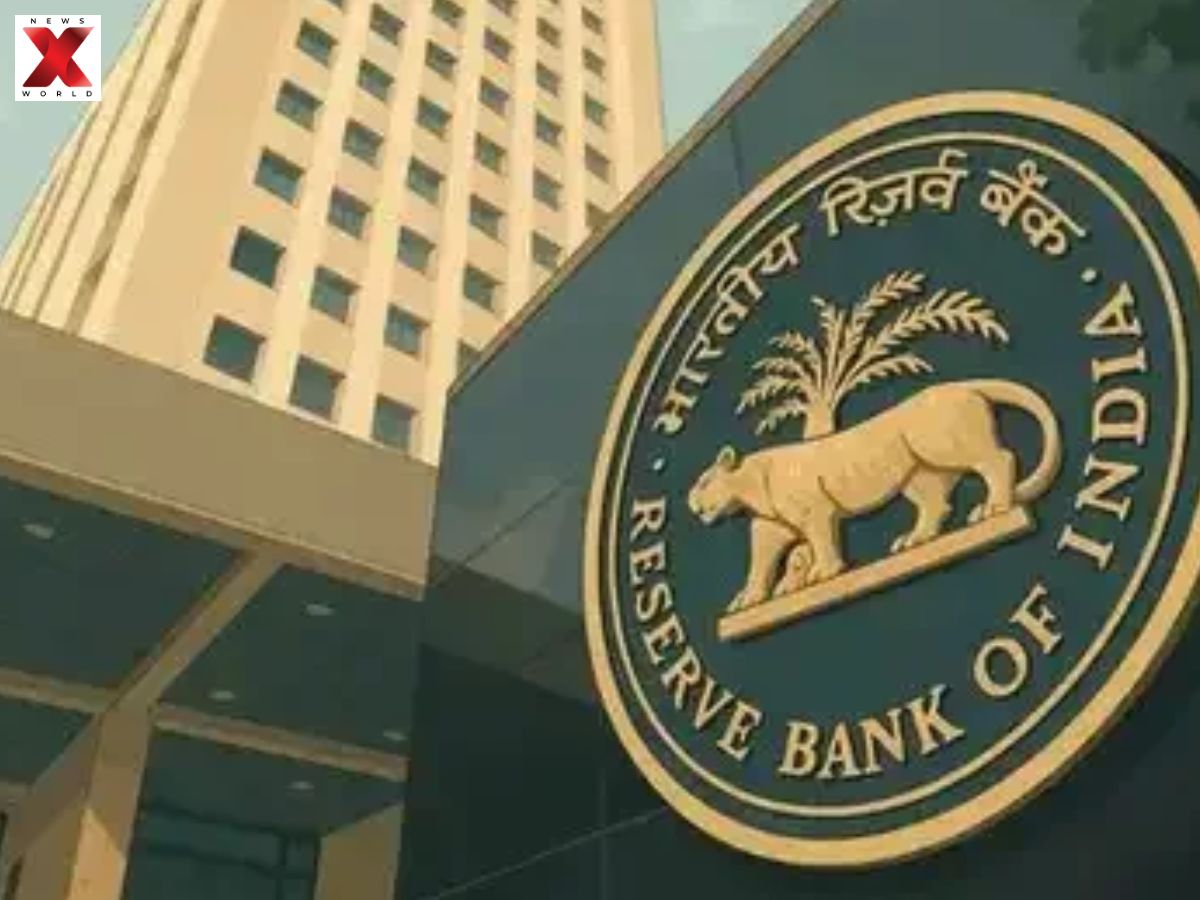

India’s Forex Reserves Rise Marginally To USD 687.26 Billion
India’s foreign exchange reserves rose slightly by USD 1.033 billion in the week ending December 5, reaching USD 687.260 billion, according to the Reserve Bank of India’s (RBI) latest Weekly Statistical Supplement. This increase was primarily driven by a jump in gold reserves, which offset small declines in other components of the forex kitty.
Over the past few weeks, India’s forex reserves have largely been on a downtrend, except for occasional marginal gains. Despite this, the country’s foreign exchange reserves continue to hover near record levels, just shy of the all-time high of USD 704.89 billion recorded in September 2024.
Composition Of Reserves: Gold Leads The Gain
For the week ending December 5, India’s foreign currency assets (FCA), the largest component of forex reserves, stood at USD 556.880 billion, reflecting a slight decline of USD 151 million. On the other hand, gold reserves rose sharply to USD 106.984 billion, contributing to the overall marginal increase in total reserves.
Gold, widely regarded as a safe-haven asset, has seen a sharp uptrend in recent months amid heightened global uncertainties and robust investment demand. This rise in gold reserves underscores its role as a stabilizing component of the country’s foreign exchange portfolio.
Reserves And External Sector Resilience
The RBI has repeatedly emphasized that India’s foreign exchange reserves are more than sufficient to cover over 11 months of merchandise imports, highlighting the country’s strong external position. The central bank remains confident that India can comfortably meet its external financing requirements, reflecting the resilience of the external sector.
India’s forex reserves have seen steady growth in recent years. In 2023, the country added around USD 58 billion, in contrast to a cumulative decline of USD 71 billion in 2022. In 2024, reserves rose by slightly over USD 20 billion, and so far in 2025, the kitty has increased by approximately USD 47–48 billion.
Rupee Pressure And RBI Intervention
Foreign exchange reserves, or FX reserves, consist of assets held by a nation’s central bank in major currencies such as the US dollar, with smaller portions in the Euro, Japanese Yen, and Pound Sterling. The RBI actively manages these reserves, buying dollars when the rupee strengthens and selling them when the currency weakens to prevent steep depreciation.
The Indian rupee has faced significant pressure this year, weakening by over 5% cumulatively due to various domestic and global factors. By maintaining robust reserves, the RBI can continue to stabilize the currency, ensuring smooth functioning of the foreign exchange market.
Overall, India’s foreign exchange reserves remain robust, supported by gold appreciation and strong reserve accumulation. This provides a buffer against external shocks, helps maintain currency stability, and reinforces confidence in India’s economic resilience.
(This article has been syndicated from ANI, Mildly edited for clarity)
Aishwarya is a journalism graduate with over three years of experience thriving in the buzzing corporate media world. She’s got a knack for decoding business news, tracking the twists and turns of the stock market, covering the masala of the entertainment world, and sometimes her stories come with just the right sprinkle of political commentary. She has worked with several organizations, interned at ZEE and gained professional skills at TV9 and News24, And now is learning and writing at NewsX, she’s no stranger to the newsroom hustle. Her storytelling style is fast-paced, creative, and perfectly tailored to connect with both the platform and its audience. Moto: Approaching every story from the reader’s point of view, backing up her insights with solid facts.
Always bold with her opinions, she also never misses the chance to weave in expert voices, keeping things balanced and insightful. In short, Aishwarya brings a fresh, sharp, and fact-driven voice to every story she touches.