

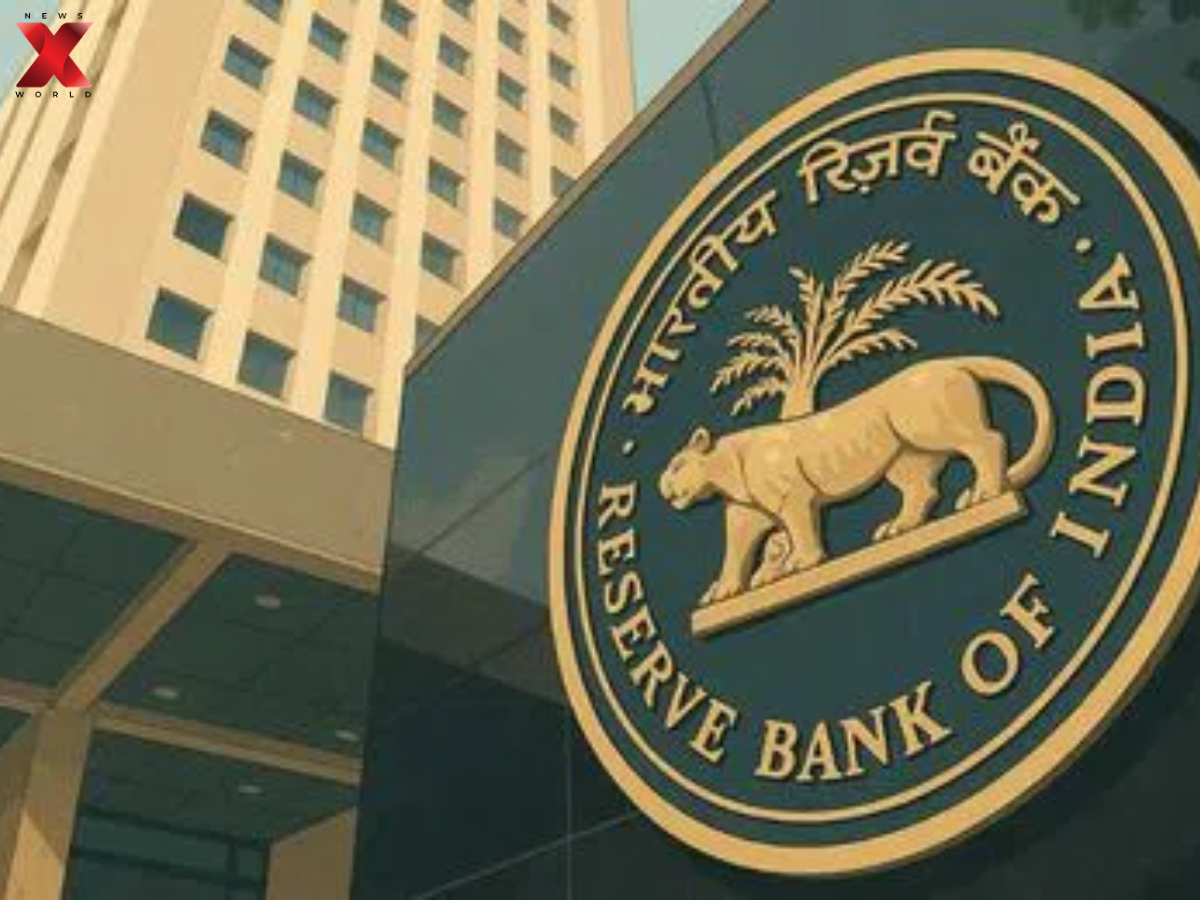
RBI MPC Meeting 2026: The three-day RBI Monetary Policy Committee (MPC) meet began today, June 3. Governor Sanjay Malhotra will announce the policy outcome on June 5. The policy meeting comes at a time when the Indian economy is struggling to balance the impact of rising crude oil prices, West Asian geopolitical turmoil, a weakening rupee and inflation. Most economists do expect the RBI to hold rates steady; however, analysts will closely watch the policy statement to gain insights on inflation trends, growth trajectory, movement of the rupee and future monetary policy course. The lenders and depositors, as well as the corporates and investors, have a stake in whether the pause will be carried on or the RBI will kick off the unwinding process and start readying for a tight monetary policy in the coming months.
RBI MPC Meet 2026: What Do Economists Expect?
There is a general consensus amongst the economists and market participants that the RBI will likely keep the repo rate steady at 5.25% during the June policy review.
According to the Moneycontrol survey of 14 economists, it showed that out of these, 10 predicted a status quo in the RBI MPC policy, while 4 economists foresaw a rate hike in the case of an increase in inflationary pressure.
Similarly, another PTI survey conducted on economists and treasury heads indicated the possibility of a status quo, with 11 respondents expecting no change in interest rates, whereas four believe a rate hike of 25 basis points may be announced.
So far, the RBI has reduced the repo rate by a cumulative of 125 basis points since February 2025. Later, the central bank maintained the status quo on interest rates in the February and April 2026 reviews after such rate cuts to watch how the economy is shaping up.
Why Do Crude Oil Prices Matter?
The rise of crude oil prices at a global level is the most important issue that is to be addressed by policymakers. Political instability due to some major geopolitical changes that took place in West Asia, along with fear of supply chain disruption and instability in the energy market, adds to the concern about inflation. Higher crude oil prices normally result in increased transportation and manufacturing expenses, which will be finally passed on to the consumers.
Retail inflation has declined to 3.48% in April. However, market participants caution that a further climb in the prices of crude oil and petrol will have an upward bearing on the inflation in the coming quarters. The market expects the RBI to keep the rates steady, while it is also probable that the central bank may announce a dovish policy tone.
GDP Growth Outlook Could Be Revised
Apart from the interest rate decision, the markets will keenly follow the updated growth and inflation forecast by the RBI. It is predicted by many economists that the RBI is likely to revise downwards its growth forecast for FY27 by some margin due to the negative impact of higher energy prices and geopolitical uncertainties on the global economy.
There are chances that the commodity prices will continue to rise for a longer duration, and consequently, the RBI may announce an upward revision to inflation projections.
Rupee Outlook And Future Signals to Watch Out For
The appreciation pressure on the rupee has been curbed by high energy import bills and world risk aversion. Keeping these in mind, the markets will be keenly observing the RBI’s stance on the currency trends and risks associated with the external sector.
The markets have largely priced in no change in interest rates. However, it is expected that the future attention of the markets will be on the statement by Governor Sanjay Malhotra. A forward guidance from the RBI on rate hikes, inflation worries or liquidity might have major implications for bond yields, equity markets and borrowing costs.
RBI MPC Meet: What borrowers And Investors Should Watch
While the policy is likely to maintain the status quo, the central bank’s views on inflation risks, crude oil prices, GDP growth and the rupee in the backdrop of rising tensions in West Asia will be key triggers for markets and a source of cues regarding the possible monetary policy direction in the second half of FY27.
Priyanka Roshan is a business writer and assistant editor at the NewsX website who tracks everything from stock market swings and corporate earnings to personal finance trends and policy shifts. Known for turning fast-moving business developments into sharp, reader-friendly stories, she combines speed, accuracy, and a data-driven approach to break down complex financial news for everyday audiences.
With over 9.5 years of newsroom experience, Priyanka has worked with leading media organisations, including Moneycontrol, Times Now, and Ping Digital, covering diverse beats such as business, politics, technology, auto, travel, sports, and the world. From live breaking news desks to SEO-led digital storytelling, she specialises in creating engaging content that keeps readers informed without overwhelming them.





