
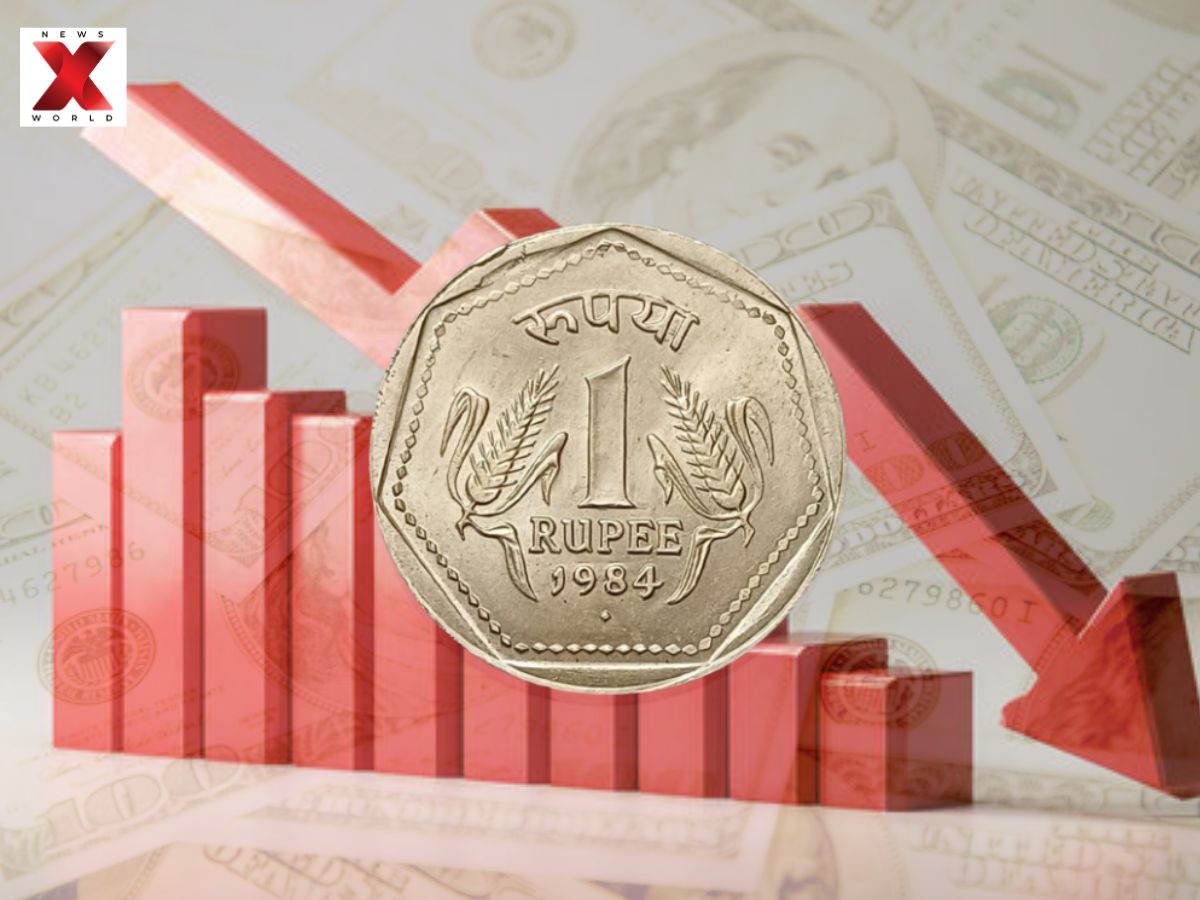
Rupee Hits Record Low: Once again, the rupee is starring in the same show called “same story, different week,” and it has slipped past ₹96 per dollar like it has somewhere better to be. It is trading between ₹96.05 and ₹96.14, another headline that reads “record low, but somehow routine” as the list goes on. Crude oil remains expensive, foreign money continues to flow out, and the US dollar stays strong in global markets- a recipe for a steady drip, drip, drip decline in the rupee that is no longer exactly a shock. The surprise factor? Gone. What was once alarming is now almost a dull, recurring weekly headline. And as fuel prices quietly creep up alongside it, the rupee’s slide feels less like a breaking moment and more like the background commentary of the economy.
Strong US Dollar & Higher Yields
The dollar is on a strong run, supported by higher US bond yields, which keep global investors invested in US assets. This reduces appetite for emerging markets, and currencies like the rupee come under pressure due to weaker inflows.
Foreign Institutional Investor (FII) Outflows
Foreign investors are pulling money out of Indian equities, which increases demand for dollars. This reduces overall support for the rupee and adds downward pressure on its value.
Rising Crude Oil Prices
Oil prices above $120 per barrel increase India’s import bill. Since crude oil is imported in dollars, higher oil prices mean higher dollar demand, which further weakens the rupee in an already strained environment.
What Happens With A Weakening Rupee (Economic Impact)
A weak rupee doesn’t silently slide off the edge; it shows up in the import bill like an unwelcome, uninvited guest. Crude becomes expensive, and since India imports a large share of it, the cost doesn’t stop at the docks. That flows into fuel prices, making each visit to the petrol station a little more painful than the last. Transport costs rise too, manufacturing becomes costlier, and soon the impact spreads across nearly everything-from supermarket items to the food we eat.
What begins as a currency movement in financial markets turns into a wider inflationary pressure that affects households in multiple ways. This is one of the most significant short-term effects of a weaker rupee, because it does not stay confined to financial headlines; it becomes visible in everyday budgets and in the steady rise in prices that people feel even without tracking currency movements closely.
Also Read: Stock market Today: Closing Bell | Dalal Street Flat Before The Weekend, Sensex slips….
Aishwarya is a journalism graduate with over 4.5 years of experience thriving in the buzzing corporate media world. She’s got a knack for decoding business news, tracking the twists and turns of the stock market, covering the masala of the entertainment world, and sometimes her stories come with just the right sprinkle of political commentary. She has worked with several organizations, interned at ZEE and gained professional skills at TV9 and News24, And now is learning and writing at NewsX, she’s no stranger to the newsroom hustle. Her storytelling style is fast-paced, creative, and perfectly tailored to connect with both the platform and its audience. Moto: Approaching every story from the reader’s point of view, backing up her insights with solid facts.
Always bold with her opinions, she also never misses the chance to weave in expert voices, keeping things balanced and insightful. In short, Aishwarya brings a fresh, sharp, and fact-driven voice to every story she touches.





