
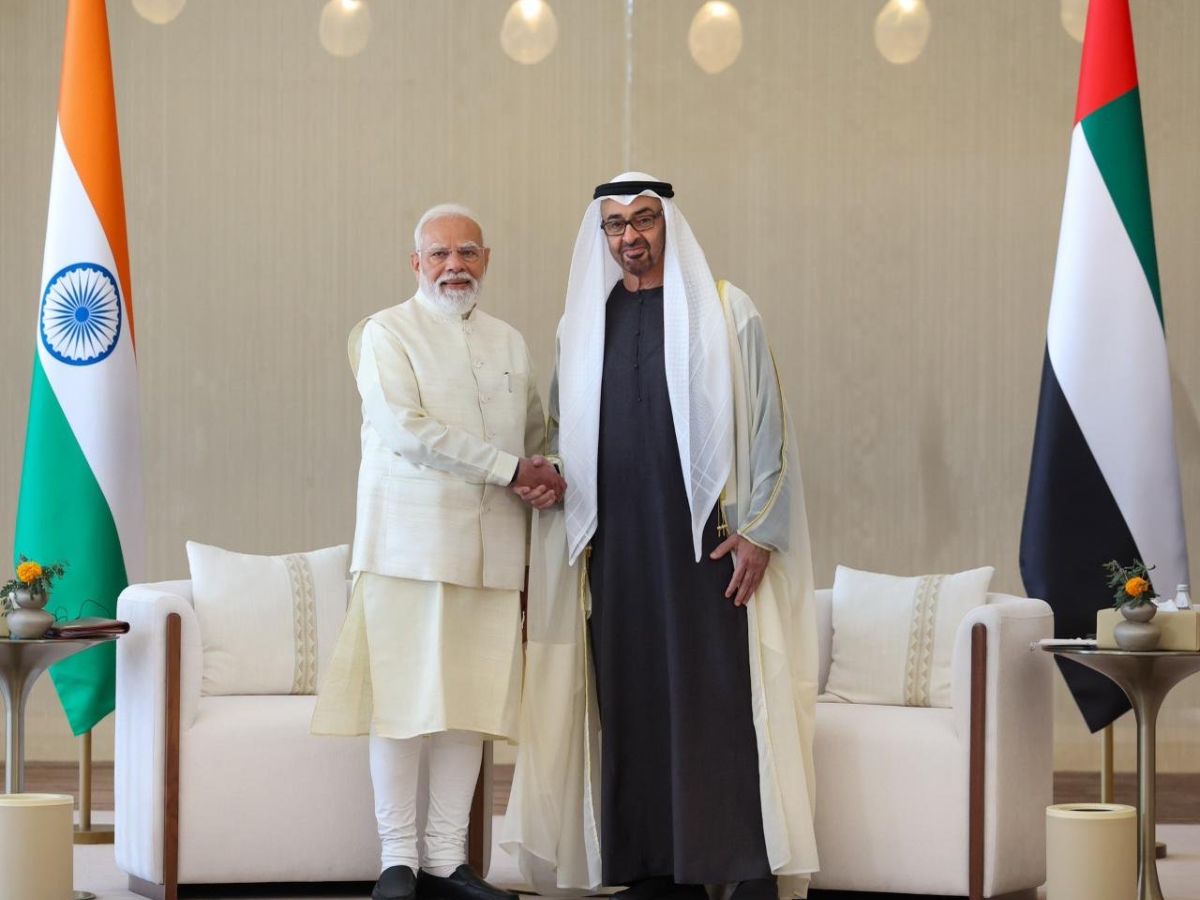
India and the United Arab Emirates (UAE) on Friday signed key agreements to ensure the energy security of the Indian economy by agreeing to develop strategic petroleum reserves and a long-term supply of LPG as tensions in West Asia threatened supplies through the Strait of Hormuz.
The agreement was signed during Prime Minister Narendra Modi’s visit to Abu Dhabi in the presence of the President of the United Arab Emirates, Sheikh Mohammed bin Zayed Al Nahyan.
Such pacts have been inked after the centre hiked the price of petrol and diesel by Rs 3 per litre. The people of India are concerned about mounting household expenses, transportation, grocery prices, and the price of LPG cylinders. The new energy relations with the UAE are considered a long-term supply route that will significantly reduce India’s vulnerability to sudden global shocks in oil supply.
Significance of strategic petroleum reserves deal
The agreement between India and the UAE on SPR is critical in enabling India to better anticipate and prepare for disruptions to the oil supply globally. India depends on imported oil to meet as much as 85% of its requirement.
This makes India highly susceptible to fluctuations in crude oil prices – exorbitant for the country in the event of a war-like situation or disruption in shipping routes or imposition of sanctions or political disturbances.
At present, Abu Dhabi National Oil Company is the only foreign oil company with stored crude oil in India’s underground strategic reserves. The new agreement pushes this partnership forward and will help India secure crude oil in case of supply shocks. Essentially, it is a backup for India in times of crisis.
What does an LPG supply pact mean for India?
India also signed a long-term contract for LPG supply between Indian Oil Corporation and ADNOC.
The UAE already ships one of the largest supplies of cooking gas to India and caters to nearly 40 per cent of the country’s domestic LPG needs.
The deal would assure LPG supply to India on a sustainable, long-term basis and on a priority scale.
This is all the more significant because LPG remains one of the most used fuels for domestic use in the country. Therefore, any increase in international LPG import prices eventually gets transferred to household expenses in the form of higher cylinder prices.
With the deal, India is poised to increase its supply reliability, make itself less exposed to volatile price shocks and ensure steady supply flows in the event of global turmoil.
What does this mean for Indian households?
Fuel price hikes seldom remain confined to the petrol pumps.
The higher prices of crude oil tend to influence transportation costs, taxi fares, logistics costs, food delivery costs and inflation.
This is why India’s latest petroleum reserve and LPG deals with the UAE are significant beyond government-level diplomacy.
These pacts may not immediately lead to a reduction in petrol, diesel or LPG prices, but they may help India in better dealing with any supply disruptions in the future and reduce extreme volatility in global crises.
Energy markets around the globe are still on edge, watching developments around the Strait of Hormuz, one of the world’s most important oil shipping lanes.
A long disruption there could send world prices of crude oil sharply higher.
Will the India-UAE LPG and petroleum pacts protect India from future fuel price shocks?
India’s latest petroleum reserve and LPG deals with the UAE come at a critical time when concerns over fuel inflation are again coming to the fore. Geopolitical tensions are a major factor in global crude oil markets, and these deals could help India in building up emergency fuel preparedness, securing long-term LPG supplies and reducing exposure to future energy market shocks.
Priyanka Roshan is a business writer and chief sub-editor at the NewsX website who tracks everything from stock market swings and corporate earnings to personal finance trends and policy shifts. Known for turning fast-moving business developments into sharp, reader-friendly stories, she combines speed, accuracy, and a data-driven approach to break down complex financial news for everyday audiences.
With over 9.5 years of newsroom experience, Priyanka has worked with leading media organisations, including Moneycontrol, Times Now, and Ping Digital, covering diverse beats such as business, politics, technology, auto, travel, sports, and the world. From live breaking news desks to SEO-led digital storytelling, she specialises in creating engaging content that keeps readers informed without overwhelming them.





