
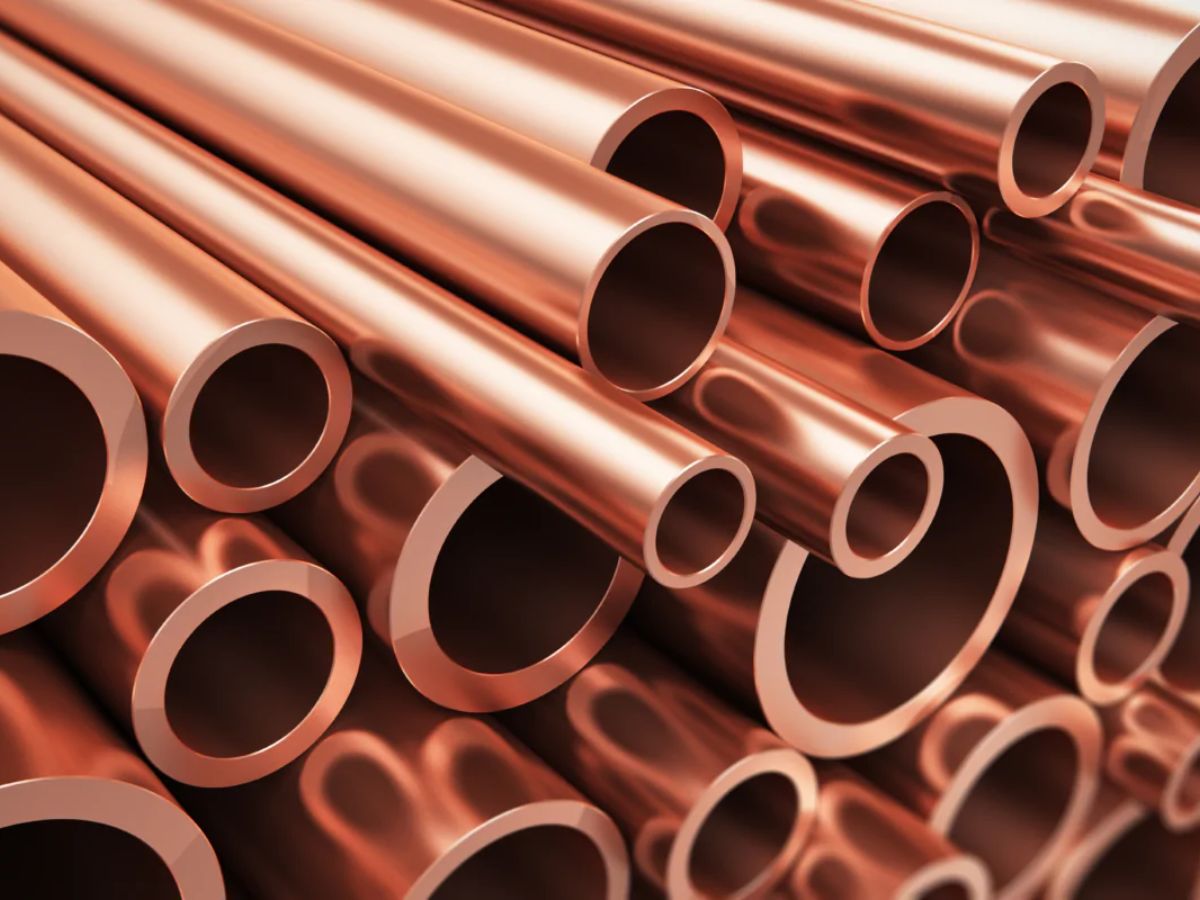

The US government announced a hefty 50% tariff on semi-finished copper and copper-based products imports effective August 1, 2025. The move, aimed at reducing import dependence citing national security concerns under Section 232 of the Trade Expansion Act, has raised alarms among industry experts and think tanks. The Global Trade Research Initiative (GTRI) argues that this tariff may backfire, hurting US industries reliant on copper far more than it protects them. Copper is essential for sectors such as electric vehicles (EVs), defence electronics, clean energy, and infrastructure. GTRI warned, “A sudden 50% hike in input costs will ripple through these sectors, slowing production, raising prices, and undermining the U.S. clean energy transition.” India exported USD 360 million worth of copper products to the US in 2024-25, but the tariff applies equally to all countries, maintaining a level playing field.
US Copper Tariff And Its Strategic Goal
The US has imposed a 50% tariff on semi-finished copper products to reduce foreign reliance and protect domestic industries vital for national security. The Presidential Proclamation, issued July 29, 2025, under Section 232 of the Trade Expansion Act, reflects Washington’s concerns over copper supplies crucial for defence, infrastructure, and clean energy. The policy aims to boost domestic smelting and manufacturing by raising import costs. However, the high tariff may disrupt supply chains and production timelines in industries heavily dependent on copper as a raw material. GTRI highlights the risk of unintended consequences for US manufacturing sectors that rely on affordable copper inputs.
Copper’s Critical Role In Key US Sectors
Copper plays a foundational role in US technology and infrastructure development. It is vital for electric vehicles, power grids, semiconductors, and defence electronics. GTRI’s report states, “A sudden 50% hike in input costs will ripple through these sectors, slowing production, raising prices, and undermining the U.S. clean energy transition.” By increasing costs sharply, the tariff could delay production and innovation in sectors driving the US industrial future. The tariff’s broad impact could extend beyond copper smelting to downstream industries, potentially undermining the economic goals of the policy.
Impact on India And Global Trade Dynamics
India exported copper products worth USD 360 million to the US during 2024-25, including plates, tubes, and semi-finished forms. GTRI notes that the uniform tariff applies to all countries, including allies like Japan and the EU, maintaining a level playing field. “India is unlikely to face any specific disadvantage compared to others,” the report states. The tariff, intended to protect the US domestic smelting sector, could impose minimal strategic gain but significant economic pain on US downstream industries. This includes higher input costs for industries critical to national defence and clean energy ambitions.
Industry Concerns And Future Outlook
GTRI’s analysis warns that the tariff “may bring minimal strategic gain but significant economic pain—especially at a time when copper is more crucial than ever to the U.S. industrial future.” The steep tariff could slow production and increase prices in sectors vital for innovation and security. As the tariff comes into effect on August 1, industry watchers will closely monitor its impact on supply chains, manufacturing costs, and trade flows. The US government’s challenge lies in balancing national security goals with the economic realities of a copper-dependent industrial ecosystem.
(From ANI)
Also Read: US Tariff Shock: Indian Gem And Jewellery Sector, Faces Job Losses And Export Crisis
Aishwarya is a journalism graduate with over three years of experience thriving in the buzzing corporate media world. She’s got a knack for decoding business news, tracking the twists and turns of the stock market, covering the masala of the entertainment world, and sometimes her stories come with just the right sprinkle of political commentary. She has worked with several organizations, interned at ZEE and gained professional skills at TV9 and News24, And now is learning and writing at NewsX, she’s no stranger to the newsroom hustle. Her storytelling style is fast-paced, creative, and perfectly tailored to connect with both the platform and its audience. Moto: Approaching every story from the reader’s point of view, backing up her insights with solid facts.
Always bold with her opinions, she also never misses the chance to weave in expert voices, keeping things balanced and insightful. In short, Aishwarya brings a fresh, sharp, and fact-driven voice to every story she touches.




