

LIVE TV
LIVE TV
LIVE TV
Home > Business > What Are Hybrid ATMs? India’s Smart Solution To The Big Notes, Small Change Trouble Cash Crisis

What Are Hybrid ATMs? India’s Smart Solution To The Big Notes, Small Change Trouble Cash Crisis

Hybrid ATMs aim to solve India’s everyday cash-change problem by dispensing small-denomination notes, ensuring smoother daily transactions for cash-dependent citizens while coexisting with booming digital payments.

Published By: Aishwarya Samant
Last updated: January 27, 2026 16:11:55 IST

Add NewsX As A Trusted Source

When Big Notes Create Small Problems: The Everyday Cash Struggle

Have you ever used a new ₹500 note to show off, only to be met with the dreaded words, “Change nahi hai”? You share this experience with many others. The use of high-denomination notes often turns into a social problem that people face everywhere, from tea stalls to auto rickshaws. These notes may look neat inside your wallet, but they force you to negotiate like it’s a business deal when all you want is a ₹12 cutting chai or to pay the exact auto fare.

What should be a simple financial exchange turns into an awkward pause, leaving you with two options: hunt for spare coins or walk away empty-handed. For everyday Indians, big notes often create very small but persistent problems.

Small Notes, Big Relief: Hybrid ATMs Aim to End India’s Change Crisis

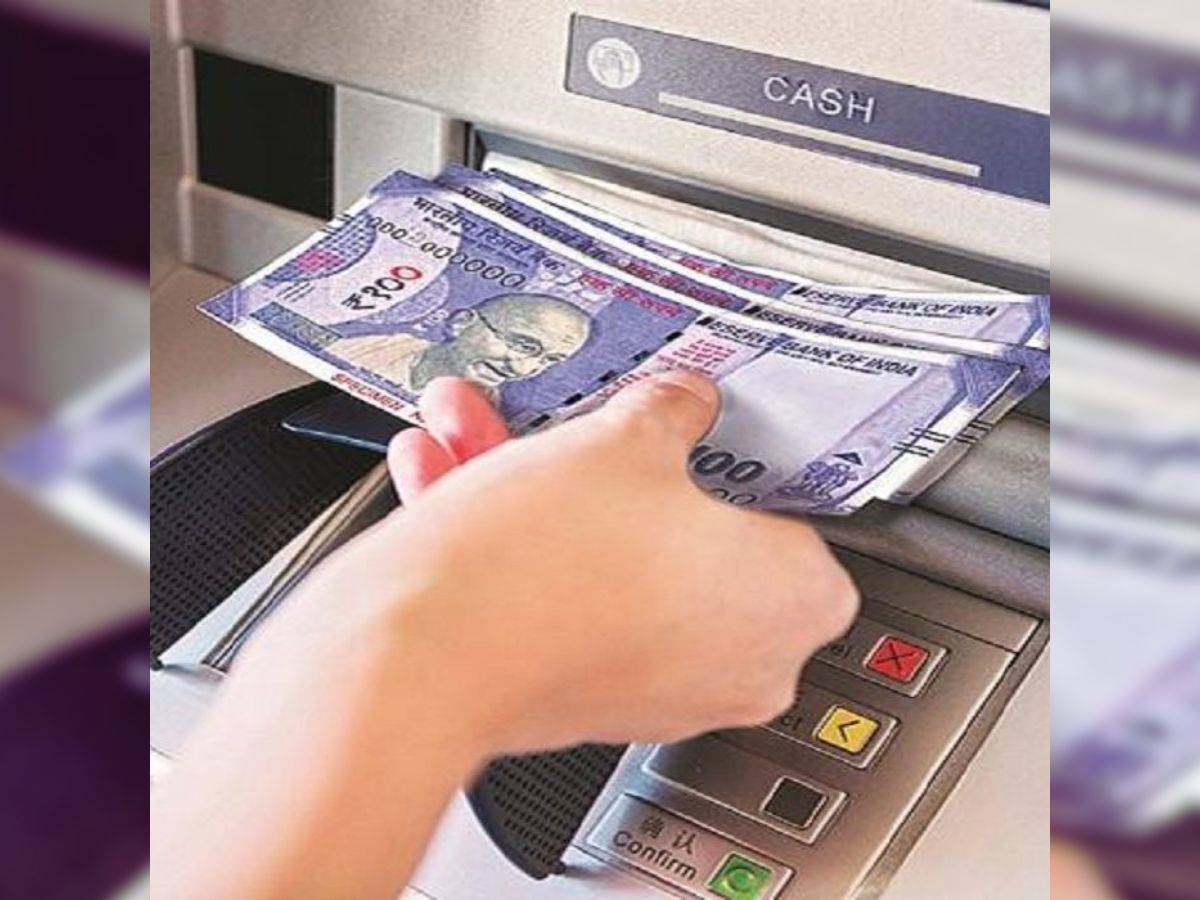
Ever wished an ATM could read your mind when you’re stuck with a ₹500 note and no change? Consumers who need cash for daily activities may soon find relief, as the way bank customers access cash is set to change. The central government is testing hybrid ATMs to solve the small-change problem by introducing advanced technology that allows machines to dispense ₹10, ₹20, and ₹50 notes on request. Yes, exact change, finally automated.

These smart machines will also let users exchange large-denomination notes for smaller ones, turning a routine withdrawal into a practical lifesaver for everyday transactions. The process enables customers to get usable cash instantly, without waiting at shop counters while vendors search for change.

The idea is no longer theoretical. A pilot project is already underway in Mumbai, testing hybrid ATMs at locations such as markets, railway stations, bus depots, hospitals, and government offices. If successful, the system could significantly transform street-level cash transactions by making small notes easily accessible when they matter most.

Why Small Notes Still Pack a Big Punch

UPI may be booming, but let’s be real, India still runs on cash in many corners. For daily wage workers, small vendors, and countless commuters, ₹10 and ₹20 notes serve as essential tools for their daily needs. The absence of small notes prevents everyday activities, including bus rides, chai sales, and meal purchases. Digital payment systems require smartphones, network access, and battery power, while cash permits instant transactions at any location. The removal of small notes causes daily activities to slow or stop. These small denominations keep economic activity alive through micro-transactions that drive the economy forward.

Key Hurdles and the RBI’s Role in Making Hybrid ATMs Work

  • RBI’s Role in Supply Management: The Reserve Bank of India is planning to print additional small-denomination banknotes to ensure the smooth functioning of hybrid ATMs, which require a steady and continuous supply of cash.

  • Cash, Not Cashless: This initiative is designed to improve the efficiency of cash circulation for everyday small-value transactions, not to eliminate cash from the economy.

  • Bank Readiness: A key challenge is whether banks have the resources to bear the costs, manage maintenance, and meet the added security requirements of operating hybrid ATMs.

  • Availability vs Access: A crucial question remains whether simply installing more ATMs will truly solve the broader issue of small-denomination note availability in public spaces.

  • Coexisting With Digital Payments: Even as UPI continues its rapid growth, hybrid ATMs aim to support cash-dependent users who still rely on physical currency for daily transactions.

RELATED News

LATEST NEWS




