
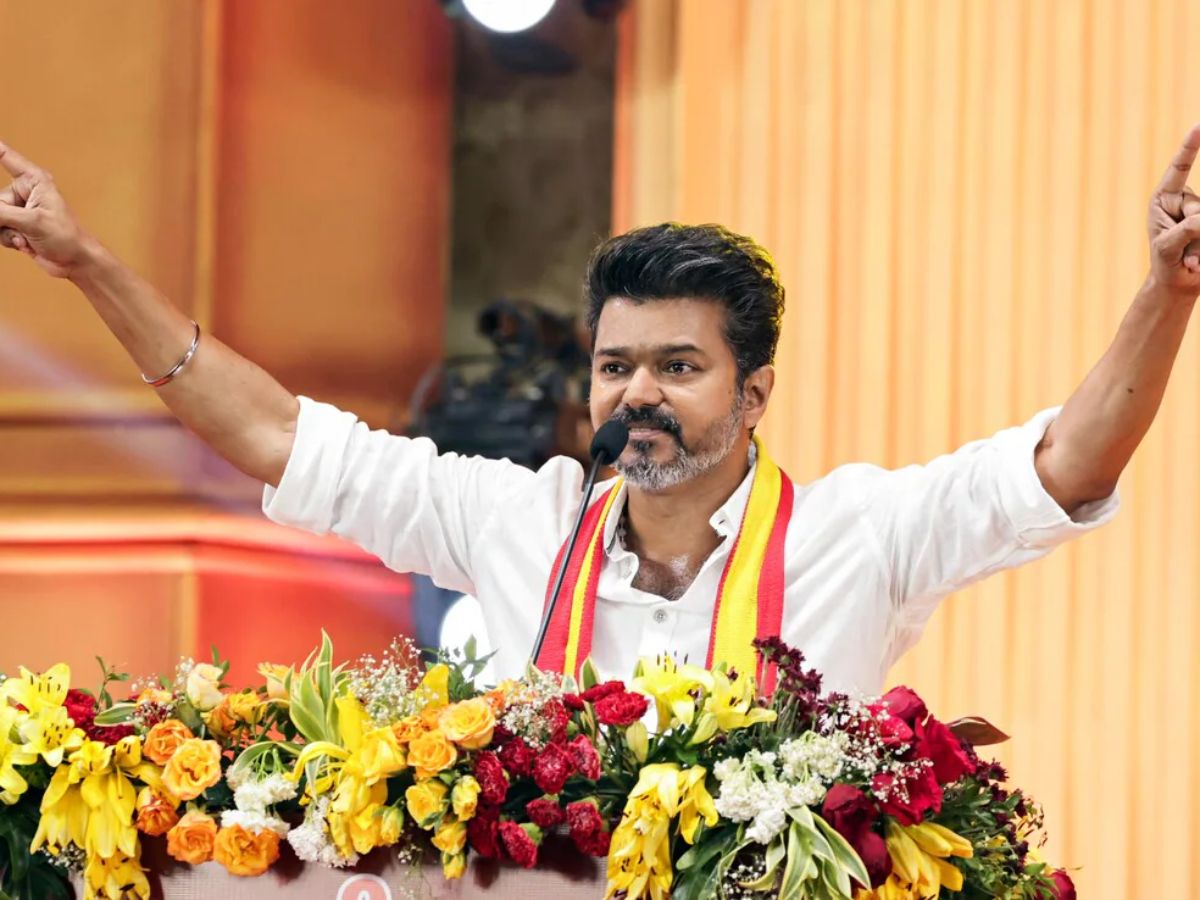

The people of Tamil Nadu face a tense moment as they wait for the complete election results after this crucial day. The entry of actor Vijay’s Tamilaga Vettri Kazhagam (TVK) into the political arena has transformed the typical DMK-AIADMK election conflict into a three-way battle, which now threatens to create a hung assembly situation in Fort St. George. A hung assembly occurs when no single party or pre-poll alliance secures the magic number of 118 seats in the 234-member house. The electorate loses control to the Governor who uses his authority to start a complicated process that involves political alliances and numbering systems and legal rules.
Inside Gubernatorial Discretion: The “Single Largest” Party Dilemma
The Governor of Tamil Nadu becomes the main authority who decides state matters when officials cannot determine a winner from the scoreboard. The Governor needs to determine which political group can create a stable government according to their assessment of the fractured electoral results because they will not automatically receive power to rule from their majority victory.
Hung Assembly in Tamil Nadu: How the Governor Decides Government Formation
The Governor uses “Sarkaria Commission” guidelines to choose between three options that follow this specific sequence of decision-making, first, he should invite the pre-poll alliance members; second, he should let the largest party claim its supporters; third, he should accept post-poll coalition agreements. If no bloc reaches 118 on result day, the Governor needs to review support documents from independent candidates and smaller parties such as NTK and PMK. The objective is to ensure that the invited leader can survive a “floor test,” a televised trial of strength where the proposed Chief Minister must prove their majority through a formal vote in the Legislative Assembly.
Post-Poll Alchemy and the Anti-Defection Perimeter
The absence of a conclusive electoral victory causes political parties to use “post-poll alchemy” for transforming their ideological differences into temporary alliances that serve to prevent another party from achieving electoral success. The current stage of political negotiations involves parties working behind closed doors to create a “Common Minimum Program,” which will help them resolve their manifesto differences.
Hung Assembly in Tamil Nadu: What Happens Next and How Government Formation Works
The entire process must follow the Anti-Defection Law, which exists under the Tenth Schedule of the Constitution. A group of MLAs must maintain at least two-thirds of their original legislative strength when they want to support or merge with another party to prevent disqualification from office.
Tamil Nadu presently shows an environment that marks an essential historical turning point. The state will experience a constitutional transition, which occurs because of its current minority government and foreign-supported minority government and its major coalition.
Also Read: VVPAT Slips Found In Bengal Ahead Of Counting: CPIM’s Big Charge And EC’s Clarification
A recent media graduate, Bhumi Vashisht is currently making a significant contribution as a committed content writer. She brings new ideas to the media sector and is an expert at creating strategic content and captivating tales, having working in the field from past over 10 months.




