
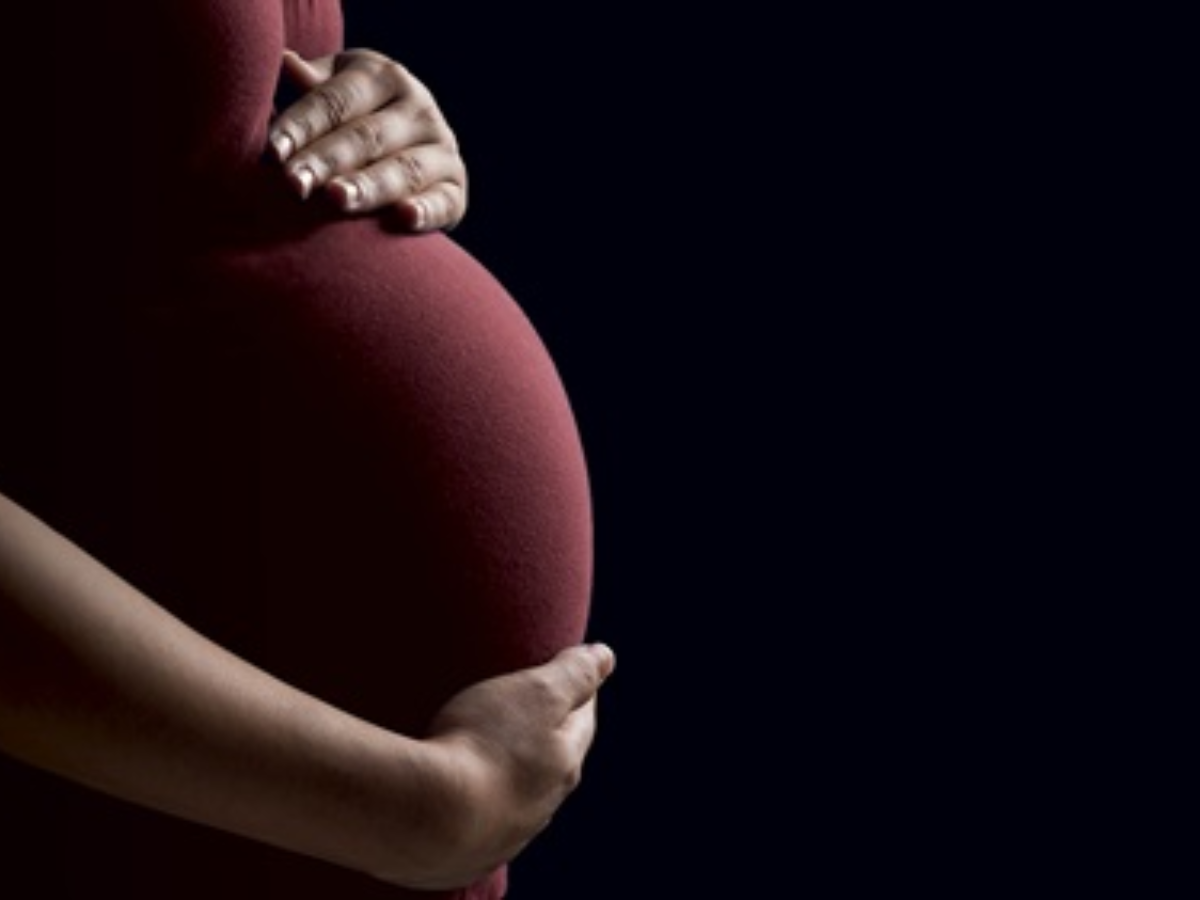

Unprotected sex is never advised untill the couple plans for a baby. But once it happenes, several raise querries based on pregnancies. The fact is that several factors affect conception and early detection. When a fertilized egg attaches to the uterus, some women notice symptoms within a week, while others may not detect changes for several weeks. Symptoms such as nausea, fatigue, headaches, sore breasts, and missed periods often appear early. Taking a home pregnancy test or consulting a doctor remains the most reliable method to confirm pregnancy.
Early Signs Of Pregnancy
Cramping often signals early pregnancy. It may happen when the fertilized egg attaches to the uterine lining, usually a few days after ovulation. These cramps occur in the lower abdomen, back, or pelvic region.
Around 25% of women also experience implantation bleeding, which is lighter than a menstrual period. The spotting appears pink or brown and may last a day or two. These symptoms can be the first signs that pregnancy has begun, though not all women will experience them.
Raised Basal Body Temperature
Basal body temperature (BBT) tends to rise after ovulation and stays elevated if pregnancy occurs. When BBT remains high beyond the expected period date, it can signal early pregnancy. However, factors like illness, sleep disruption, or hormonal fluctuations can also affect temperature. Tracking BBT over time helps identify unusual patterns that may indicate conception.
Many women notice sore or swollen breasts within 1–2 weeks of conception. Hormonal shifts cause these changes, making breasts feel heavier or more sensitive. Some women also report tingling or itching sensations. While similar symptoms occur before menstruation, they may appear earlier and last longer in early pregnancy.
Fatigue and Unexplained Tiredness
Increased progesterone levels can cause fatigue shortly after conception. Many women feel unusually tired or dizzy during the day as the body adapts to early pregnancy. This symptom may appear as early as one week after fertilization and can persist into the first trimester. Proper rest and hydration help manage fatigue effectively.
Hormonal fluctuations often cause headaches during early pregnancy. Some women experience them within the first week, while others notice them later. Additionally, mood swings become common as hormonal changes affect emotional responses. Many women report feeling unusually emotional, anxious, or irritable in the early stages of pregnancy.
Sudden food cravings or strong dislikes for specific tastes often accompany early pregnancy. Some women may crave salty or sweet foods, while others feel nauseated by smells or flavors they once enjoyed. These appetite changes are often among the earliest pregnancy symptoms and reflect hormonal influences.
High levels of pregnancy hormones increase blood flow to the kidneys and bladder. As a result, women may feel the urge to urinate more frequently even before a missed period. This symptom can begin as early as one to two weeks after conception and continues into later stages of pregnancy.
Nausea and vomiting commonly referred to as morning sickness may start just two weeks after conception. Despite the name, it can happen at any time of day.
When Does Pregnancy Begin After Sex?
Fertilization can occur within minutes to 12 hours after sex, depending on ovulation. However, it takes time for pregnancy hormones to rise enough to show in tests. Typically, a woman should wait until the first day of a missed period before testing, although some advanced tests can detect pregnancy 4–5 days earlier.
Most home pregnancy tests accurately detect pregnancy after a missed period. Sensitive tests may provide results a few days earlier, but waiting ensures higher accuracy. If the test is positive, the next step is to consult a gynecologist for confirmation and medical guidance on diet, exercise, and prenatal care.
Must Read: PCOS Beyond Periods: How The Syndrome Affects Mental Well-Being
Swastika Sruti is a Senior Sub Editor at NewsX Digital with 5 years of experience shaping stories that matter. She loves tracking politics- national and global trends, and never misses a chance to dig deeper into policies and developments. Passionate about what’s happening around us, she brings sharp insight and clarity to every piece she works on. When not curating news, she’s busy exploring what’s next in the world of public interest. You can reach her at [swastika.newsx@gmail.com]




