
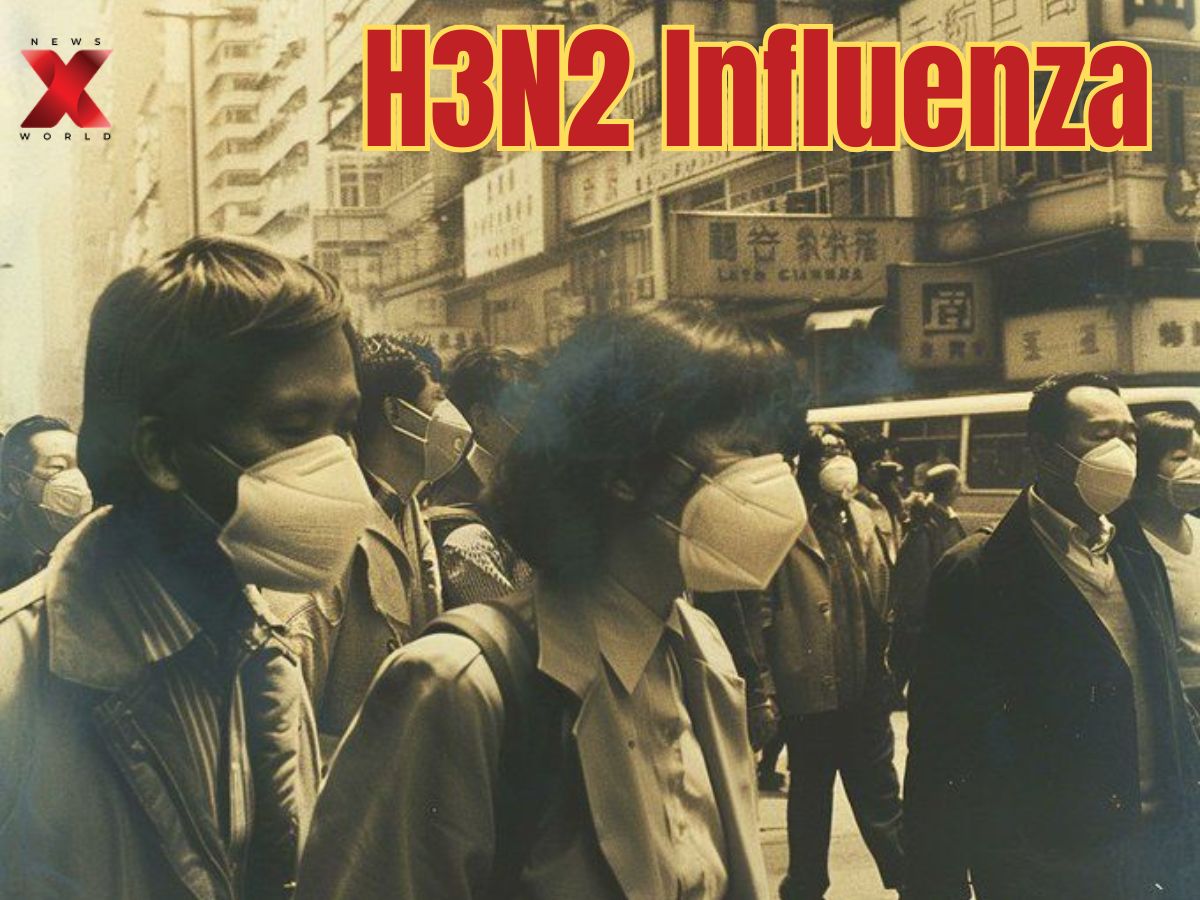

The Delhi-NCR region is currently experiencing a sharp rise in flu-like cases, largely linked to the H3N2 strain of Influenza A. A recent LocalCircles survey indicates that nearly 70 per cent of households in Delhi, Gurugram, Noida, Faridabad, and Ghaziabad have at least one member showing symptoms resembling viral fever, influenza, or Covid-like infection, pointing to a significant seasonal uptick.
H3N2, a subtype of the Influenza A virus, is known to trigger more intense symptoms than typical viral fevers and can pose greater risks for children, the elderly, and individuals with pre-existing medical conditions.
What Is H3N2 Influenza?
H3N2 Influenza is a subtype of the Influenza A virus that causes seasonal flu infections. It spreads easily from person to person through respiratory droplets when an infected person coughs, sneezes, or talks.
H3N2 is known to cause more severe symptoms compared to some other flu strains, especially in children, elderly people, pregnant women, and those with weak immunity or chronic illnesses.
H3N2 Flu: Symptoms
In some cases, H3N2 particulary among high-risk groups, it can lead to complications like bronchitis or pneumonia.
Common Symptoms of H3N2:
-
High fever (often above 101°F)
-
Persistent dry cough
-
Severe body aches and muscle pain
-
Headache
-
Sore throat
-
Runny or blocked nose
-
Extreme fatigue
-
Chills and sweating
H3N2 Flu: Who Is At Higher Risks
Doctors note that although most healthy adults typically recover within five to seven days, some groups face a higher risk of developing complications. These include senior citizens, children below the age of five, pregnant and breastfeeding women, as well as individuals suffering from asthma, diabetes, heart disease, or weakened immunity. In such high-risk cases, H3N2 can escalate into bronchitis, pneumonia, or aggravate existing respiratory conditions.
H3N2 Flu: Treatment
There is no instant cure for H3N2 influenza, but timely treatment can significantly reduce the severity and duration of symptoms. Doctors advise beginning care as soon as symptoms appear, especially for high-risk individuals.
What Doctors Recommend:
-
Adequate rest to help the body fight the infection
-
Plenty of fluids to prevent dehydration
-
Paracetamol for managing fever and body aches
-
Antiviral medications like oseltamivir, if prescribed within 48 hours of symptom onset
It is important to remember that antibiotics do not work against viral infections like H3N2 unless there is a confirmed secondary bacterial infection.
Seek Immediate Medical Help If You Notice:
-
Breathlessness
-
Chest pain
-
Persistent high fever
-
Worsening cough or symptoms
-
Severe weakness or confusion
Early diagnosis and proper care can help prevent complications such as bronchitis or pneumonia, especially in children, elderly individuals, and those with underlying health conditions.
Manisha Chauhan is a passionate journalist with 3 years of experience in the media industry, covering everything from trending entertainment buzz and celebrity spotlights to thought-provoking book reviews and practical health tips. Known for blending fresh perspectives with reader-friendly writing, she creates content that informs, entertains, and inspires. When she’s not chasing the next viral story, you’ll find her diving into a good book or exploring new wellness trends.




