
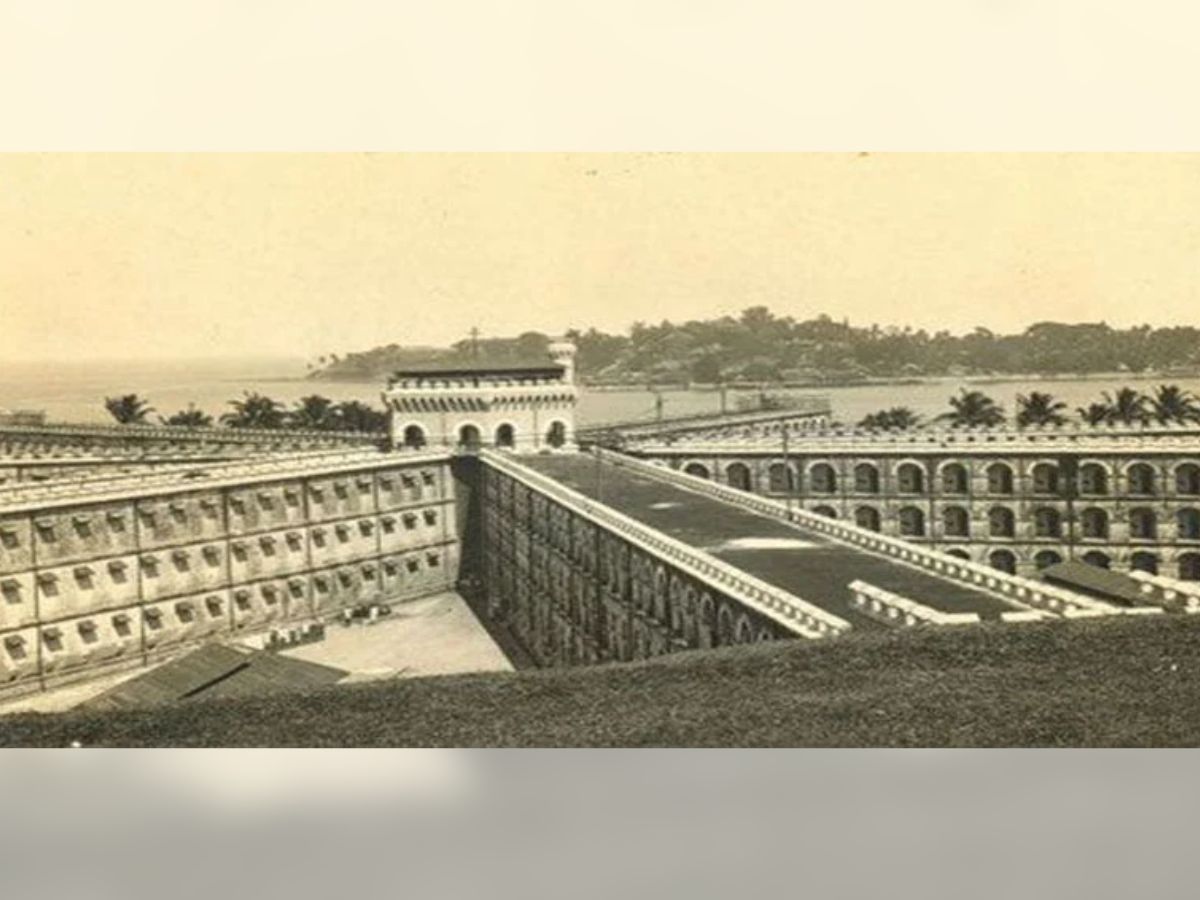

Independence Day Special: One of the most feared colonial jails in British rule was the Cellular Jail in Port Blair, Andaman and Nicobar Islands commonly known to be Kaala Pani. It was constructed to seclude the political prisoners in India and it turned into a site of torture and dehumanization beyond imagination. But inside its walls of stone the fire of freedom was burning. Various leaders who went through its iron gates became a representation of sacrifice and courage.
Veer Savarkar
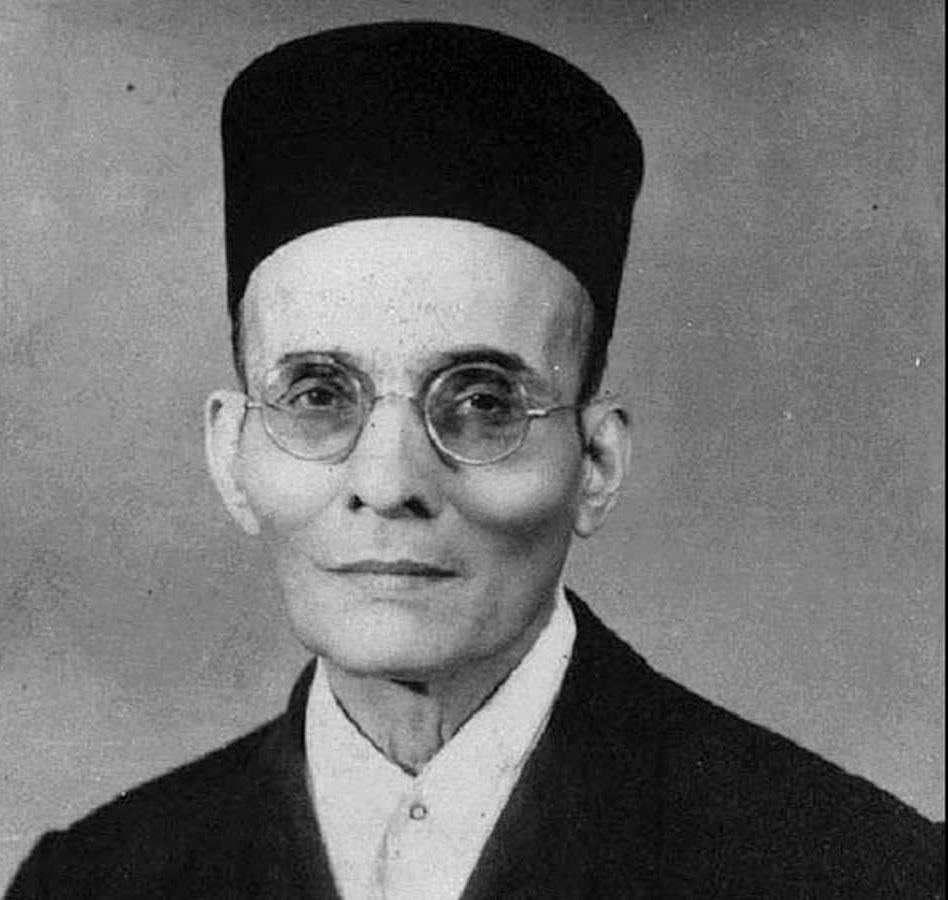 In 1911, Vinayak Damodar Savarkar was convicted under two counts of life imprisonment (50 years), because of his revolutionary work. He has gone through solitary confinement, brutal work, and ill health conditions and even then he wrote and motivated his fellow prisoners.
Batukeshwar Dutt
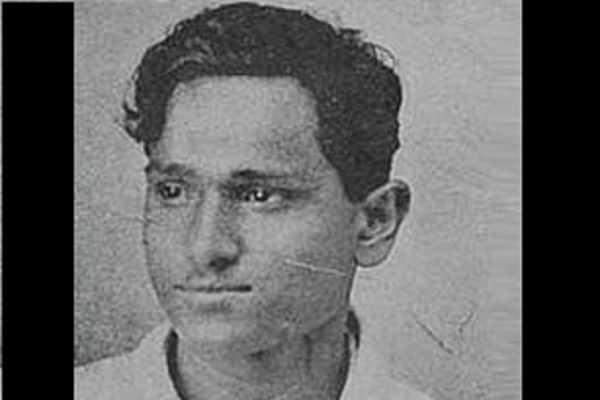
Batukeshwar Dutt was an associate of Bhagat Singh who was sent into Kaala Pani following an ambush of Legislative Assembly Bombing in 1929. He never quit his revolutionary ideas despite the inhuman treatment.
Barindra Kumar Ghosh

Sri Aurobindo is a brother; Barindra Kumar Ghosh was tried and sentenced in the Alipore Bomb Case (1909) and served life in the Cellular Jail. He was there for more than 10 years and was released in 1920.
Sachindra Nath Sanyal

Sanyal was a founder member of the Hindustan Republican Association and served twice in the Kaala Pani due to his involvement in conspiracy cases in the revolution. Younger revolutionaries, such as Bhagat Singh were inspired by his leadership.
Trailokya Nath Chakraborty

Among other things he remained in the Cellular Jail for more than 12 years, defying the authorities and urging fellow inmates to join him in a bid to win independence.
Yogendra Shukla

Yogendra Shukla was a founding member of the Hindustan Socialist Republican Association, who was brutally treated in Kaala Pani yet not giving up on his belief of attaining the independence of India.
Balwant Phadke Vasudev

Dubbed as the Father of the Indian Armed Revolt, Phadke was taken under custody after an armed uprising against the British and was sent to Kaala Pani where he kept growing nebulous until his demise.
Ullaskar Dutta
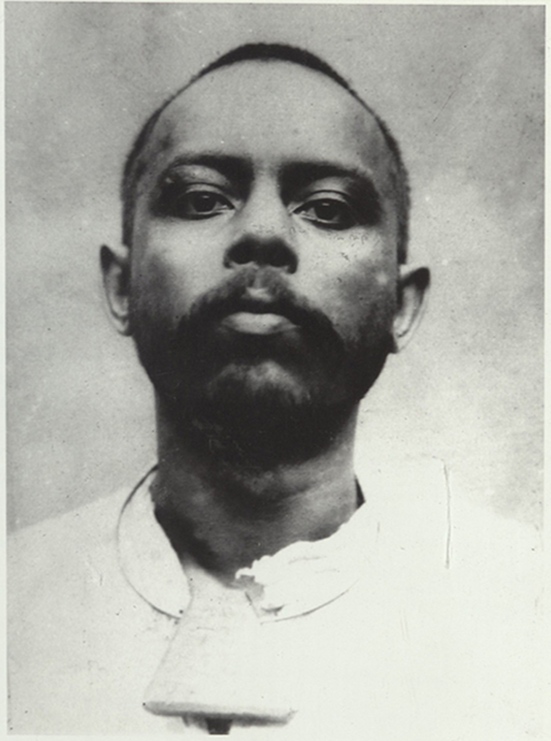 Sentenced to the Alipore Bomb Case, Ullaskar Dutta was most physically and mentally tortured by the convicts in the Kaala Pani but continued nationalist fire by writings.
Mahavir Singh

Mahavir Singh was a young revolutionary who was lodged in the Cellular Jail because of his participation in revolutionary movements after which he died as a result of forced feeding in a hunger strike.
Kaala Pani was constructed to break the will of the Indian fighters in the name of freedom, to isolate, starve them and make their experience hell by hard labor. But it turned out to be a furnace in which a daring and resolute spirit was tempered. The Cellular Jail is a National Memorial today, and holds memories of the sacrifice made by the inmates who bore the torture and agony of this jail so that India could be free.
ALSO READ: Independence Day 2025: Delhi Metro Timings, Security Measures, and Commuter Guidelines




