
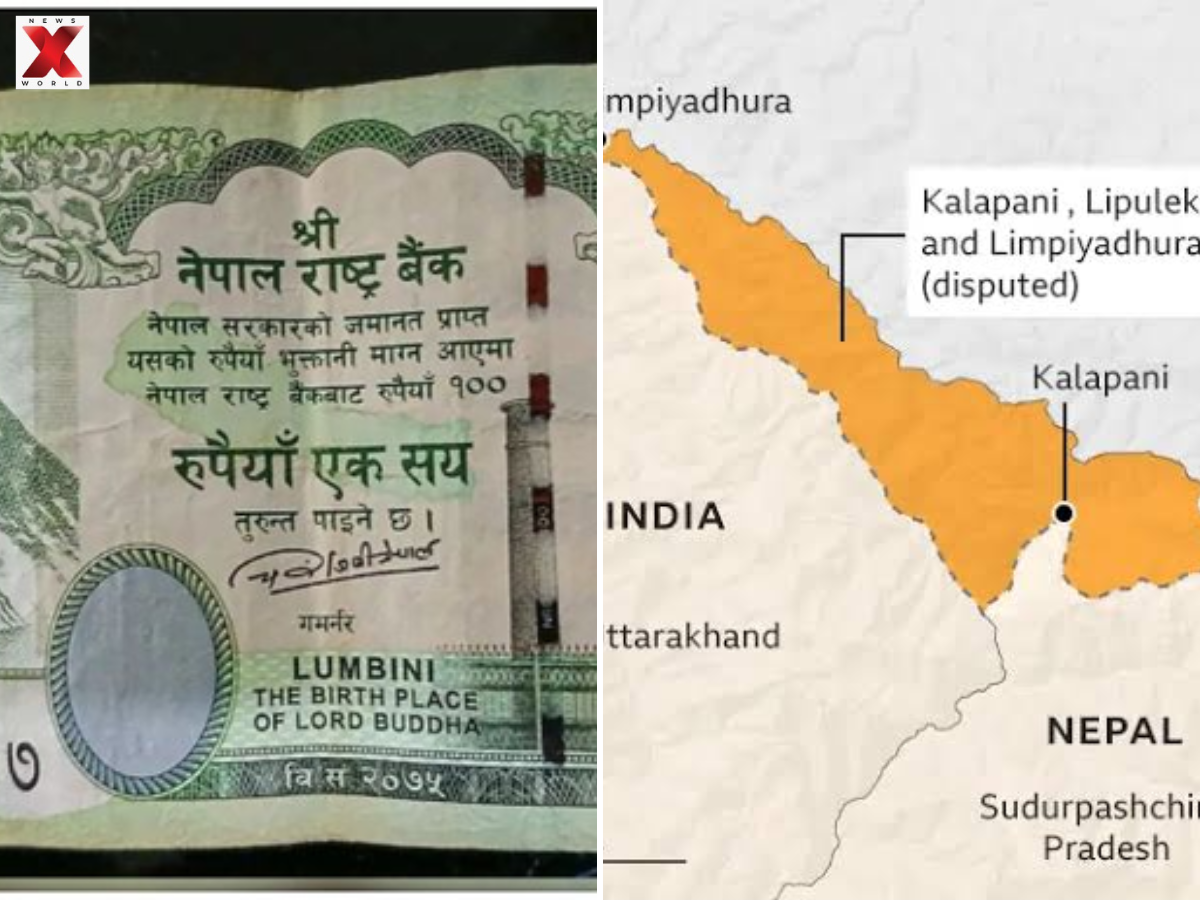

Nepal New 100 Rupee Note with Disputed Map: Nepal has rolled out a new NPR 100 banknote, and it’s already making waves. This updated note features a map of the country front and center including the disputed regions of Kalapani, Lipulekh, and Limpiyadhura.
These areas have been a point of contention for years, but Nepal is making its position clear by putting them right on the currency. The note itself hasn’t changed much in size or colour.
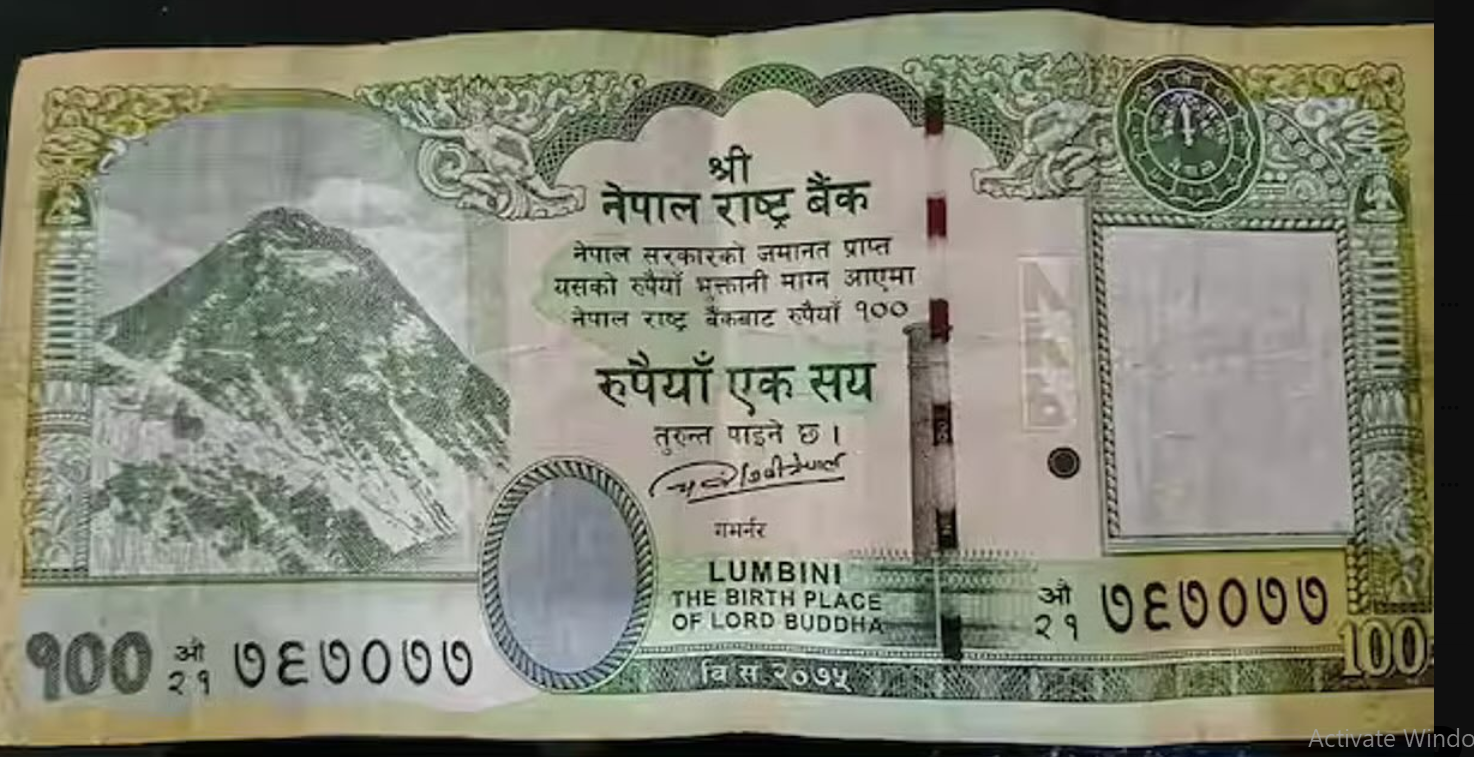
You’ll still see Mount Everest on the left, the Rhododendron watermark on the right, and now, that bold map in the middle. For added security, there’s a Braille dot for the visually impaired, along with some other upgraded features.
What is the new Rs.100 note of Nepal raising eyebrows?
After Nepal amended its constitution back in May 2020, these disputed regions officially became part of the country’s political map. Nepal argues that the source of the Kali River places these territories within its borders. India strongly disagrees, holding on to its own historical and legal claims.
How did India react to the new controversy?
India isn’t happy about the changes. Officials in New Delhi quickly dismissed Nepal’s new note as a one-sided move that doesn’t actually shift anything on the ground. They called it an artificial expansion of Nepal’s claims and made it clear that, as far as India’s concerned, these territories remain Indian.
The new NPR 100 note isn’t just about the map. There’s an oval portrait of Maya Devi printed in silver ink, the signature of former governor Maha Prasad Adhikari, and the series number “2081” in Nepali numerals.
You’ll also notice a color-shifting security thread, tactile marks for easier use by the visually impaired, and a nice illustration of a one-horned rhino with its calf.
#WATCH | Nepal released its new NPR 100 banknote, featuring an updated map that includes the disputed areas of Lipulekh, Limpiyadhura, and Kalapani.
In Delhi, Foreign Affairs Expert Robinder Sachdev says, “I see this as a logical continuation of their first step in which, in… pic.twitter.com/mdzRaPVGQq
— ANI (@ANI) November 28, 2025
What does this all mean for Nepal-India relations?
By putting those disputed regions on a banknote, Nepal is making a pretty strong statement about its sovereignty. It’s likely to add fuel to ongoing tensions and could make border negotiations even trickier. People who live and trade near the border might refuse to accept the new notes, which would throw a wrench into daily business and cross-border trade.
All in all, this new currency move could shake up trade and everyday life, especially in the border areas. Nepal’s sending a clear message about its territorial claims, but Indian traders aren’t keen on accepting the note. The situation could ramp up public pressure and force both governments back to the negotiating table over the border dispute.
What Are The Key Disputed Territories Between India And Nepal?
India and Nepal have been arguing for years over a patch of land up in the Himalayas i.e. Kalapani, Lipulekh, and Limpiyadhura. It’s the spot where the borders of India, Nepal, and China all come together, and things get especially tense because no one can agree exactly where the Kali River (or Mahakali, as Nepal calls it) actually begins. That matters, because the river forms the natural border.
Nepal says the river starts up at Limpiyadhura. If you go by that, the disputed land falls inside Nepal’s territory. India disagrees, saying the river starts further south, which would keep those areas i.e. Kalapani and Lipulekh in India’s Uttarakhand state.
Kalapani is one of the main flashpoints. India treats it as part of Uttarakhand, but Nepal insists it belongs to their Darchula district.
Then there’s the Lipulekh Pass, a busy trade route nearby that both countries see as strategically important. And finally, Limpiyadhura if it’s the true source of the river, as Nepal claims, then both Kalapani and Lipulekh would fall on Nepal’s side of the border.
ALSO READ: Vladimir Putin To Visit India On December 4, 5; For 23rd India-Russia Annual Summit: MEA




