
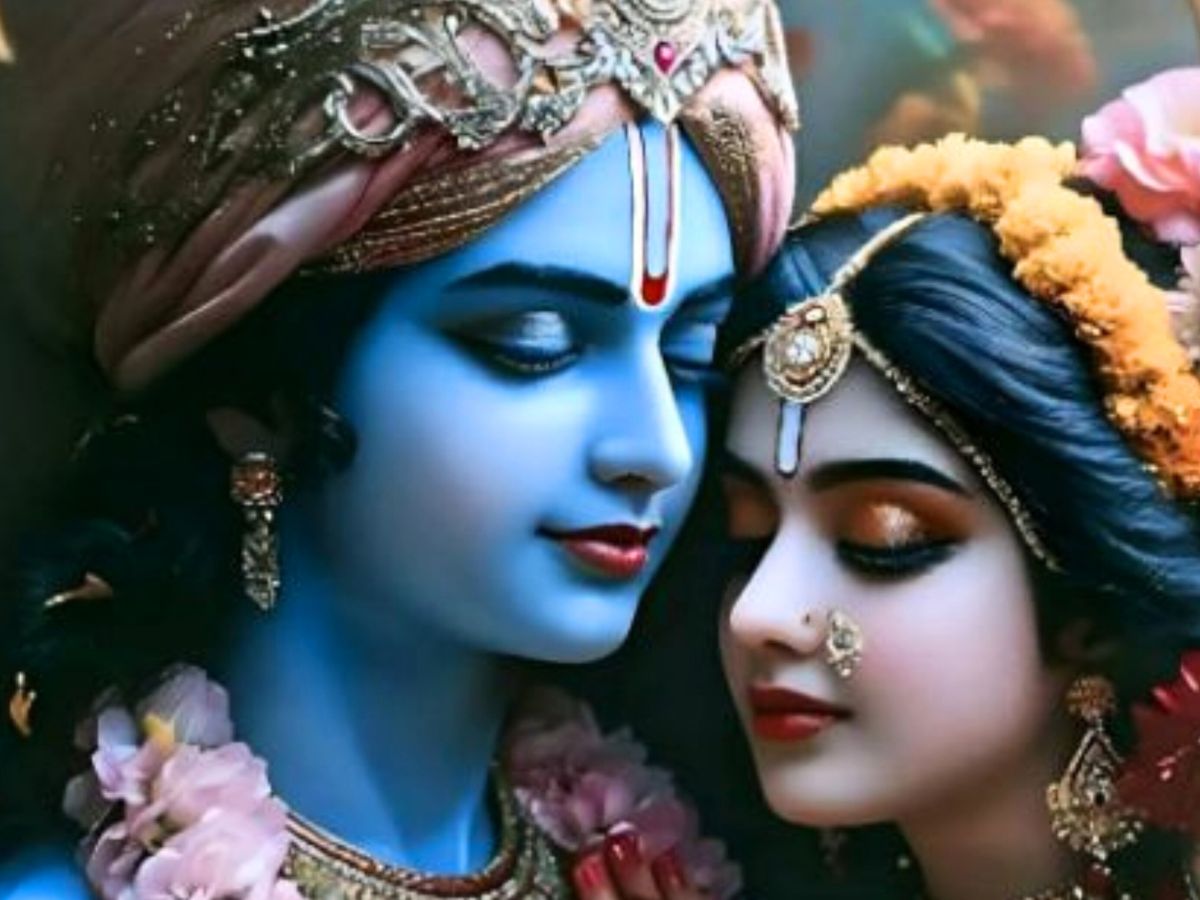

Phulera Dooj 2026 will be celebrated on February 19, 2026, marking an auspicious beginning to the Holi festivities with flowers instead of colours. Dedicated to Lord Krishna and Goddess Radha, the festival is widely observed in the Braj region and is considered one of the most favourable days in the Hindu calendar for weddings, new ventures and spiritual beginnings.
Phulera Dooj, also known as Phool Dooj, falls on the Dwitiya (second day) of Shukla Paksha in the month of Phalgun and is seen as a divine prelude to Holi.
Phulera Dooj 2026 Date and Timings
According to the Hindu calendar, Phulera Dooj will be observed on Thursday, February 19, 2026.
-
Dwitiya Tithi begins: February 18 at 4:57 pm
-
Dwitiya Tithi ends: February 19 at 3:58 pm
Devotees usually perform puja rituals during the Dwitiya Tithi on February 19.
Significance of Phulera Dooj
Phulera Dooj holds deep spiritual importance, especially for devotees of Lord Krishna. Unlike Holi, which is celebrated with colours and water, Phulera Dooj is marked by the offering of flowers, symbolising prosperity, joy and purity.
The festival is associated with divine love and harmony. Many believe that worshipping Lord Krishna and Goddess Radha on this day brings happiness, marital bliss and financial prosperity. In North India, the day is regarded as highly auspicious for marriages, engagement ceremonies and launching new businesses.
The floral celebrations also represent nature’s bloom during spring and the arrival of festive energy ahead of Holi.
Phulera Dooj Rituals and Traditions
On Phulera Dooj, devotees wake up early, take a ritual bath and clean their homes. Houses and temples are decorated with fresh flowers and colourful rangolis.
Idols of Lord Krishna and Goddess Radha are bathed with rose water, adorned with flowers and dressed in new clothes. A diya is lit and devotees chant Krishna mantras and bhajans.
Traditional bhog offerings include panjeeri, khoya barfi, makhana kheer, rice kheer, panchamrit and tulsi leaves. Couples often perform rituals together, exchange flowers and tie sacred threads to strengthen their bond.
Phulera Dooj Celebrations in Mathura and Vrindavan
Phulera Dooj is celebrated with great enthusiasm in Mathura and Vrindavan, the land associated with Lord Krishna.
Temples are beautifully decorated with flowers, and priests shower petals on devotees. Bhajans, kirtans and cultural performances fill the air with devotion. Flower processions are organised, marking the ceremonial beginning of Holi festivities in the Braj region.
Thousands of devotees visit temples to witness the vibrant celebrations and seek blessings.
Why Phulera Dooj Is Auspicious for Weddings and New Beginnings
Phulera Dooj is considered a “Sarva Siddha Muhurat” in many traditions, meaning it is inherently auspicious without the need to check a separate muhurat.
Because of its association with divine love and prosperity, many couples choose this day for weddings. Business owners and entrepreneurs also begin new ventures on this day, believing it ensures success and growth.
Phulera Dooj 2026: A Floral Prelude to Holi
While Holi is known for its colourful celebrations, Phulera Dooj focuses on devotion, flowers and spiritual bonding. The festival brings families and communities together in prayer and celebration, creating an atmosphere of joy and faith.
As Phulera Dooj 2026 approaches on February 19, devotees across India prepare to welcome the Holi season with flowers, prayers and blessings for a prosperous year ahead.
Sofia Babu Chacko is a journalist with over five years of experience covering Indian politics, crime, human rights, gender issues, and stories about marginalized communities. She believes that every voice matters, and journalism has a vital role to play in amplifying those voices. Sofia is committed to creating impact and shedding light on stories that truly matter. Beyond her work in the newsroom, she is also a music enthusiast who enjoys singing.




