
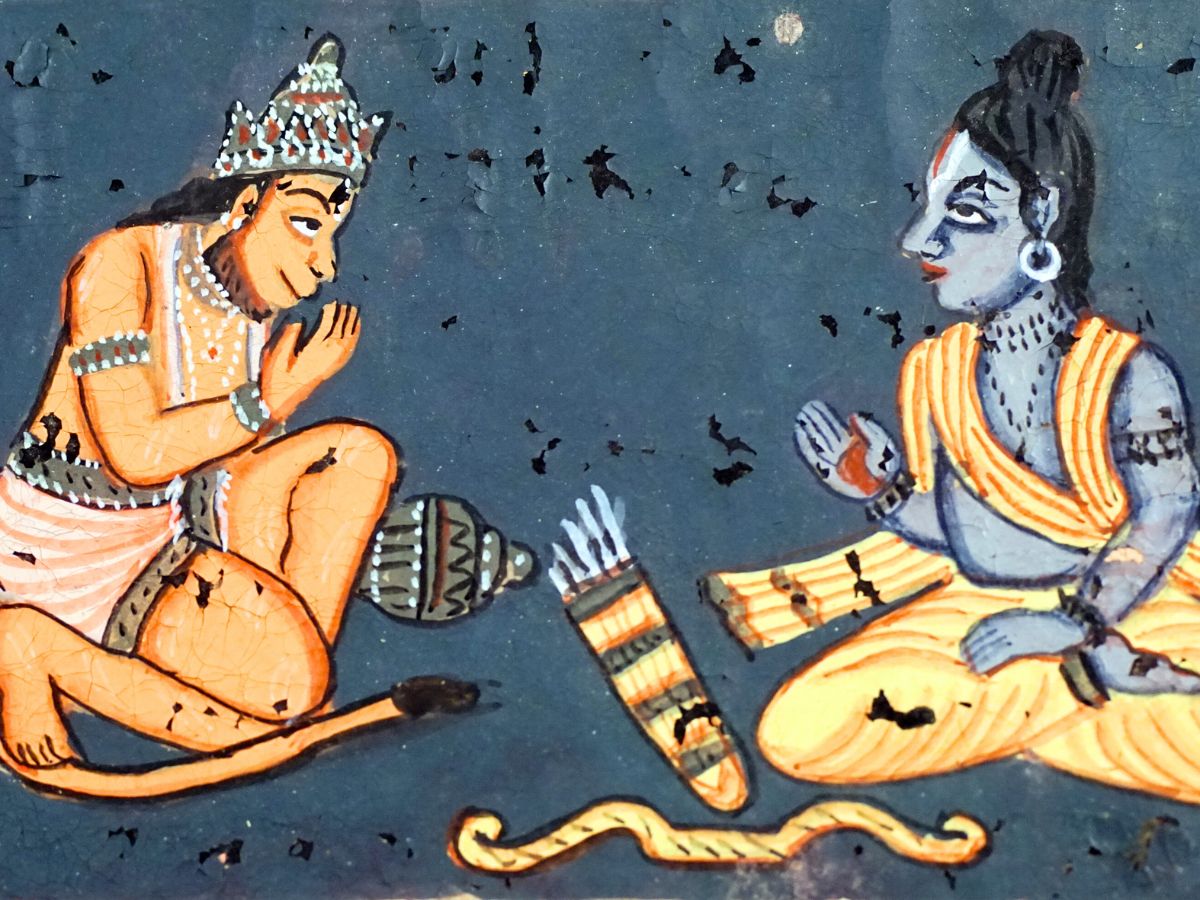

Ram Navami, one of the most significant Hindu festivals marking the birth of Lord Ram, will be observed in 2026 with some confusion around its exact date due to overlapping lunar timings. Celebrated on the ninth day (Navami) of the Shukla Paksha in the Chaitra month, the festival also marks the culmination of Chaitra Navratri.
Ram Navami 2026 Date: Why There Is Confusion
In 2026, the Navami Tithi begins on March 26 at around 11:48 AM and ends on March 27 at 10:06 AM.
Based purely on the start of the tithi, many calendars mark Thursday, March 26, 2026, as Ram Navami. However, according to the Udaya Tithi (the date prevailing at sunrise), which is widely followed for festivals, the observance extends to Friday, March 27, 2026 as well.
This overlap is the primary reason why devotees may celebrate Ram Navami on either day, depending on regional customs and religious preferences.
Ram Navami 2026 Muhurat And Puja Timings
The most important time for worship on Ram Navami is the Madhyahna Muhurat, believed to be the moment of Lord Ram’s birth.
-
March 26, 2026 (Thursday)
Madhyahna Muhurat: 11:15 AM to 01:43 PM
Madhyahna Moment: 12:29 PM -
March 27, 2026 (Friday)
Madhyahna Muhurat: 11:14 AM to 01:43 PM
Madhyahna Moment: 12:28 PM
Devotees typically perform puja during this midday window, offering prayers, chanting hymns, and visiting temples dedicated to Lord Ram.
Significance Of Ram Navami
Ram Navami celebrates the birth of Lord Ram, an incarnation of Lord Vishnu and a central figure in the epic Ramayana. The day holds deep spiritual significance, symbolising righteousness (dharma), virtue, and the victory of good over evil.
It is also the final day of Chaitra Navratri, with many devotees concluding their fasts and performing Kanya Puja.
Fasting And Food Traditions
Fasting is an important aspect of Ram Navami observance. Devotees follow different types of fasts—some abstain from food until noon, while others consume only fruits, दूध-based items, and light sattvic meals.
Food prepared on this day is strictly sattvic, avoiding onion, garlic, and heavy spices. Instead, simple and easily digestible dishes are preferred to maintain spiritual focus.
Traditional Foods And Prasad
A variety of traditional dishes are prepared both as prasad and for fasting meals:
-
Sabudana khichdi
-
Kuttu or singhare ke pakore
-
Simple aloo dishes
-
Fruit chaat
-
Kheer
One of the most important offerings is panakam, a cooling jaggery-based drink popular in South India. Other common prasad items include panchamrit and fresh fruits, which are later distributed among devotees.
Why Sattvic Food Matters
Sattvic food is considered pure and beneficial for both body and mind. On Ram Navami, such meals help devotees stay calm, focused, and spiritually aligned while observing fasts and performing rituals.
With its deep religious importance and rituals centred around devotion and simplicity, Ram Navami continues to be widely celebrated across India.
In 2026, devotees are advised to check local customs and follow either March 26 or March 27 for observance, especially focusing on the Madhyahna Muhurat for performing the main पूजा rituals.
Sofia Babu Chacko is a journalist with over five years of experience reporting on Indian politics, crime, human rights, gender issues, and stories about marginalized communities. She believes journalism plays a crucial role in amplifying unheard voices and bringing attention to issues that truly matter. Sofia has contributed articles to The New Indian Express, Youth Ki Awaaz, and Maktoob Media. She is also a recipient of the 2025 Laadli Media Awards for gender sensitivity. Beyond the newsroom, she is a music enthusiast who enjoys singing. Connect with Sofia on X: https://x.com/SBCism




