
From Banarasi To Kanjeevaram: 8 Famous Traditional Sarees from North to South – In Pics
India is a land of diversity, from culture to languages, there is a co-existence of these varieties contributing to India’s rich heritage. Among these diversities, Sarees are probably the most elegant six yards of traditional clothes that women wear in India. They weave in tradition with garments. From the Banarasi Saree of Uttar Pradesh to the Bandhani Saree of Rajasthan, every region offers their unique interpretation of drapes. These sarees are the symbol of craftsmanship in practice across generations. Let’s take a look at Eight most famous sarees worn across India.
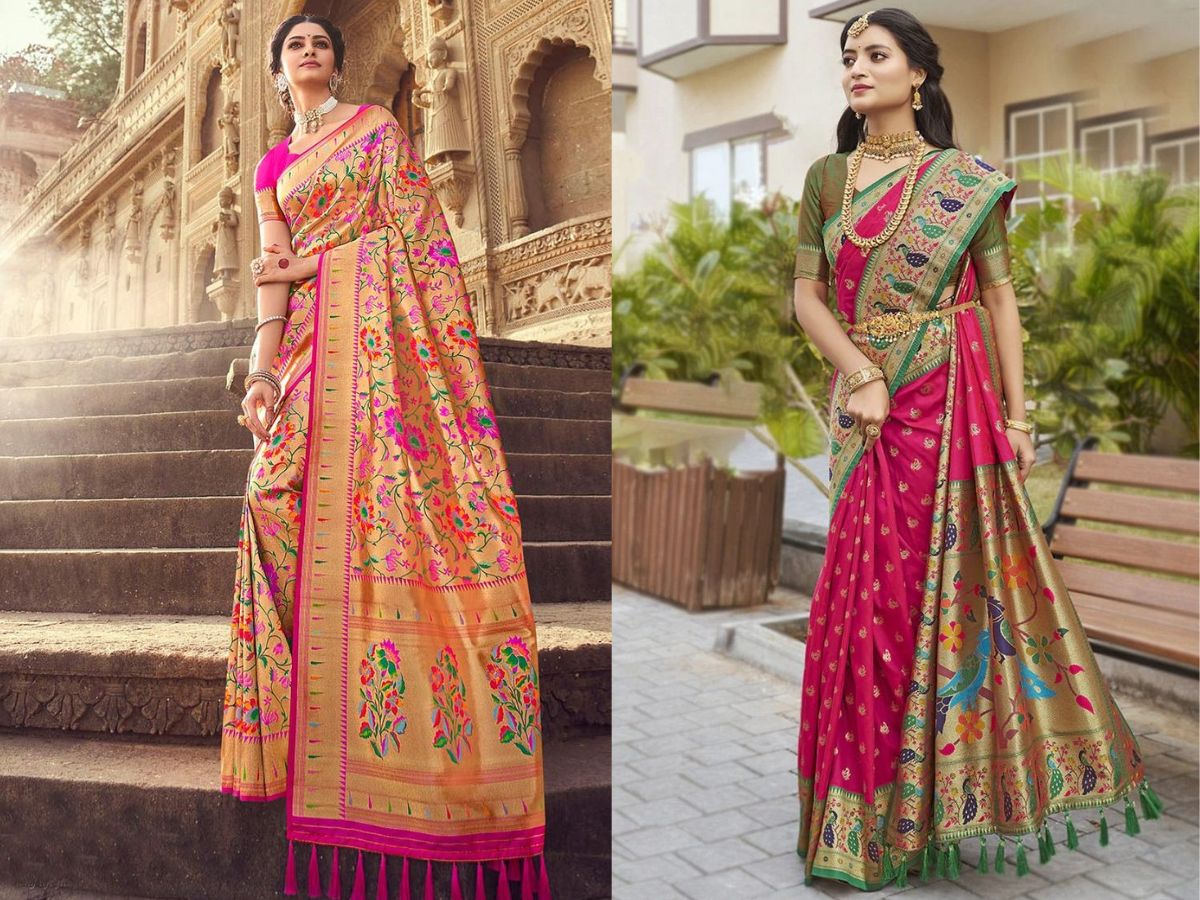
Banarasi Saree, Uttar Pradesh
Banarasi saree is known for its rich brocade work. The textile is typically fine silk which is intricately woven with zari (gold or silver threads) to create patterns like florals, foliage, and kalga or bel designs. Traditionally, it is draped around the body, with one end pleated and tucked into the waistband, and the other end (pallu) draped over the shoulder.
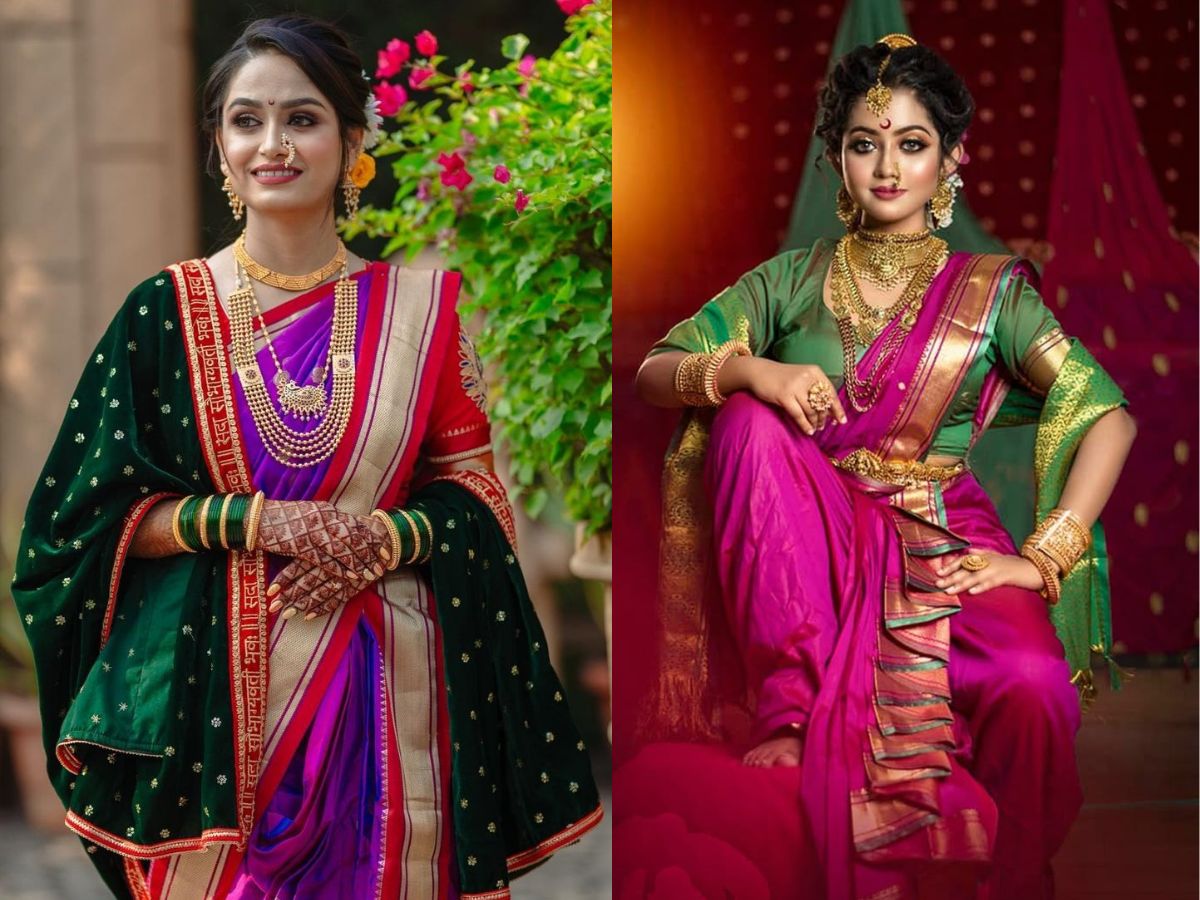
Paithani Saree, Maharashtra
These sarees are characterized by its exquisite peacock, lotus, and other nature-inspired motifs. This saree is handwoven from silk often using bright, contrasting colors. It is typically worn in the traditional Marathi style, often with the pallu draped from back to front.
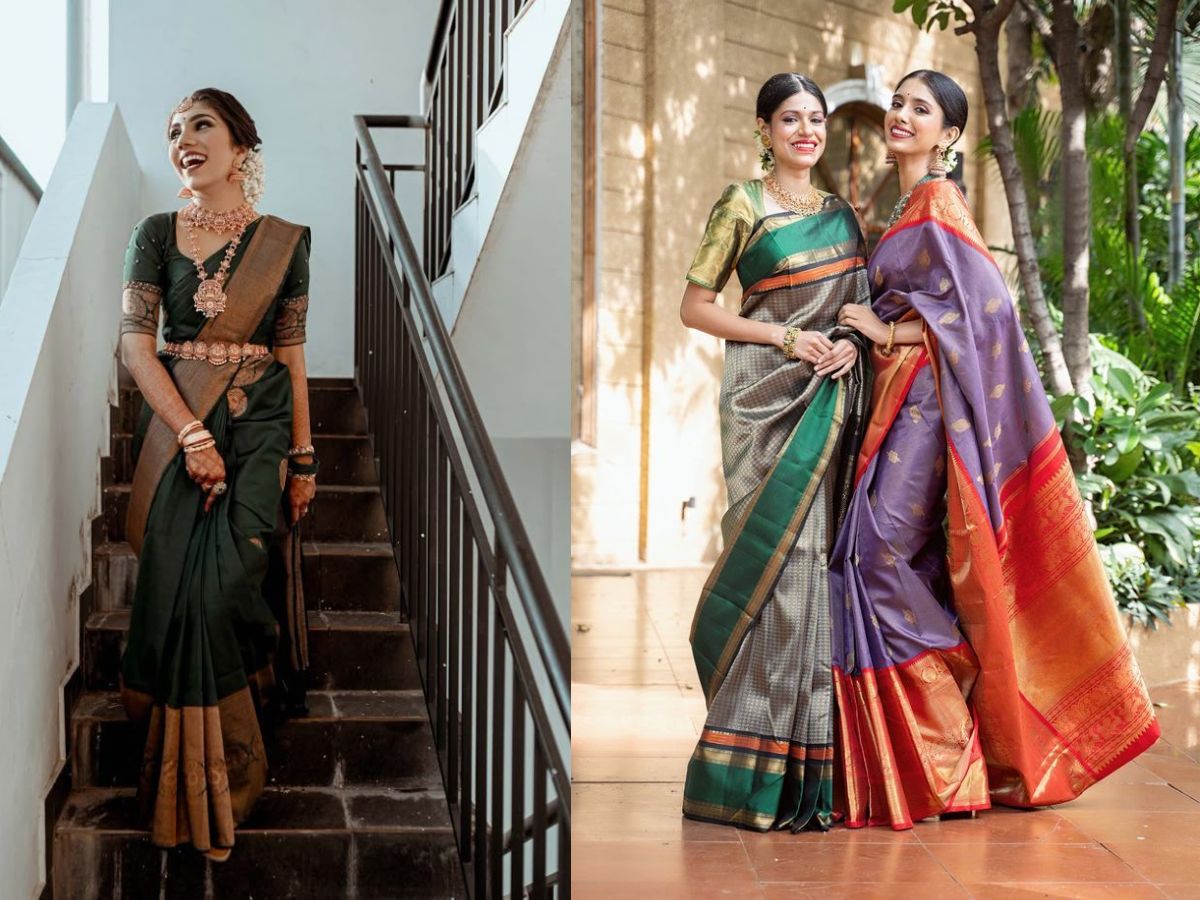
Kanjeevaram Saree, Tamil Nadu
These sarees are famous for their rich silk fabric and contrasting borders. These sarees are made from pure mulberry silk, with the body and border woven separately and then interlocked, making them extremely durable. It is commonly draped in the Nivi style, where the pallu is pleated and pinned on the left shoulder.
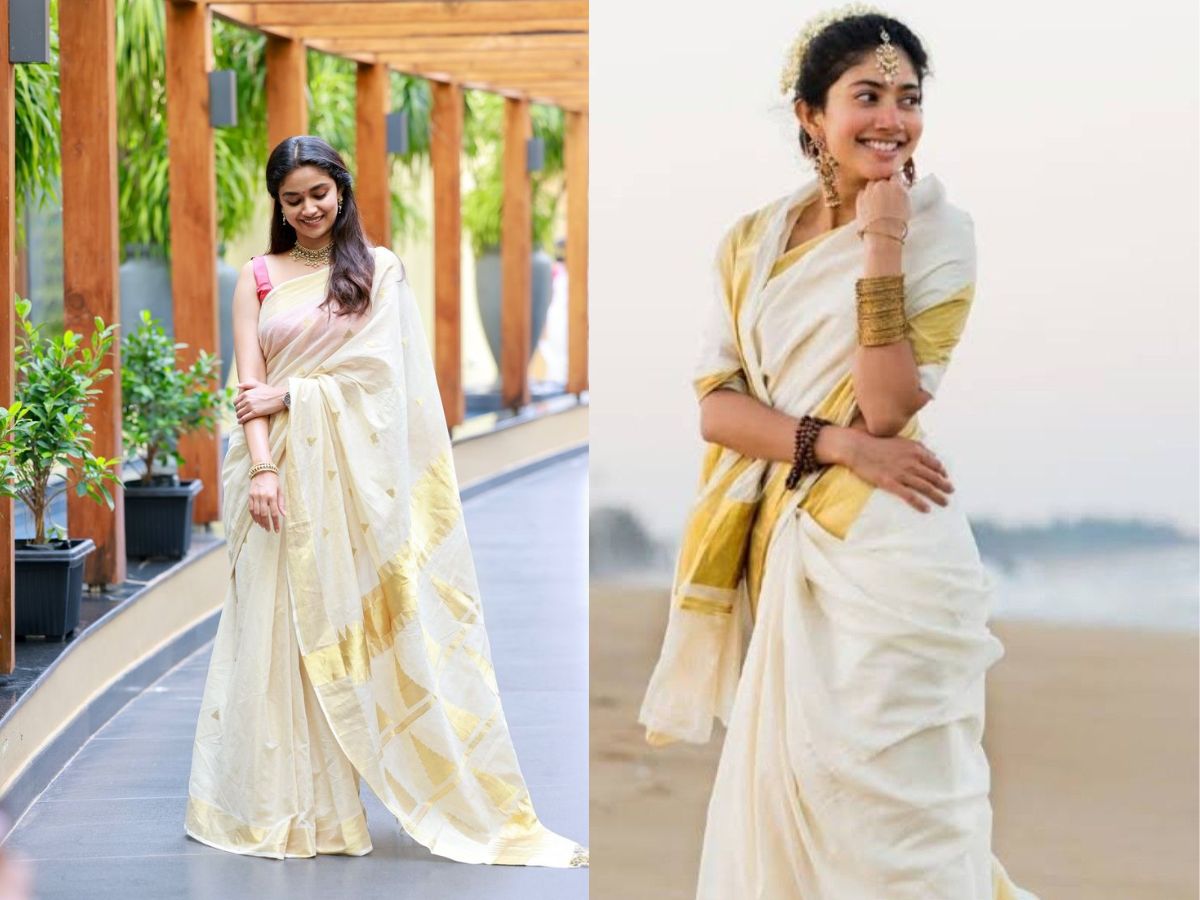
Kasavu Saree, Kerala
These sarees are distinguished by their off-white or cream body and golden border. This saree is typically made from cotton or a cotton-silk blend, with the golden border woven with real gold thread or zari. It is traditionally worn by women in Kerala, often draped simply with the pallu tucked in at the waist or draped over the shoulder.
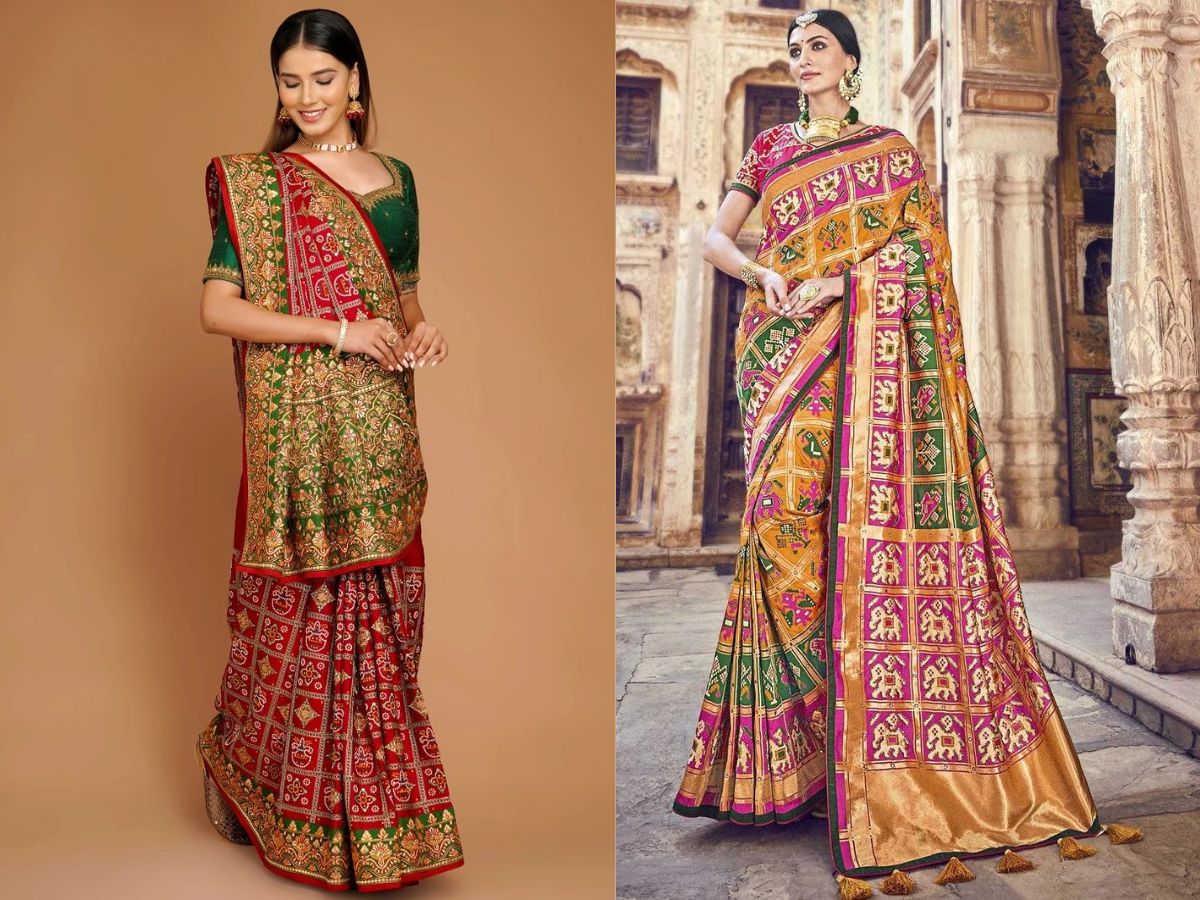
Patola Saree, Gujarat
Famous for its double ikat weaving technique, which creates identical patterns on both sides of the fabric, Patola sarees are made from silk and often feature intricate geometric patterns. These sarees also incorporate motifs of elephants, parrots, and flowers. It is usually worn in the traditional Gujarati style, with the pallu draped from back to front or over the right shoulder.

Sambalpuri Saree, Odisha
It is traditional handwoven bandha (ikat) sari wherein the warp and the weft are tie-dyed before weaving. These sarees are typically made from silk or cotton and feature traditional motifs like conch shells, wheels, and flowers, often in vibrant colors. It is commonly worn in the Nivi style, with the pallu draped over the left shoulder.
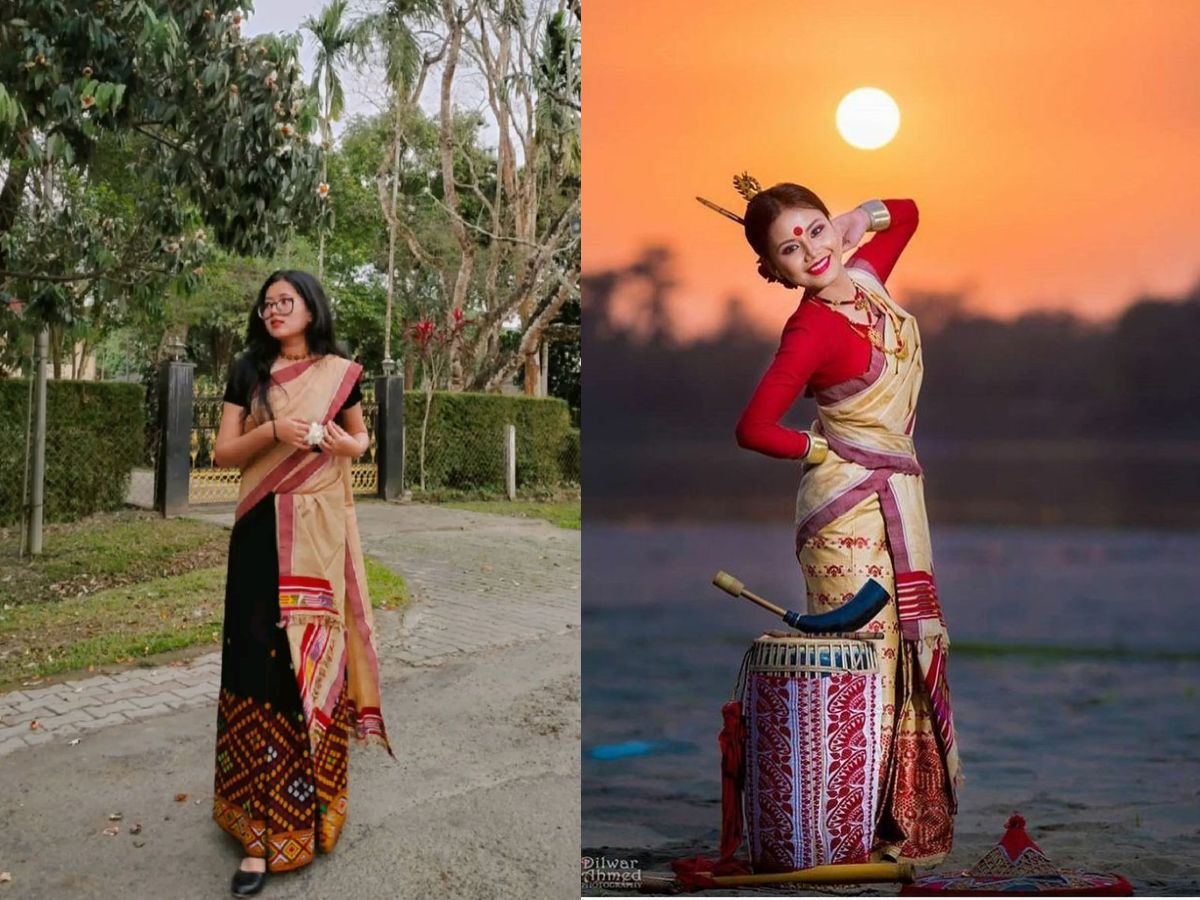
Muga Silk Mekhela Chador, Assam
It is a traditional Assamese attire consisting of two main pieces. The Mekhela is a cylindrical skirt, and the Chador is a long piece of cloth draped over the upper body. It is made from the rare golden Muga silk and is known for its natural sheen and durability. It often features intricate traditional Assamese motifs woven into the fabric.

Bandhani Saree, Rajasthan
Recognized by its distinctive tie-and-dye patterns, these sarees are made by tying small knots on the fabric (usually cotton or silk) before dyeing, creating a variety of patterns like dots, squares, and waves. It is often worn draped in the Nivi style, or in regional variations, showcasing the vibrant and intricate designs




