
In Pics: 10 Leaders Whose Name Has Been Taken Down From History Textbooks
Over the years, several prominent leaders have had their names reduced or completely removed from school history textbooks in various parts of the world, including India. This often happens due to changing political narratives, ideological biases, or curriculum revisions. Leaders like Maulana Abul Kalam Azad, Jawaharlal Nehru, Subhas Chandra Bose, and others have seen their names removed partially from the textbooks. The removal typically reflects attempts to reshape collective memory, either to highlight new heroes or to downplay ideologies that conflict with those who opt for change.
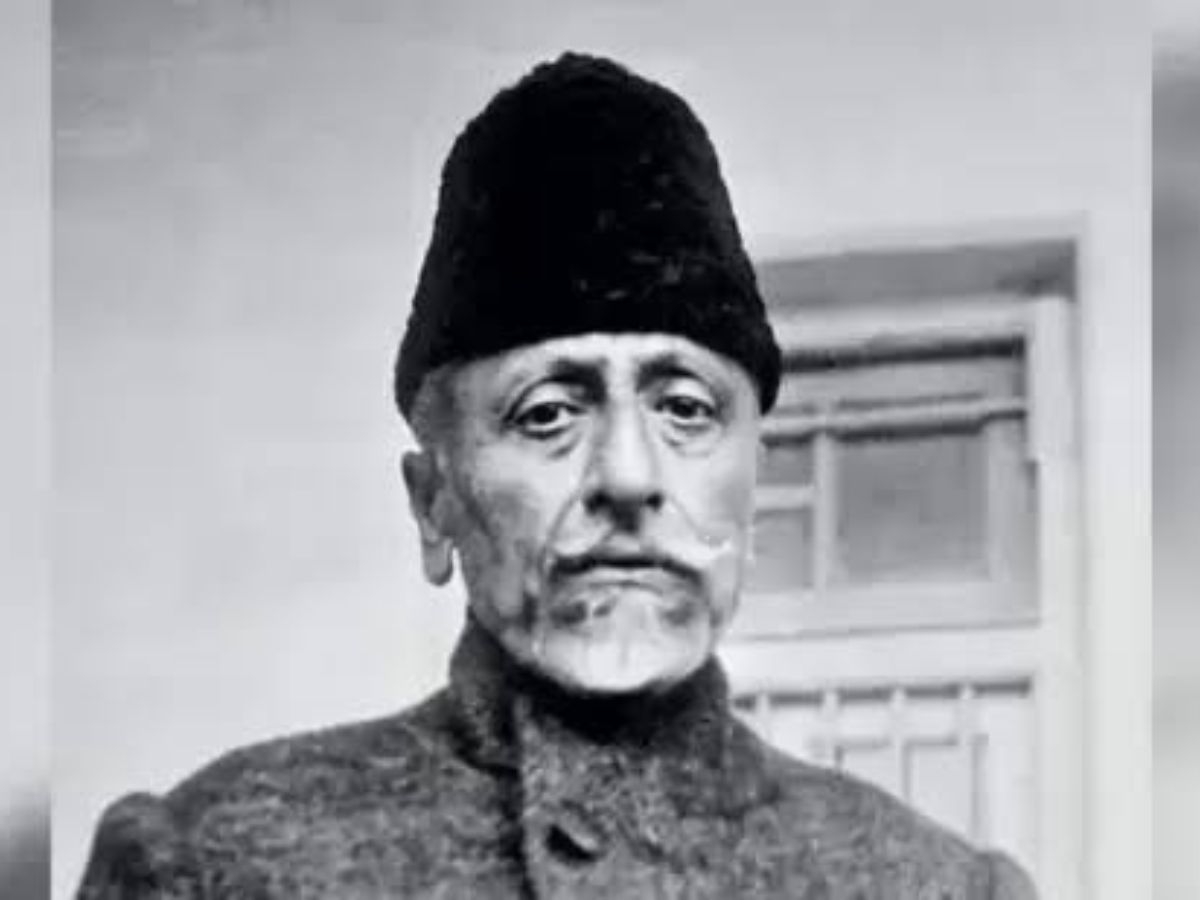
Maulana Abul Kalam Azad
Maulana Azad, India’s first Education Minister and a key figure in the freedom struggle, has seen his name omitted from sections detailing the country's early education policies in recent NCERT textbook revisions. Known for his emphasis on secularism and inclusive education, Azad played a foundational role in shaping India’s modern schooling system. His removal is widely viewed as part of an effort to reduce the visibility of Muslim leaders in India’s post-independence narrative, a move that has sparked criticism from historians and educators.
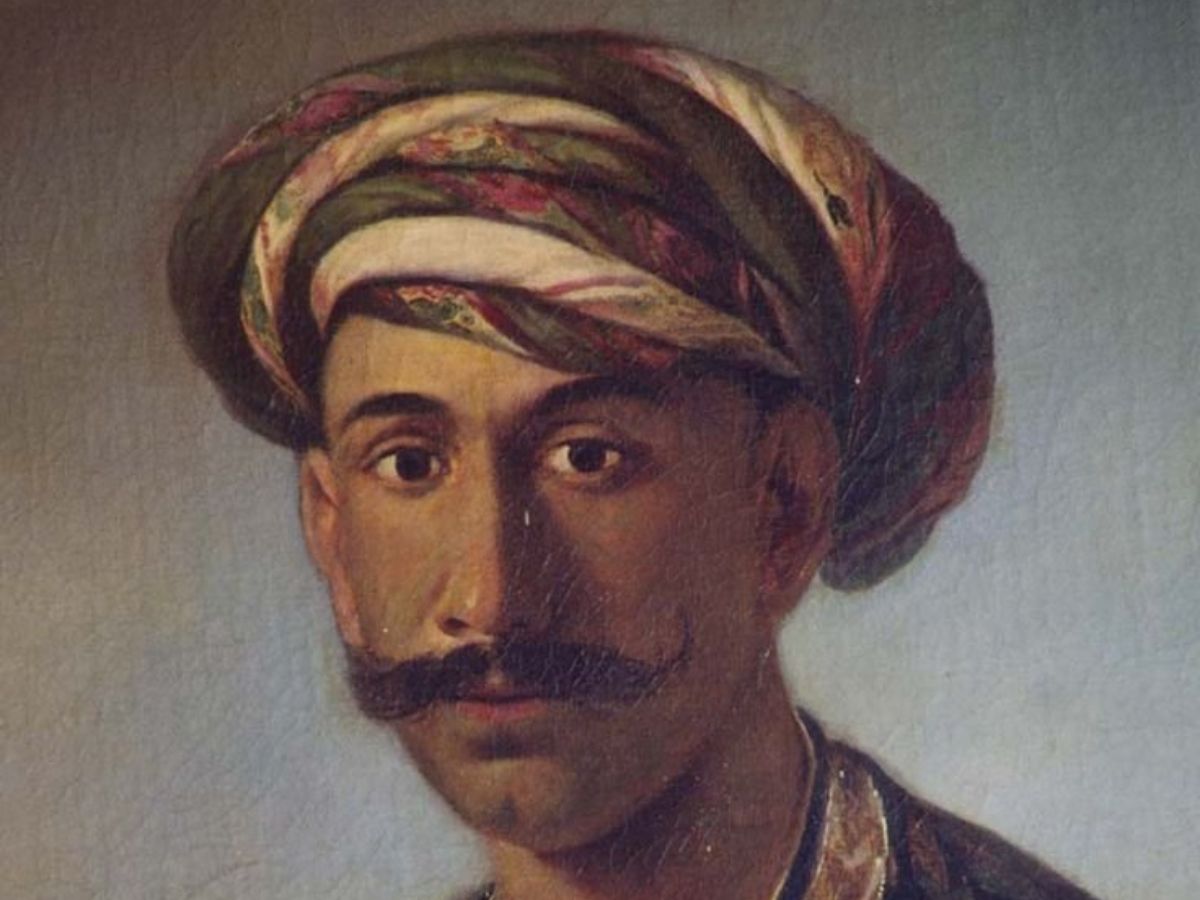
Tipu Sultan
Tipu Sultan, the 18th-century ruler of Mysore who fiercely resisted British colonial rule, has been removed from Class 6 and 7 history textbooks in Karnataka. Although many historians regard him as a nationalist and a pioneer in military innovation, political factions argue he was intolerant and authoritarian. His legacy remains polarizing, and the state government's decision to delete his chapter was justified on the grounds of “controversial” content, raising concerns about communal bias in historical representation.
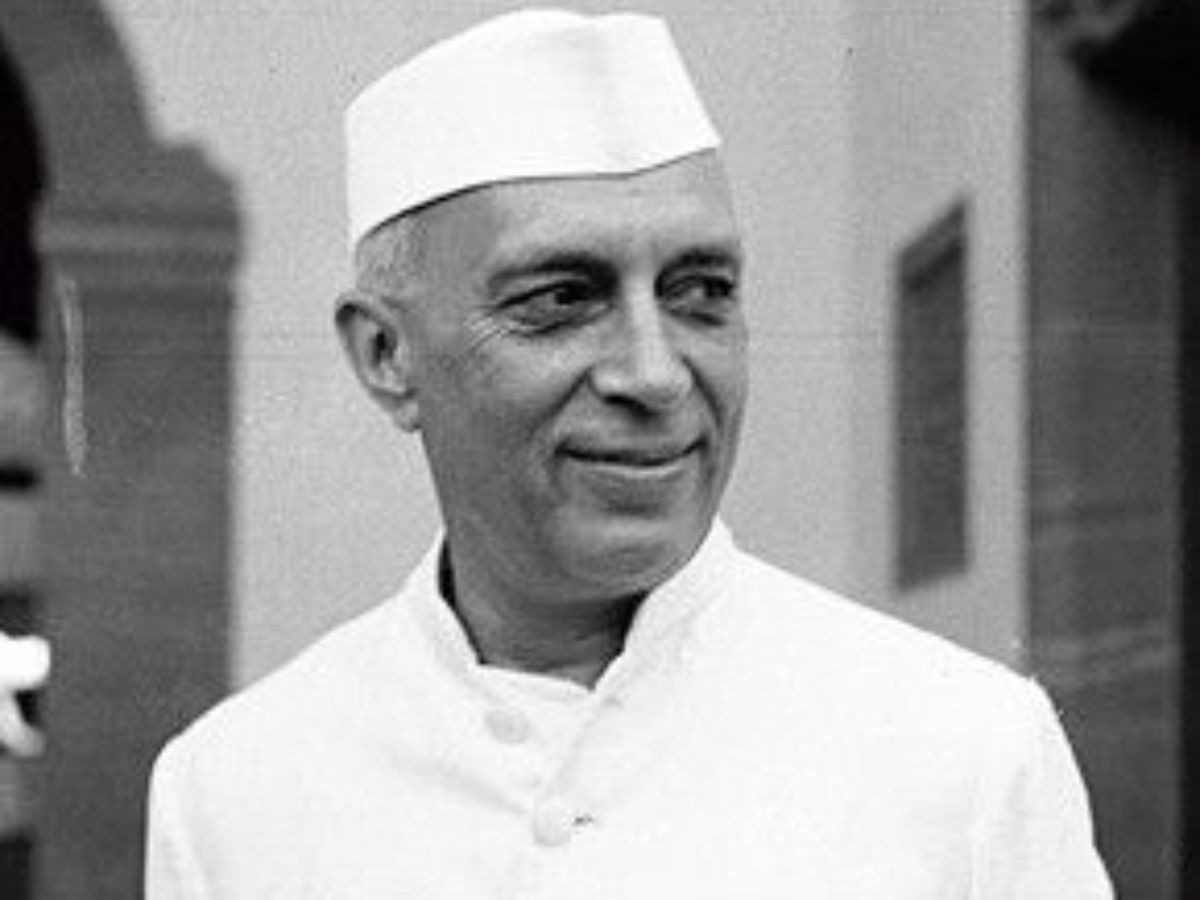
Jawaharlal Nehru
Jawaharlal Nehru, India’s first Prime Minister and a chief architect of its democratic institutions, has seen significant portions of his contributions reduced or omitted in recent NCERT textbooks. Mentions of his leadership during Partition, foreign policy principles like non-alignment, and institution-building efforts have been trimmed. While officials cite curriculum rationalization, critics argue this is a deliberate attempt to shift attention away from the Congress party’s foundational role in India’s early years and reshape political memory.
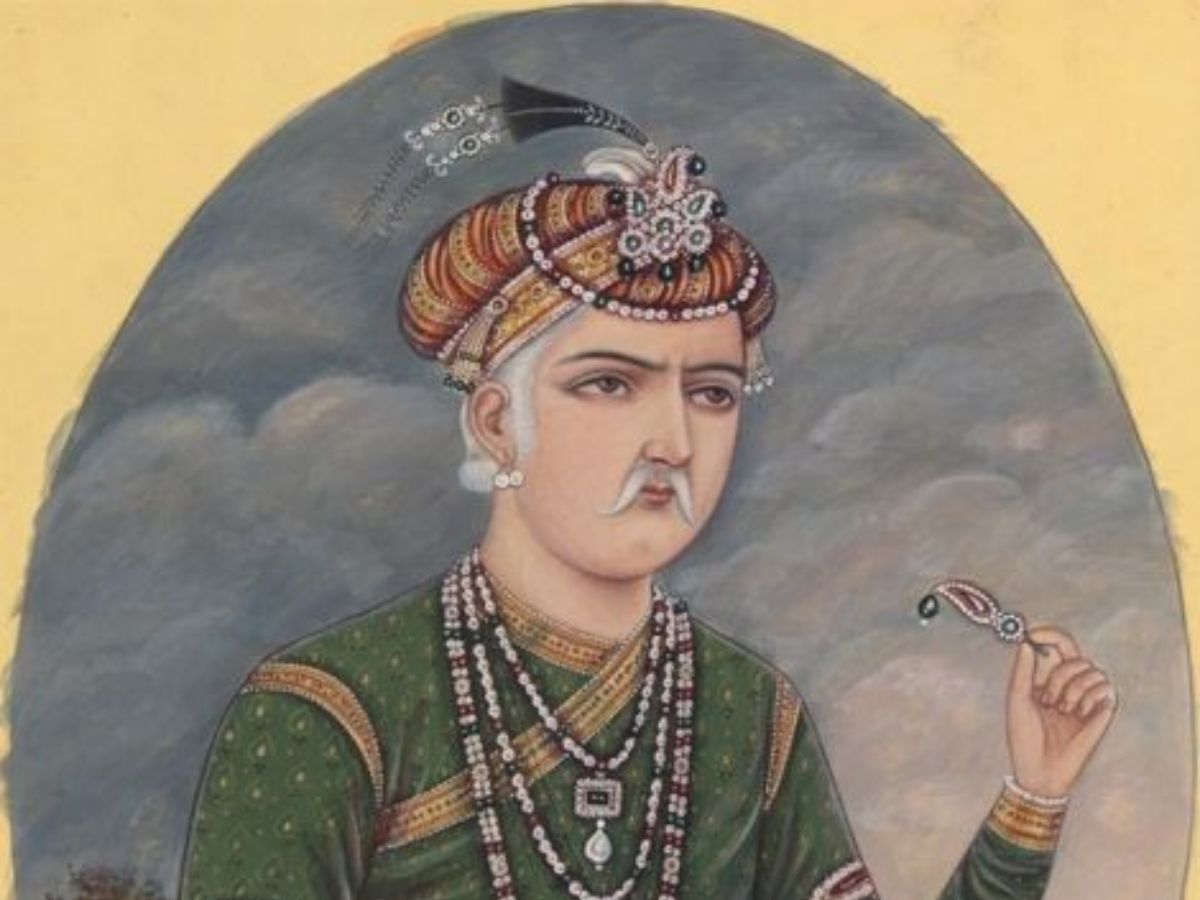
Akbar
Akbar, one of the most prominent Mughal emperors known for his policies of religious tolerance and administrative innovation, has seen reduced emphasis in certain state board textbooks, particularly in Rajasthan. Some revisions have replaced Akbar’s prominence with that of Hindu rulers like Maharana Pratap. These changes are often framed as correcting historical imbalances, but historians warn that sidelining Akbar distorts the rich, syncretic legacy of India’s Mughal era and promotes a narrow, identity-driven version of history.
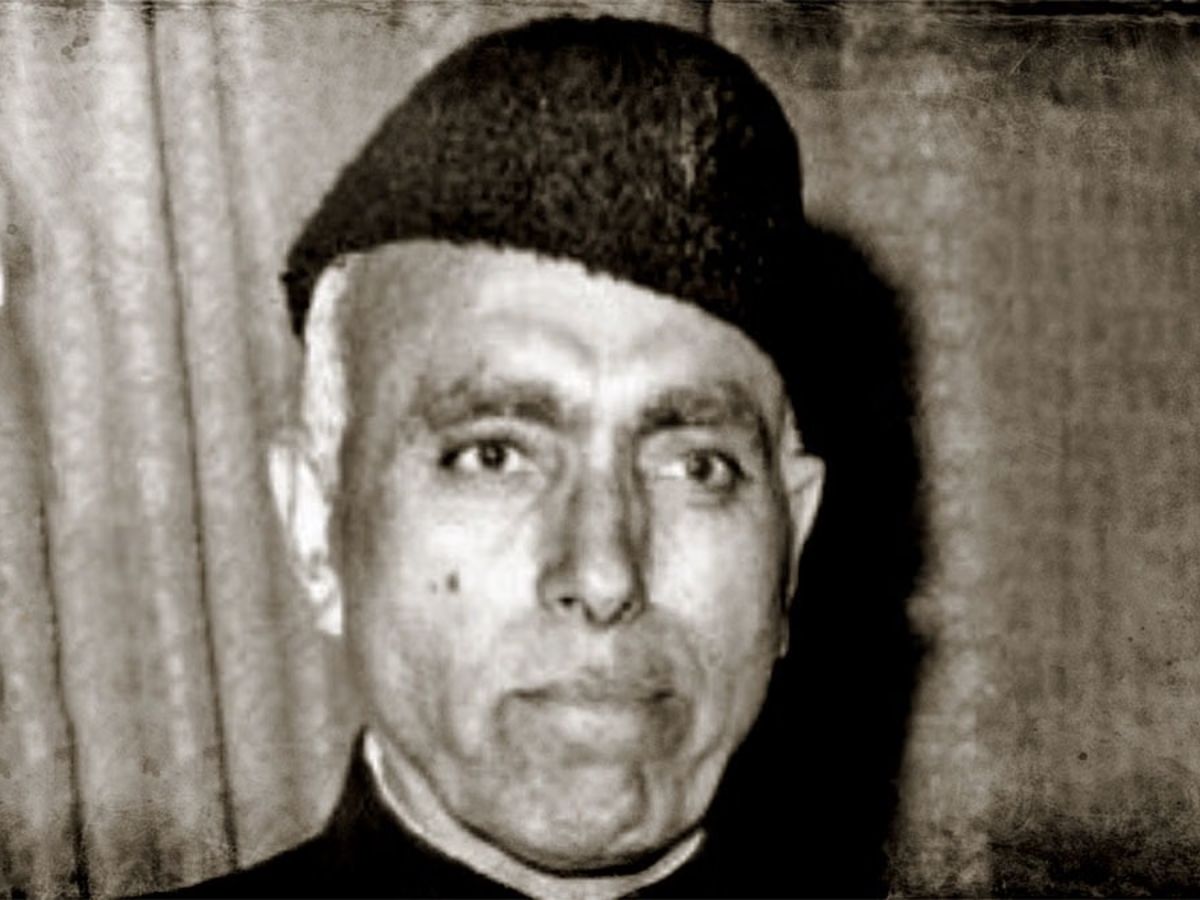
Sheikh Abdullah
Sheikh Abdullah, the founding father of modern Kashmir politics and the architect of Jammu and Kashmir’s integration into India, has had his name removed from Class 12 Political Science textbooks. Once a central figure in chapters on India’s federal structure and Kashmir’s accession, his removal coincides with the 2019 abrogation of Article 370. Critics argue that the change is aimed at recasting the political narrative of Kashmir by excluding regional voices that emphasized autonomy and secularism.
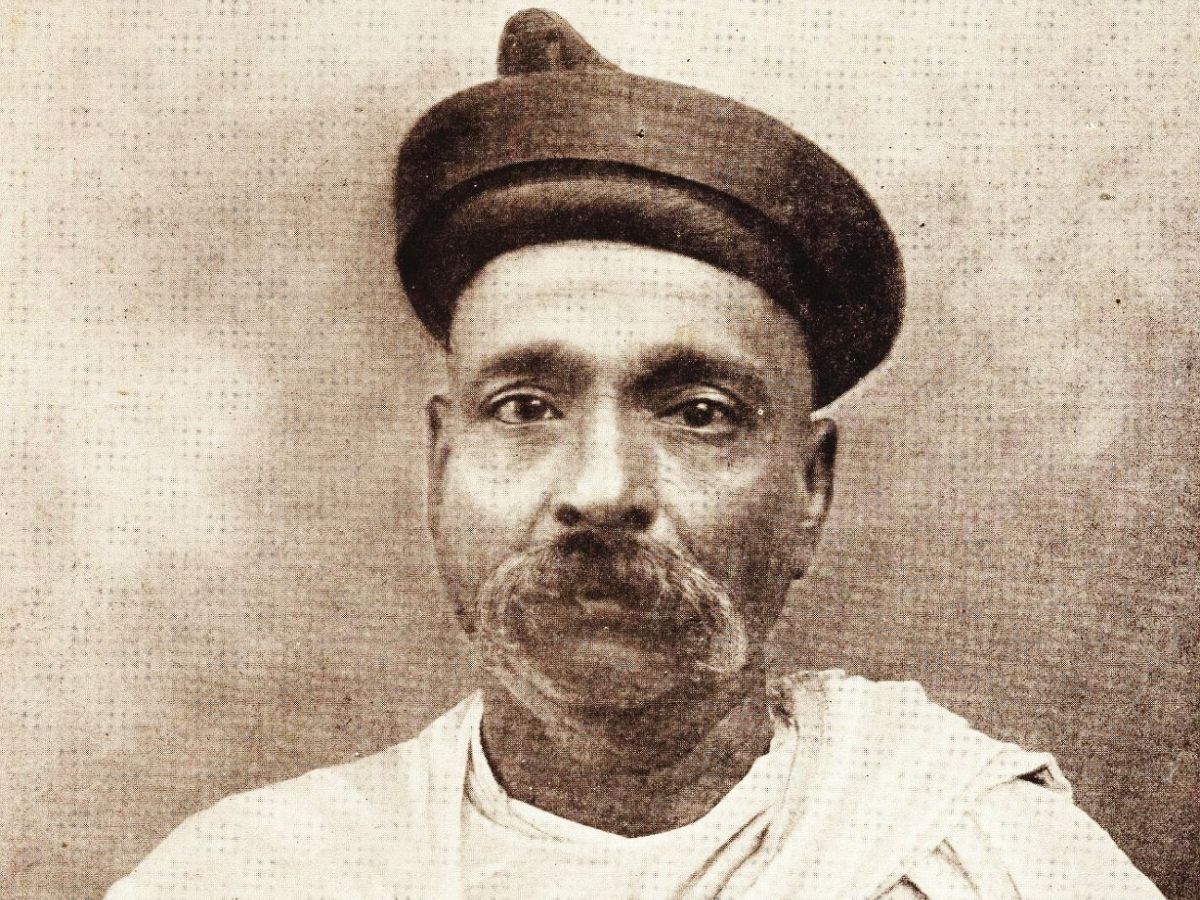
Bal Gangadhar Tilak
Bal Gangadhar Tilak, a firebrand nationalist and one of the earliest leaders of the Indian freedom struggle, has seen his representation reduced in school textbooks. Known for popularizing the slogan “Swaraj is my birthright,” Tilak’s assertive stance against British rule once formed a core part of nationalist history chapters. The recent reduction in emphasis may stem from a shifting focus toward moderate leaders or may reflect a discomfort with his blend of religious and political activism in today’s educational discourse.
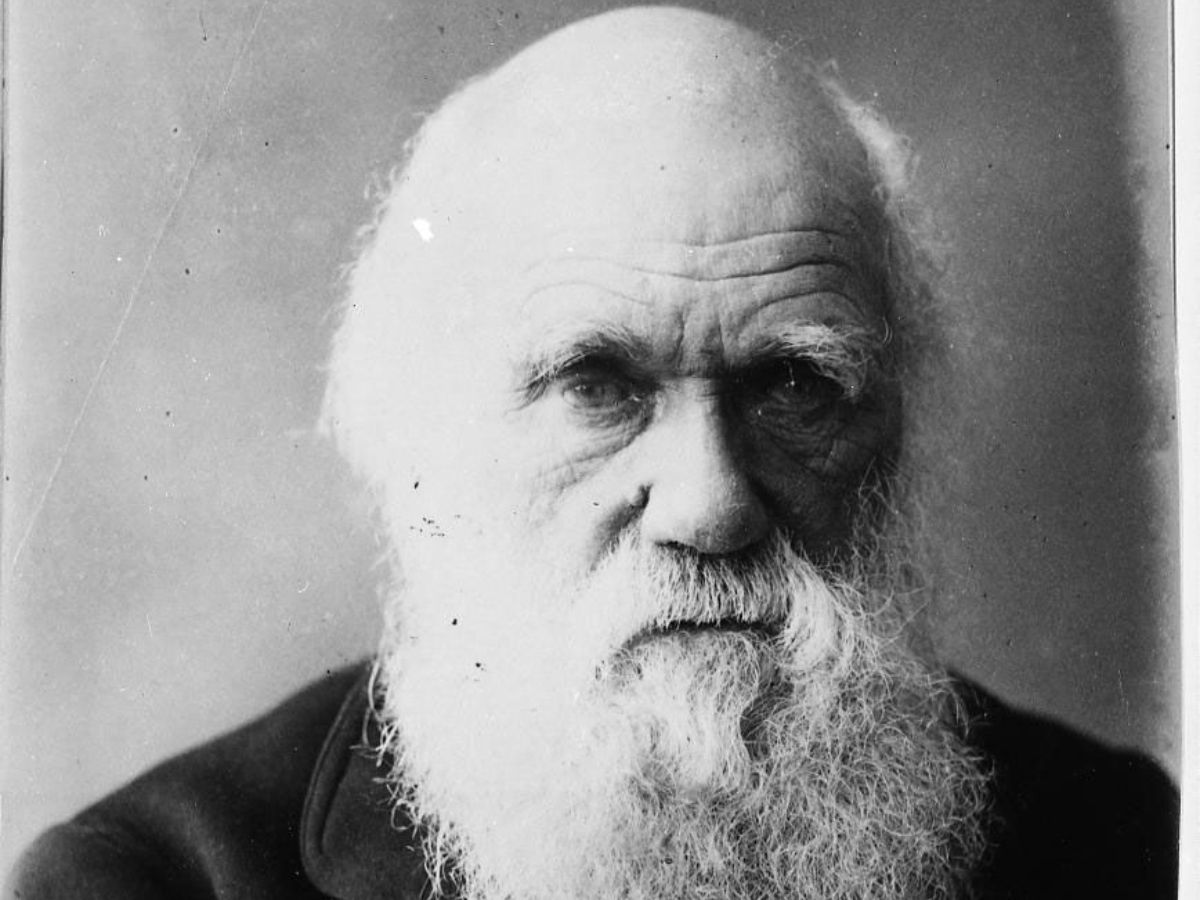
Charles Darwin
Though not a political leader, Charles Darwin's removal from the Class 10 science curriculum has been highly controversial. Darwin’s theory of evolution, which is central to modern biology, was cut from the syllabus as part of a post-pandemic content reduction. NCERT claimed the move aimed to lighten academic pressure on students. However, scientists and educators have criticized the decision as regressive, arguing it undermines scientific understanding and weakens students’ grasp of critical concepts in evolutionary biology.
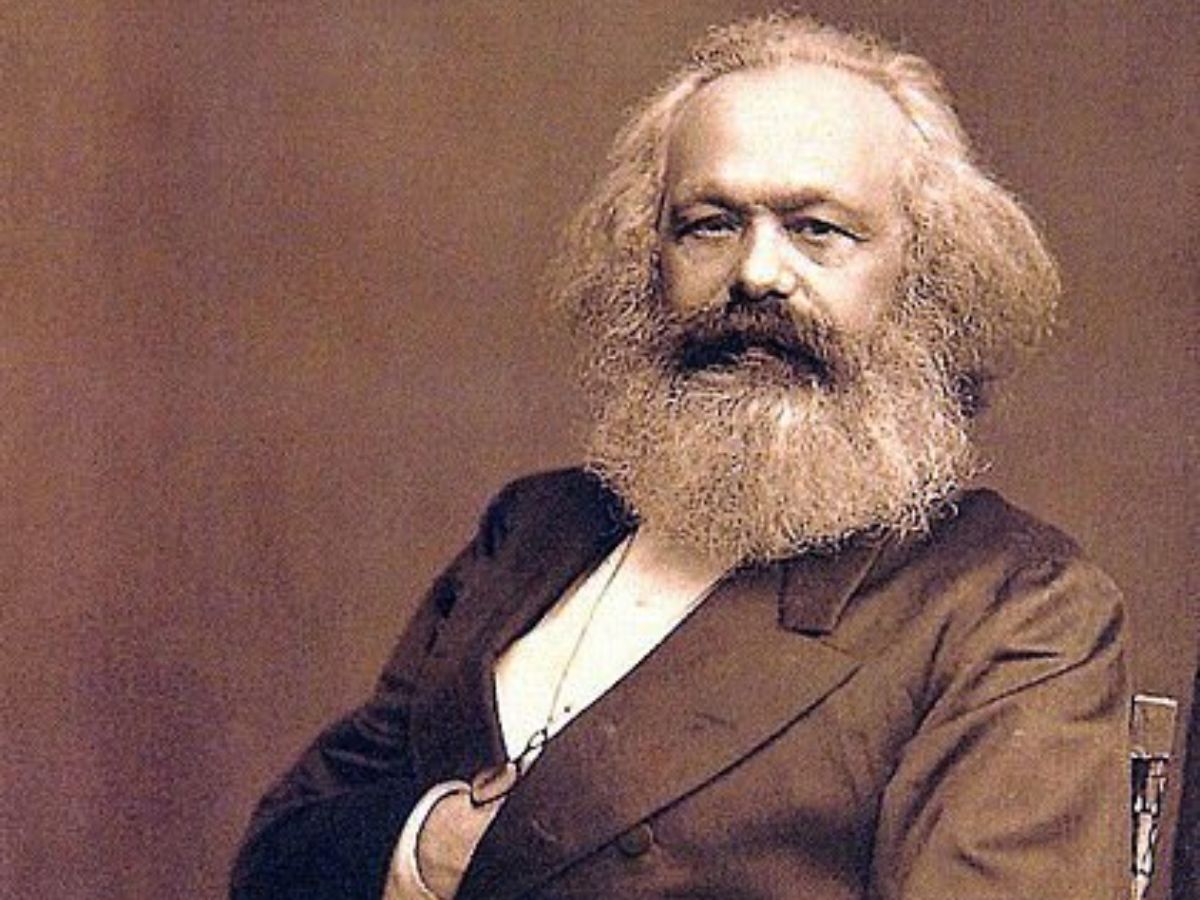
Karl Marx
Karl Marx, the influential thinker behind communist and socialist ideologies, has been removed from parts of the Political Science and Sociology curriculum in senior classes. Once discussed for his influence on global politics and class theory, Marx’s absence reflects a broader ideological shift. Critics view it as a deliberate attempt to reduce the visibility of leftist thought in education, while proponents argue that the curriculum must evolve to reflect present-day political and economic frameworks.
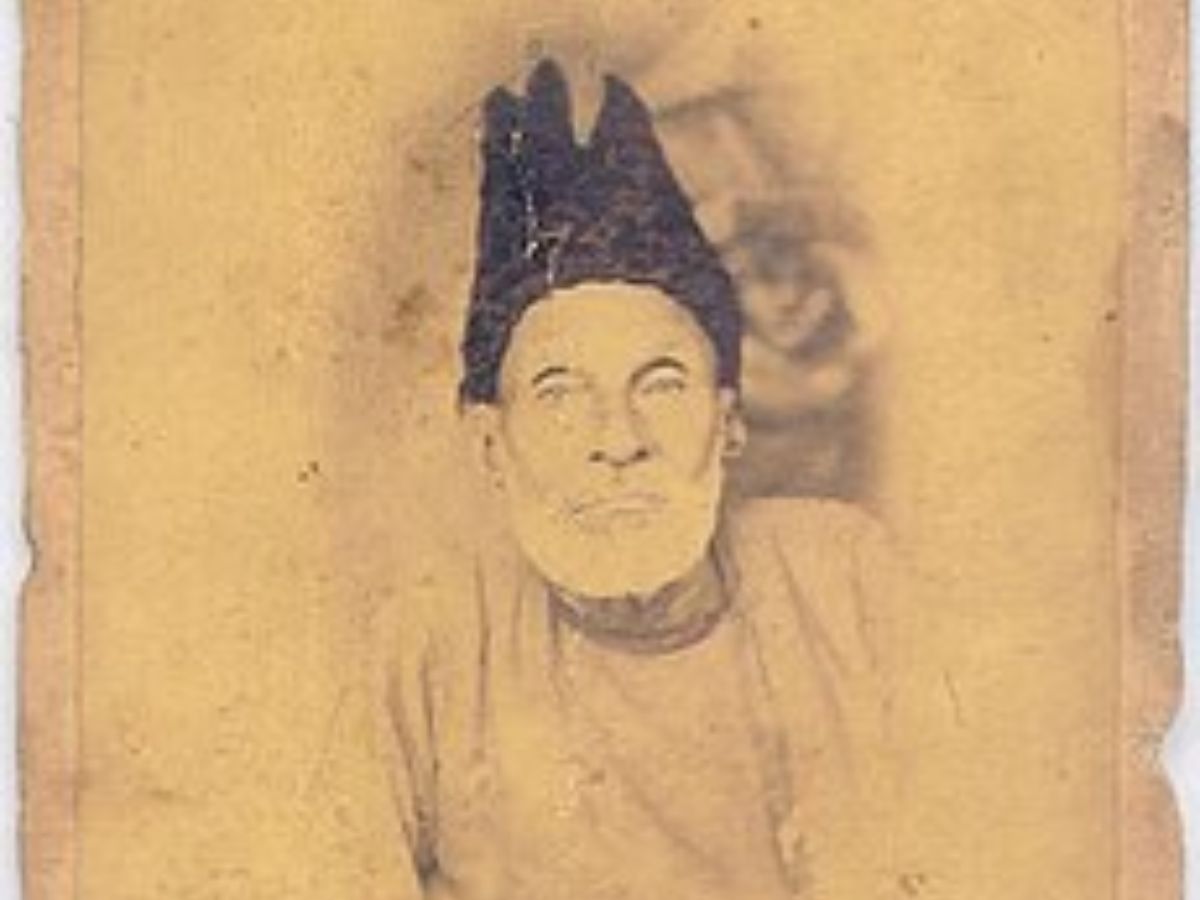
Mirza Ghalib
Mirza Ghalib, one of India’s greatest Urdu poets and a cultural icon of the late Mughal era, has reportedly been dropped or minimized in some Urdu literature and history textbooks. Ghalib’s poetry represents a fusion of Persian and Indian literary traditions and offers deep insights into the cultural and emotional landscape of colonial India. His removal is seen as symbolic of a wider effort to de-emphasize India’s Indo-Islamic heritage, especially the cultural contributions of the Mughal period.
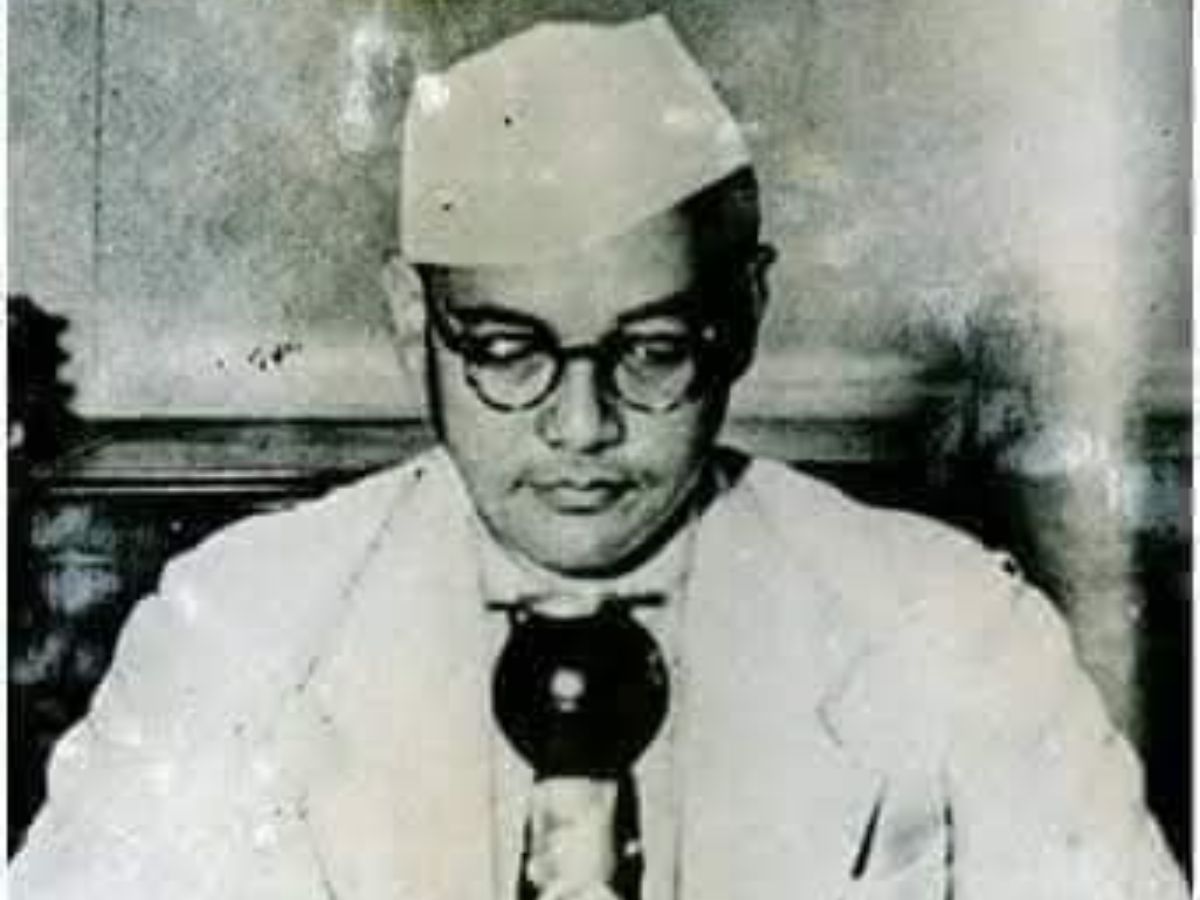
Subhas Chandra Bose
Subhas Chandra Bose, the leader of the Indian National Army (INA) and a fierce opponent of British colonialism, has not been completely removed but has seen his contributions reworded or reduced in newer textbooks. Bose’s legacy, particularly his controversial alliances during World War II, presents a complex narrative that doesn’t always fit neatly into dominant political ideologies. While officials claim the revisions aim to simplify history, many believe they dilute the radical and military aspects of India’s independence struggle.




