
Dry Skin in Winter? Follow These 6 Beauty Tips for Soft, Glowing Skin
Winter can make your skin feel dry, tight and dull. But, the right routine can keep it soft and glowing all season. Cold winds and low humidity pull moisture from your skin, making hydration more important than ever. Here are a few simple tips that will help you beat dryness and achieve naturally beautiful, healthy-looking skin.

Switch to a Rich, Hydrating Moisturizer
Choose cream-based moisturizers that lock in moisture longer. Look for ingredients like ceramides, squalane, and hyaluronic acid.
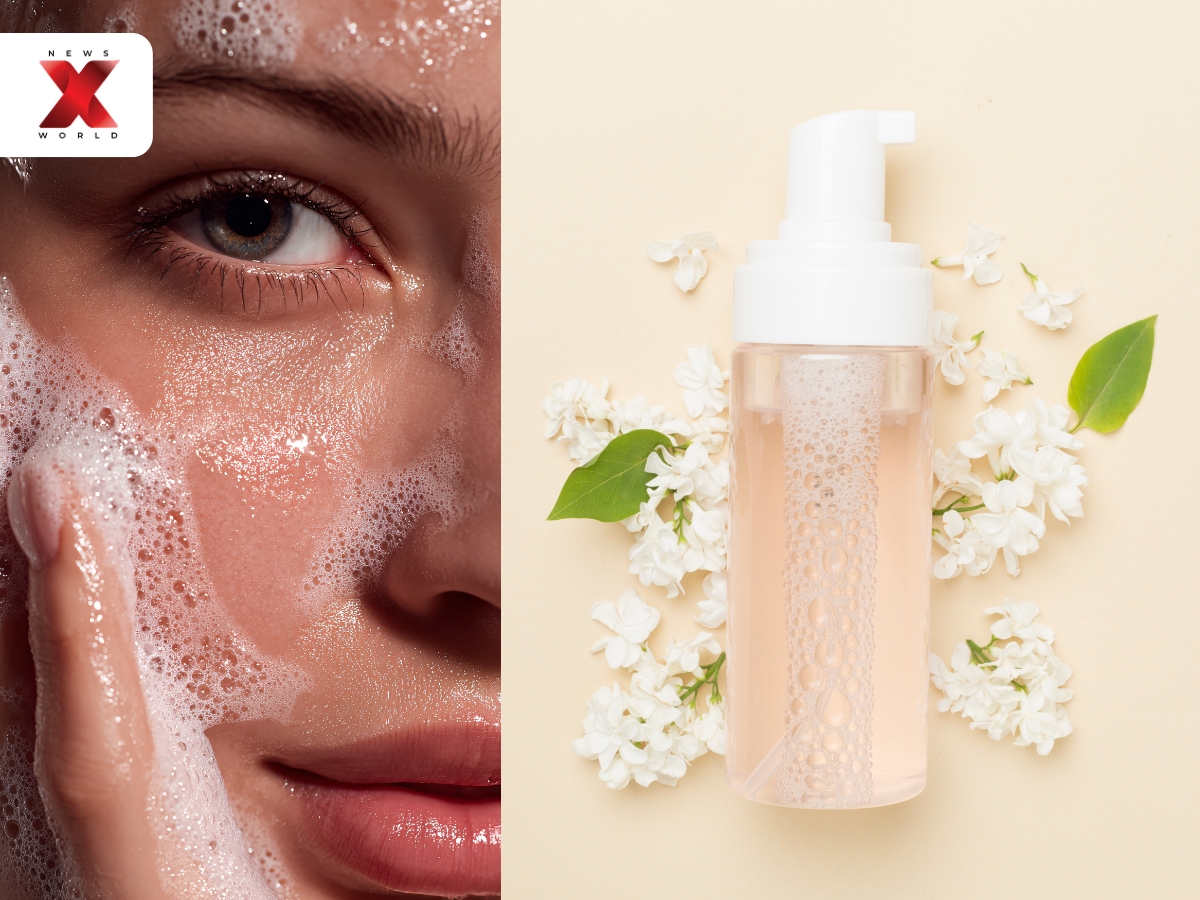
Use a Gentle, Non-Foaming Cleanser
Harsh cleansers strip natural oils, worsening winter dryness. Opt for hydrating cleansers that leave your skin soft and comfortable.

Add Face Oils for Extra Nourishment
Use oils like rosehip, jojoba, or argan for a glow boost. Mix 1–2 drops with moisturizer for deeper hydration.
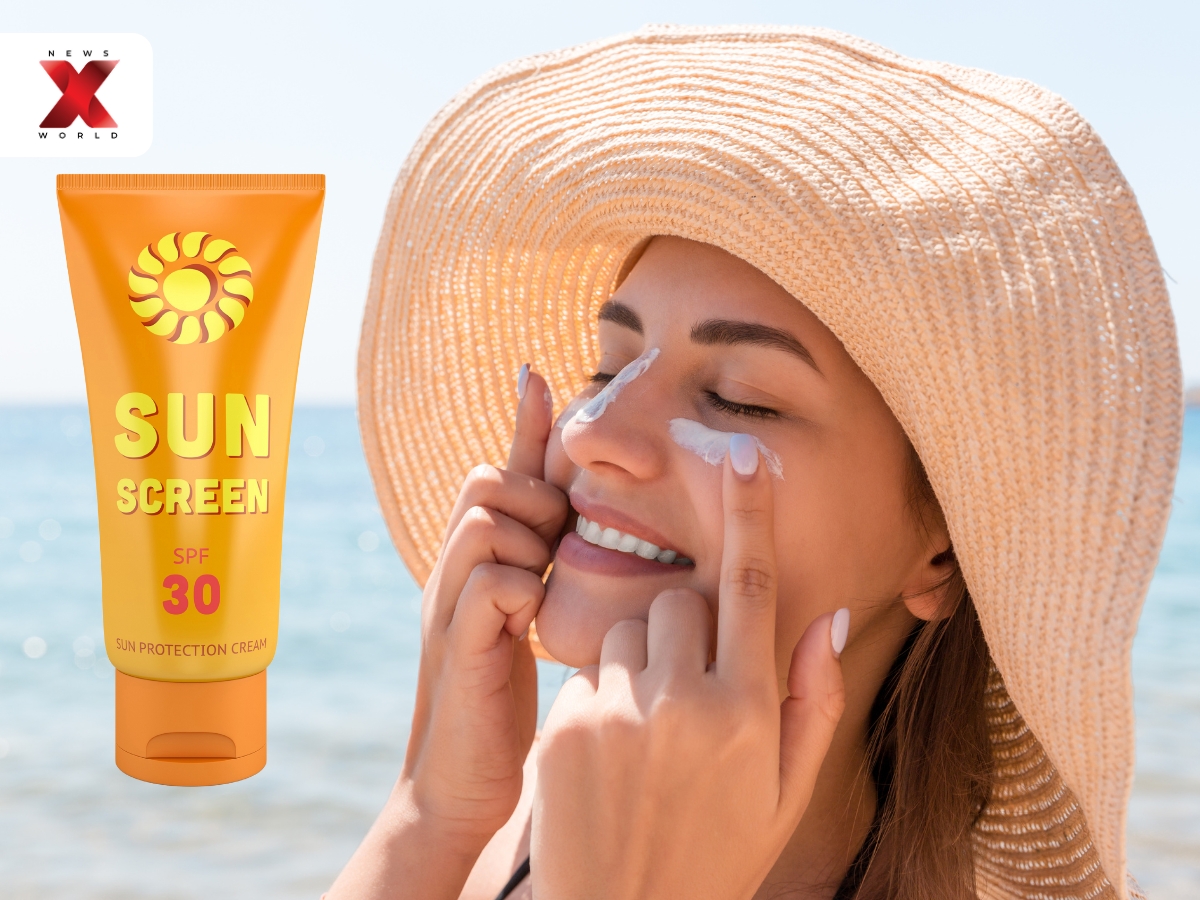
Don’t Skip Sunscreen (Even in Winter!)
UV rays stay strong even when the weather feels cold. Use SPF 30+ daily to prevent pigmentation and tanning.

Exfoliate Only Once a Week
Over-exfoliation can harm the skin barrier during winter. Choose gentle chemical exfoliants like lactic acid.

Keep Your Shower Routine Skin-Friendly
Hot water strips moisture, use lukewarm instead. Limit shower time to prevent excessive dryness.

Disclaimer
All the images are taken from Canva only. The information provided in this article is for general beauty and skincare guidance based on widely accepted practices. Individual skin types and conditions vary, so results may differ from person to person. Always patch-test new products and consult a dermatologist if you have sensitive skin, allergies, or underlying skin concerns. This content is not a substitute for professional medical or dermatological advice.




