
Millennials VS Gen Z: How Emojis Can Uplift Your Mood
Millennials and Gen Z use emojis differently, boosting mood, expression, and connection through classic or ironic, playful digital symbols.
Style Preference
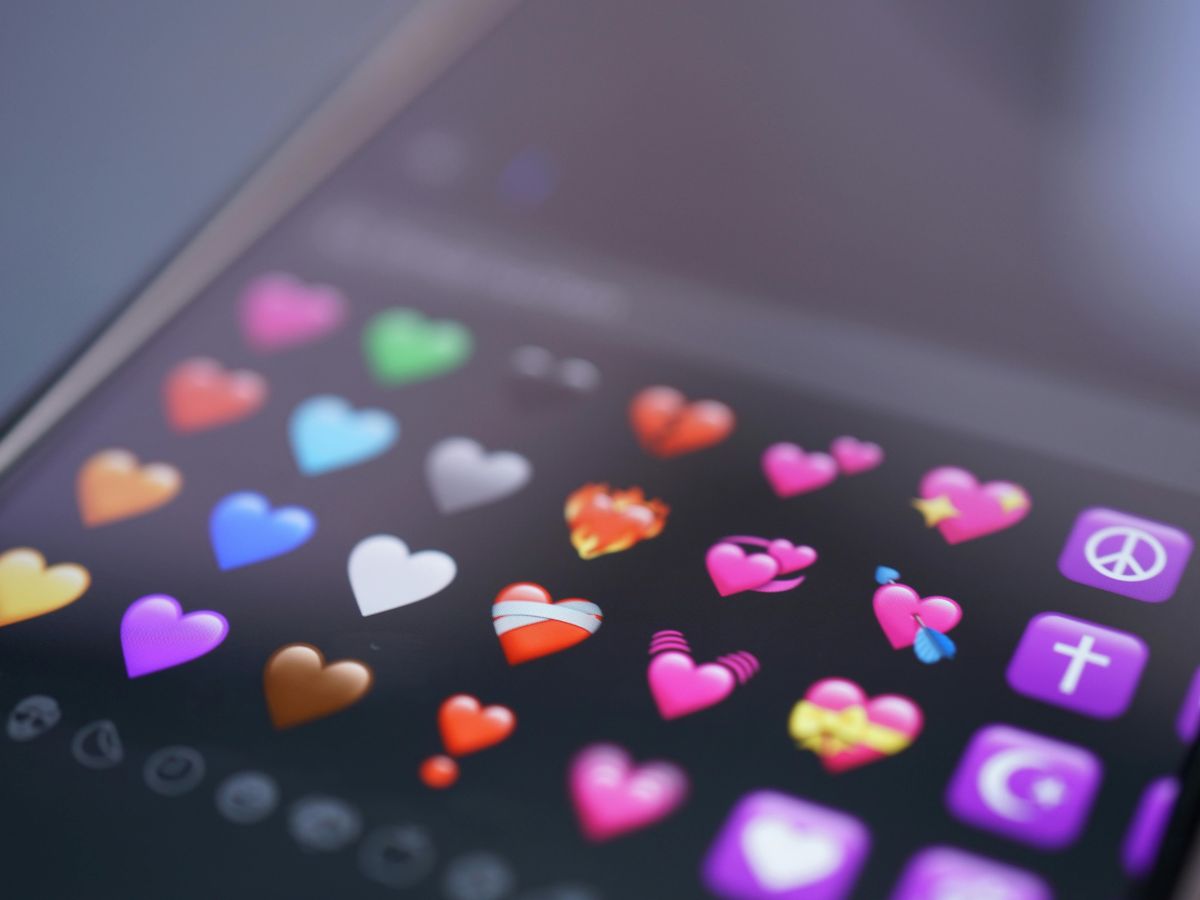
Millennials prefer one-to-the-point, pretty traditional emojis. It seeks to convey a straightforward emotion. Gen Z, on the other hand, prefers something that is either original or ironic. They are almost always meant to be used in conjunction with a deeper or humorous subtext.
Purpose of Use
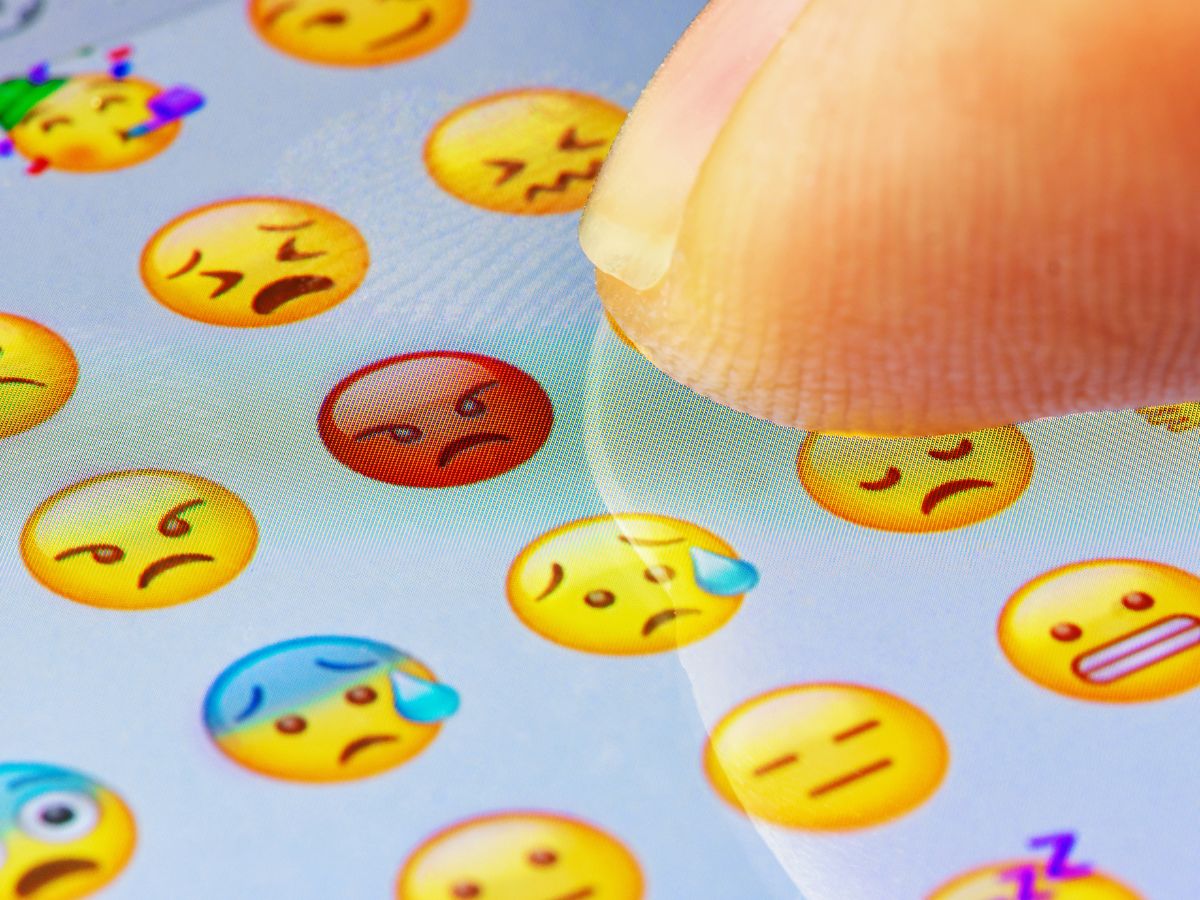
Gen Z uses emojis to convey humor, sarcasm, or reflect cultural trends or online memes. Millennials use them to soften tones, clarify emotions, and be polite.
Tone and Interpretation
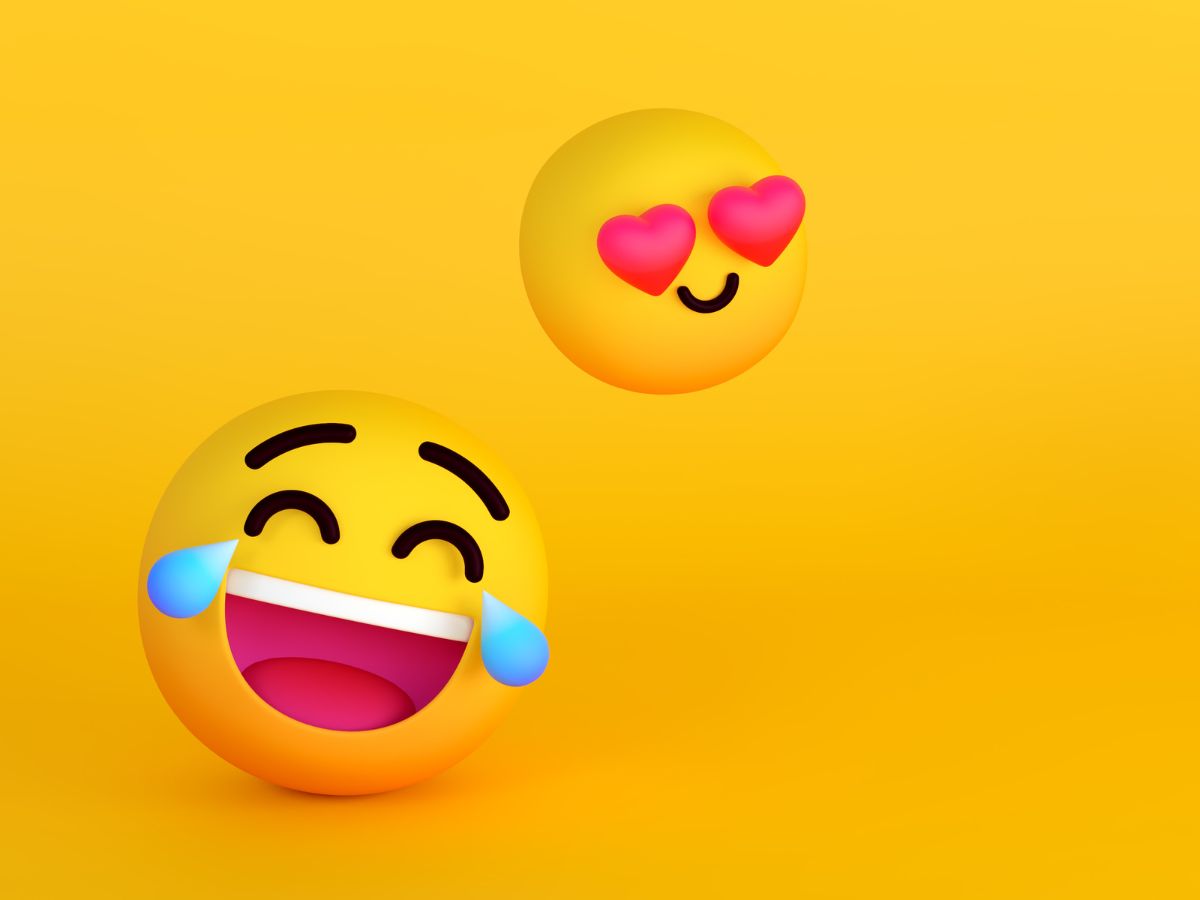
Millennials interpret emojis quite literally; therefore, they expect clear and indisputable meaning. Gen Z, on the other hand, tends to repurpose it to derive an ironic or even opposite meaning, and quite creatively in doing so, to express unexpected or exaggerated emotional reactions.

Style of Communication
Millennials comprise well-organized, polite emoji usage. Gen Z revels in hectic and playful combinations, using emojis as slang to foster group identity and enrich digital storytelling.
Emotional Impact
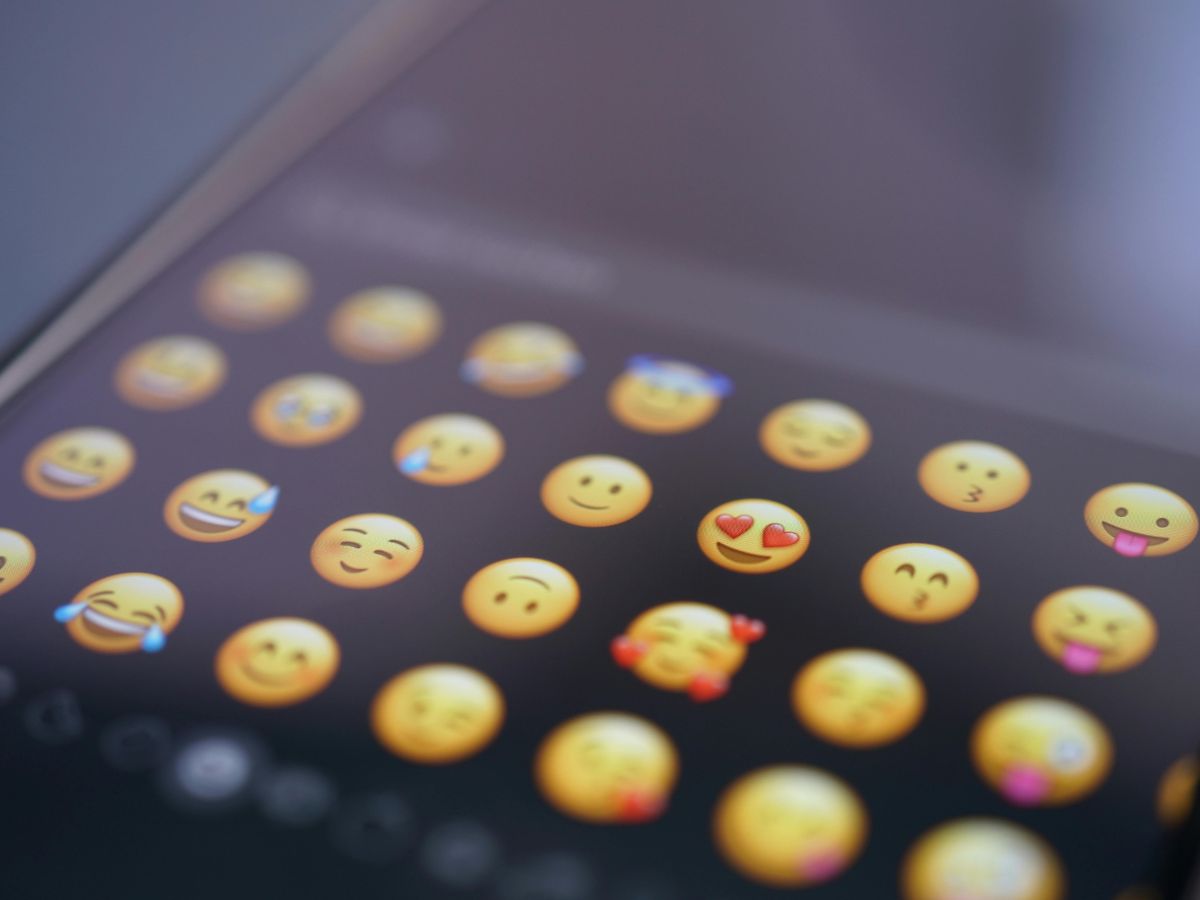
Emojis serve as clear emotional messages or comfort for Millennials. Gen Zs would rather create with them or make connections through them that bring humor or drama into mundane messages.




