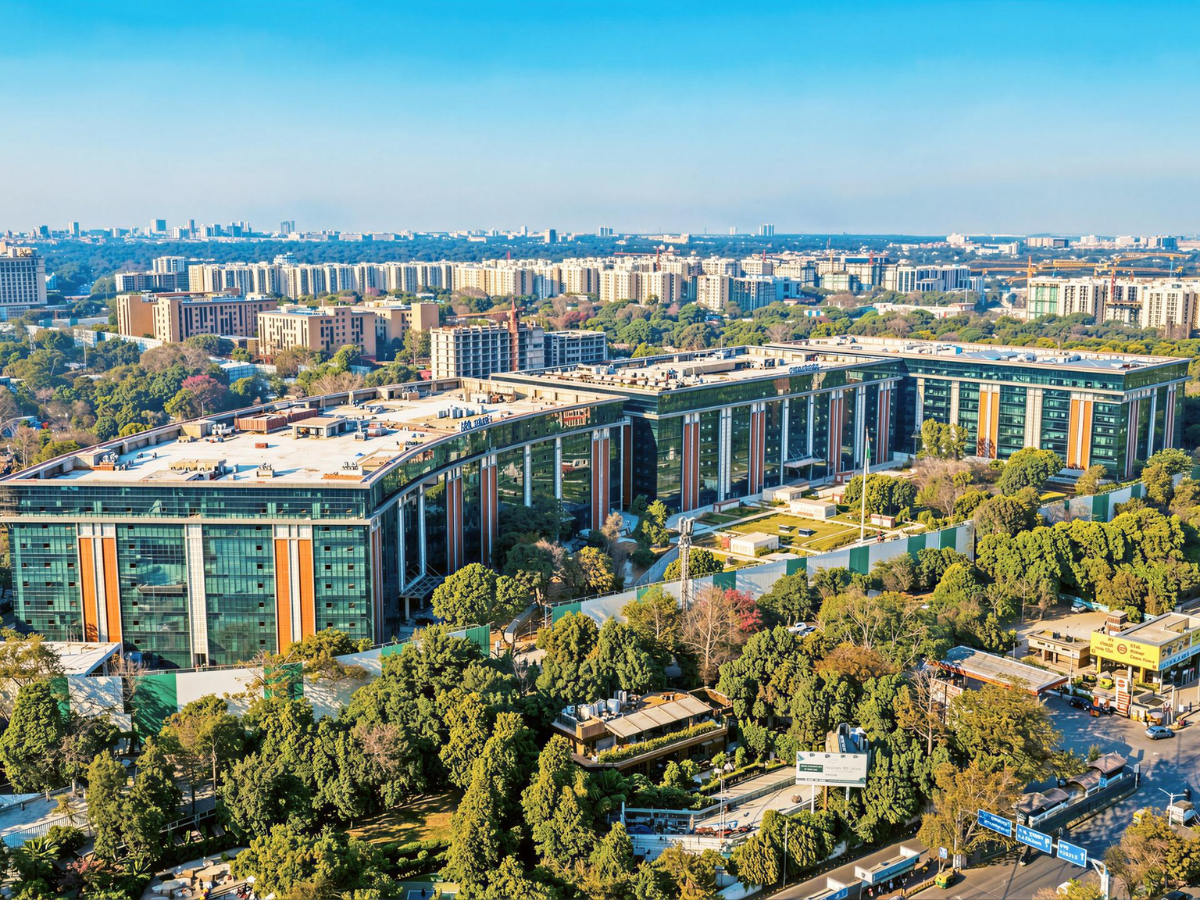

The Government of India is redeveloping 7 ageing government housing colonies in Delhi through an innovative self-financing model that requires no funding from the public exchequer.
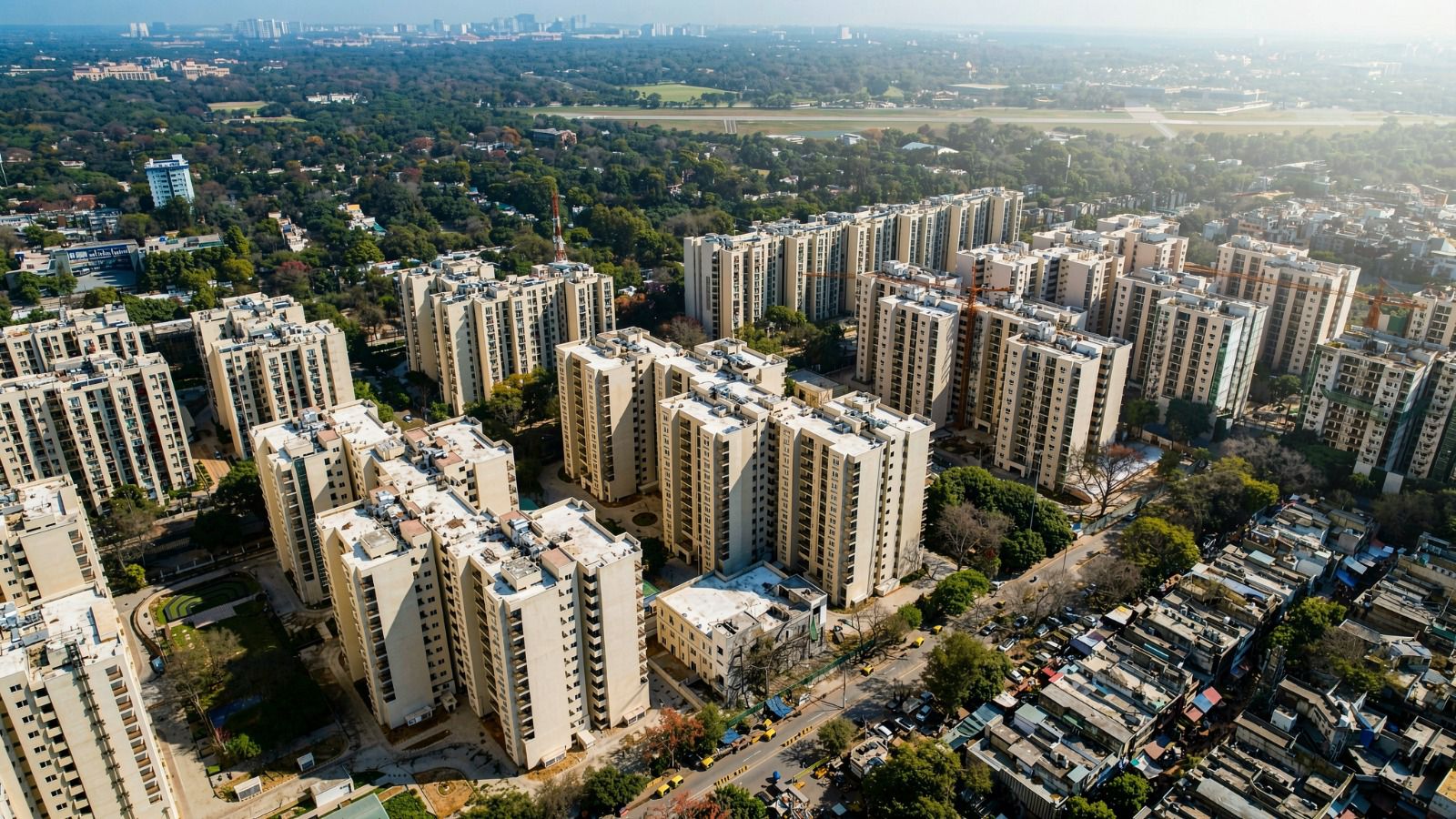
The project covers Sarojini Nagar, Netaji Nagar, Nauroji Nagar, Kasturba Nagar, Thyagraj Nagar, Sriniwaspuri and Mohammadpur, spread across about 537 acres.
Many of the existing residential quarters in these colonies had become old and structurally unsafe, with nearly 40% declared uninhabitable. At the same time, the government faced a shortage of more than 20,000 homes for Central Government employees.
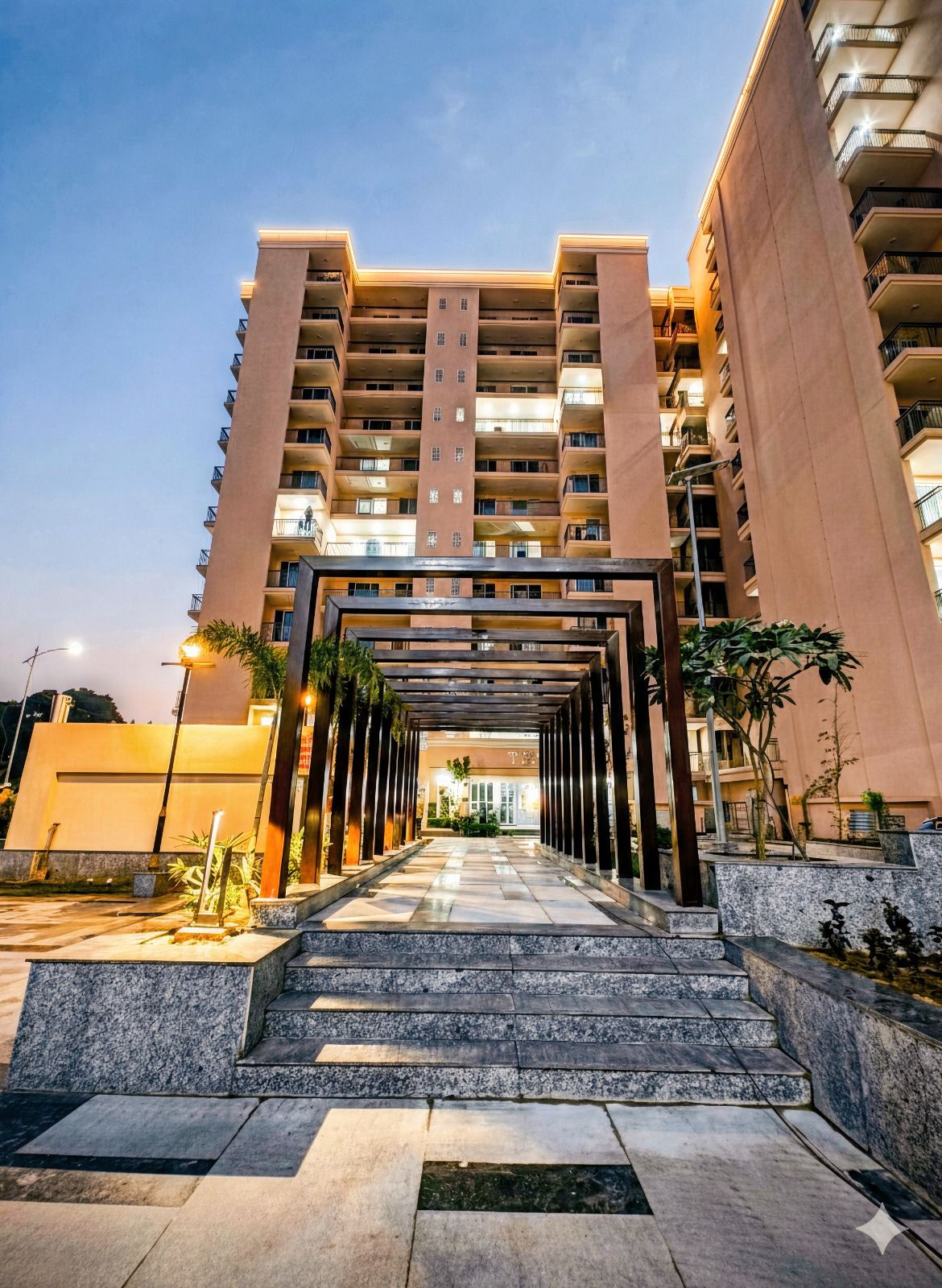
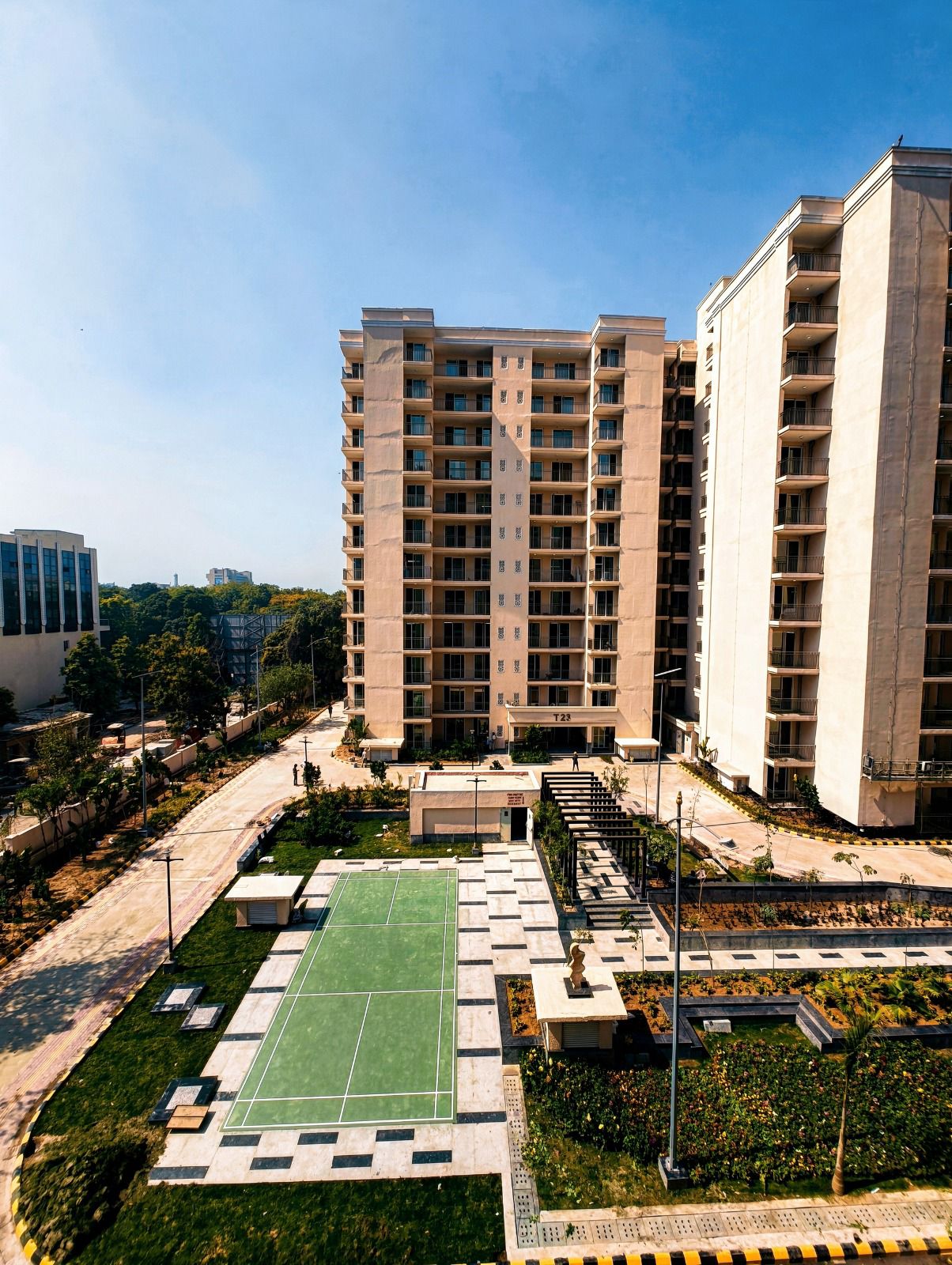
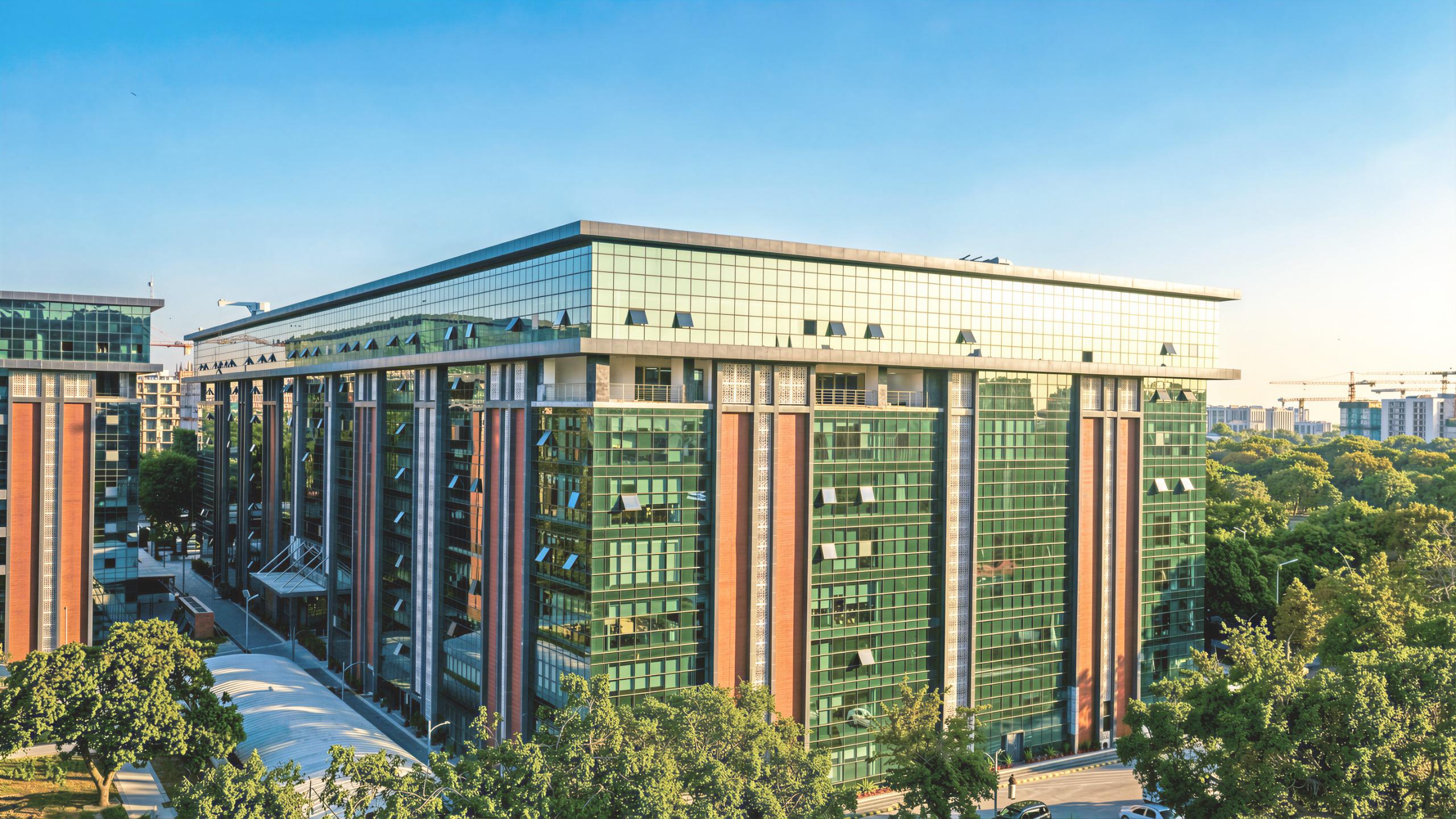
The redevelopment will replace the old low-rise buildings with modern high-rise residential complexes, providing over 21,000 new flats along with upgraded infrastructure and public facilities.
On 8th February, PM Modi will inaugurate 2,722 of these newly built flats and lay the foundation stone for 6,632 flats under the General Pool Residential Accommodation (GPRA) Redevelopment Plan across Sarojini Nagar, Netaji Nagar, Kasturba Nagar and Sriniwaspuri.
What makes the project unique is its self-sustaining financial model.
Instead of using taxpayer funds, the government has planned to develop and monetise a small portion of land which is about 69.41 acres, or 12.9% of the total project area, for commercial and residential use.
The revenue from this limited land monetisation is expected to generate over ₹35,100 crore, which will cover the estimated redevelopment cost of around ₹32,800 crore.
This means the entire project will be completed without burdening the government budget, while also having the potential to generate a surplus of more than ₹2,300 crore for the government.