
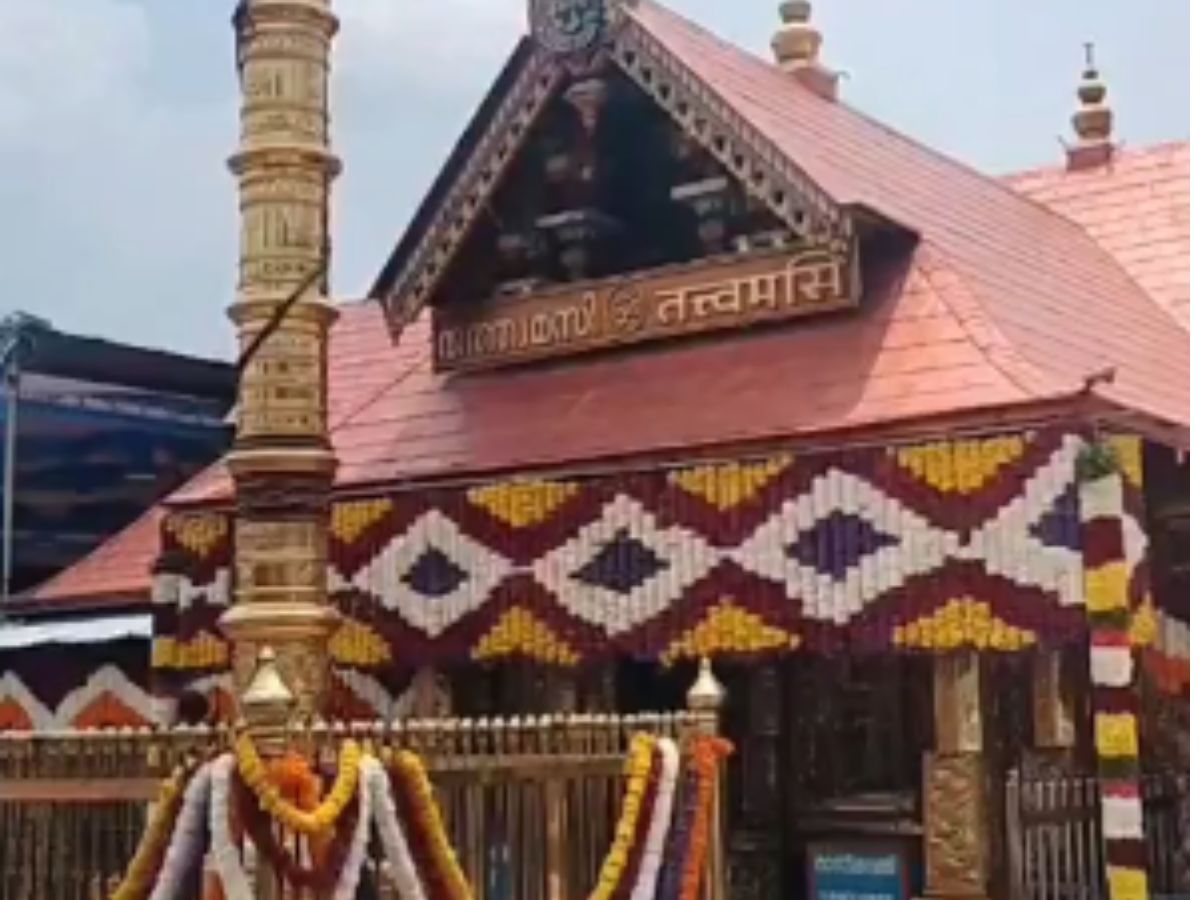

Each year, the Sabarimala Sree Dharma Sastha Temple in Kerala, dedicated to Lord Ayyappa, witnesses a massive influx of devotees from all over the world. It is not only a huge gathering but also an intense appearance shining through to the people. Every year, during the months of December and January, a large number of devotees visit the temple that is situated at the top of the Sabarimala hill in a dense forest. The main events of the temple season are held during the Mandala Pooja and the Makaravilakku festival. This spiritual journey is not like an easy-going excursion but rather a hard-core practice of self-examination and purification.
Key Pilgrimage Dates: Mandala and Makara Season
The Sabarimala temple opens every month for poojas but the peak season known as the Mandala-Makaravilakku period lasts for about two months. This is the time when most of the pilgrims take the journey.
Mandala Pooja Season: The pilgrimage generally starts in the Malayalam month of Vrischikam which usually is around the 16th of November and ends with the Mandala Pooja on the 27th of December (the particular dates differ slightly each year). This signifies the conclusion of the obligatory 41-day Vratham.
Makaravilakku Festival: After a short intermission, the temple reopens for the second phase of the celebrations. The greatest moment is the Makara Jyothi darshan on the day of Makara Sankranthi which generally falls on the 14th of January. Then the temple is closed a few days after, usually, around the 20th of January.
Essential Pilgrimage Rules: The Ayyappa Vratham
The Vratham or the 41-day penance is what is at the heart of the Sabarimala pilgrimage and every pilgrim has to undergo it before the trek. The rigorous Ayyappa Vratham acts as a preparatory measure for both the body and the mind for spiritual accomplishment.
Discipline and Mala Dharan: The vow starts with the execution of ‘Mala Dharan’ (wearing of the beaded necklace) and observing celibacy along with avoiding smoking and alcohol, abstaining from cutting hair and nails, and sleeping on the floor.
Dress Code and Conduct: Pilgrims must be attired in simple, plain clothes, mainly black, saffron, or blue, which signifies a detachment from worldly desires. All male devotees should be referred to as Swami by the pilgrims. Tradition dictates that only those who perform the Vratham and bear the sacred offering bag, the ‘Irumudi Kettu’ (two-part bundle), are allowed to go up the holy 18 steps to the inner sanctum.
A recent media graduate, Bhumi Vashisht is currently making a significant contribution as a committed content writer. She brings new ideas to the media sector and is an expert at creating strategic content and captivating tales, having working in the field from past four months.




