
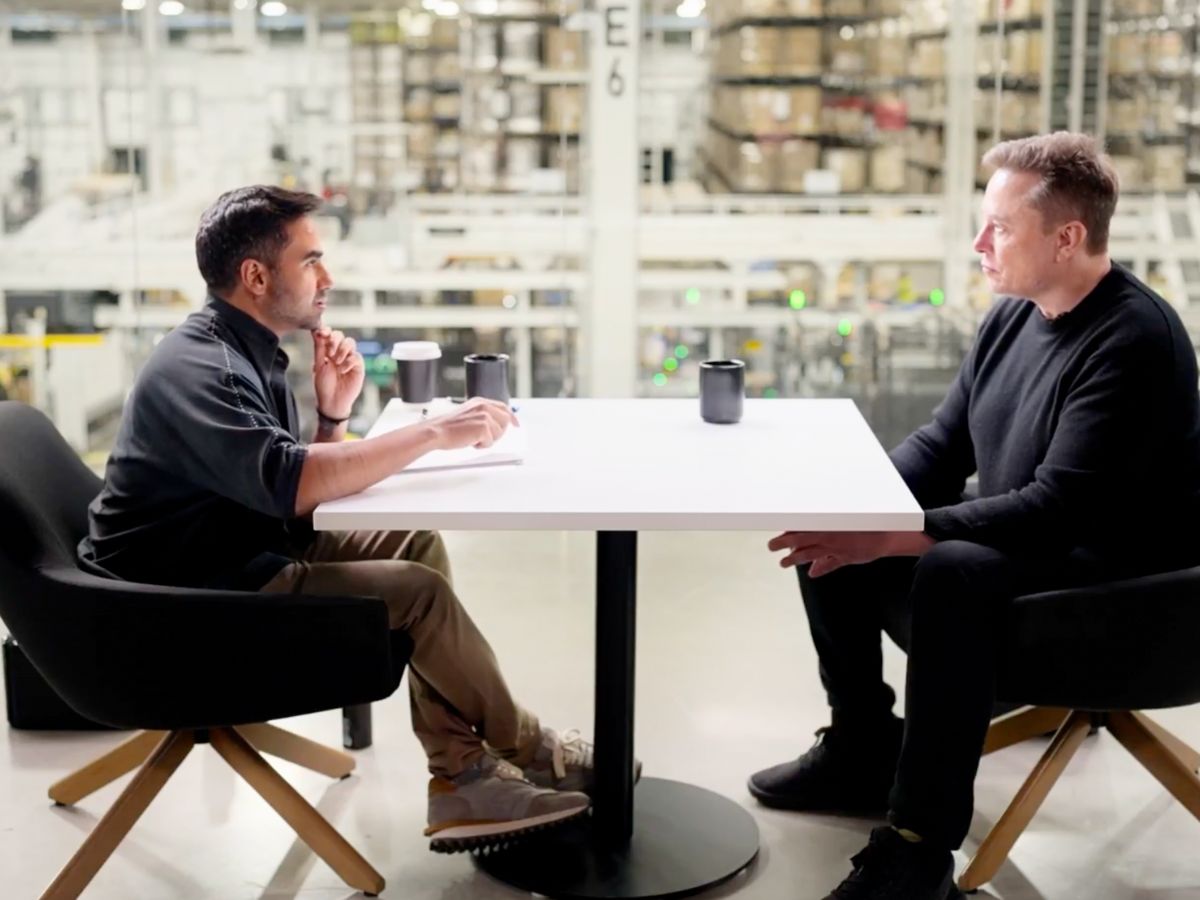

In a fascinating conversation on the People by WTF podcast, Zerodha co-founder Nikhil Kamath interviewed SpaceX and Tesla CEO Elon Musk, who predicted a future where work may become entirely optional. Speaking on Sunday, Musk said rapid advances in artificial intelligence and robotics could allow humans to choose whether or not to work within the next 10 to 20 years.
“My prediction is that work will be optional,” Musk told Kamath. “It may not be that far in the future, maybe less than 20 years when working at all will be optional, like a hobby.”
Work as a Choice, Not a Necessity
Musk compared the future of work to gardening or playing sports activities people do for enjoyment rather than survival. “You can go to the store and just buy vegetables, or you can grow them in your backyard because you like doing it,” he said. He also hinted at a broader transformation, suggesting that in a fully automated economy, money itself could lose relevance.
Out now @elonmusk pic.twitter.com/dQVLniUgWA
— Nikhil Kamath (@nikhilkamathcio) November 30, 2025
Contrasting Views on Work Culture in India
The interview comes amid India’s ongoing debate over work culture. Prominent business leaders like Infosys co-founder Narayana Murthy and L&T CEO SN Subrahmanyan have advocated long work weeks, citing China’s 9-9-6 model as a benchmark. In contrast, Musk’s vision emphasizes individual choice, remote work, and reduced reliance on physical offices.
City Life vs Rural Life: Personal Preference to Dominate
Kamath also raised questions about lifestyle choices, asking whether people would prefer living in cities or rural areas if work became optional. Musk emphasized that personal preference would remain central, saying, “It’s gonna be a matter of choice. But I think in the future, it won’t be the case that you have to be in a city for a job.”
Challenges for India’s Adoption of Optional Work Culture
While the idea of optional work is appealing, experts note that India faces cultural and structural hurdles before such a shift can happen. Many workers still struggle with timely wages, rigid work hours, and limited access to automation-driven opportunities. Nevertheless, hybrid and remote models are slowly gaining traction, hinting at the potential for a more flexible work culture in the future.
Sofia Babu Chacko is a journalist with over five years of experience covering Indian politics, crime, human rights, gender issues, and stories about marginalized communities. She believes that every voice matters, and journalism has a vital role to play in amplifying those voices. Sofia is committed to creating impact and shedding light on stories that truly matter. Beyond her work in the newsroom, she is also a music enthusiast who enjoys singing.




