
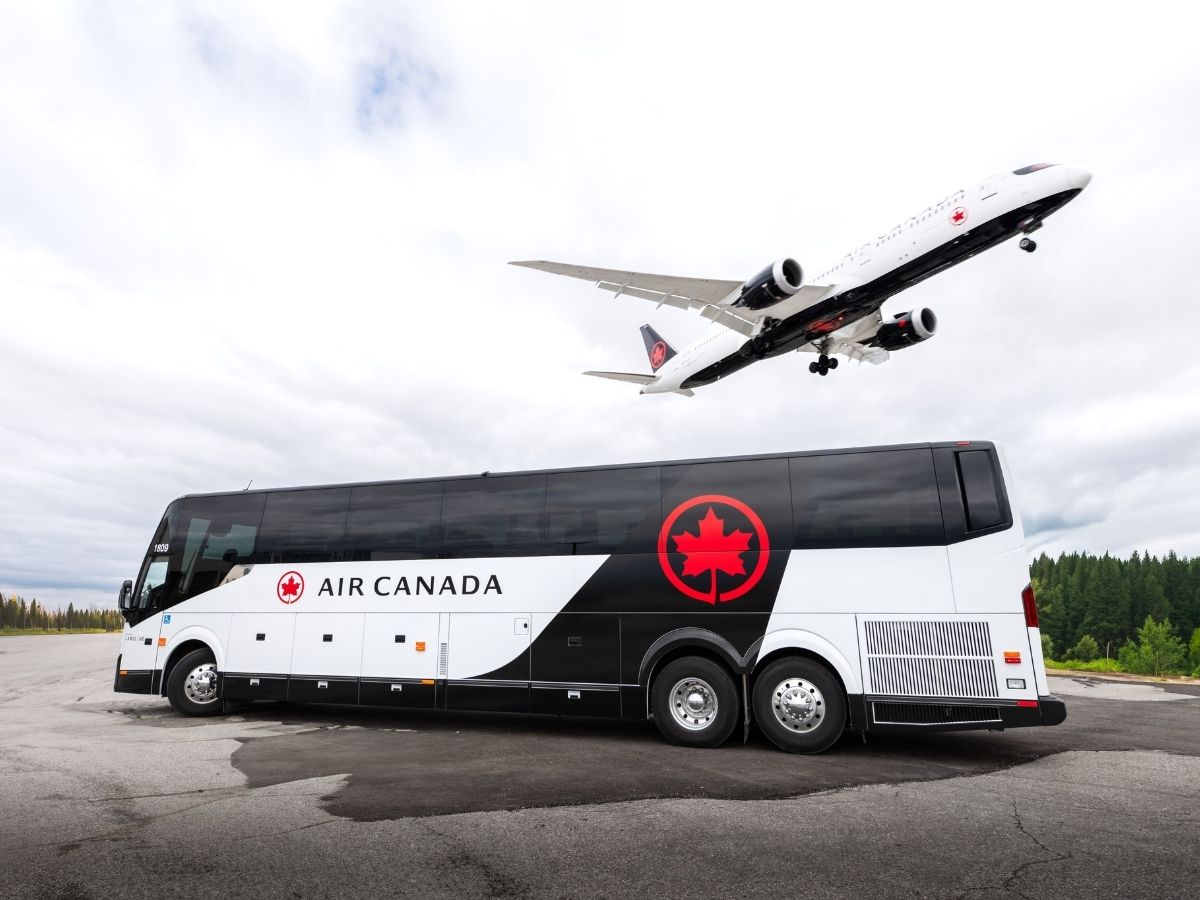

A major strike by Air Canada flight attendants has grounded thousands of flights, highlighting long-standing issues in the airline industry over unpaid labor. The strike, which lasted four days, affected over 500,000 passengers and focused on fair compensation for work done on the ground, such as boarding, deplaning, and other tasks not counted in flight hours.
The union representing more than 10,000 Air Canada flight attendants announced on Tuesday that they had reached a tentative deal to end unpaid work, although specific details were not shared. Analysts say this agreement could influence contract negotiations at other airlines across North America. However, any improvements in pay could also increase costs in an industry where labor is the largest expense after fuel.
Unpaid Work: Major Reason for Strikes
The strike at Air Canada mirrors tensions in U.S. airlines, where flight attendants face restrictions on striking. Last year, crews at American, Southwest, and Alaska Airlines rejected contract offers that failed to address unpaid work. Similarly, United Airlines’ flight attendants recently voted down a $6-billion labor agreement because it did not provide pay for time spent on the ground. United’s union is now surveying members ahead of new negotiations in December.
Currently, cabin crews are paid mainly for time in the air, while critical tasks on the ground go largely unpaid. Unions argue this practice amounts to significant unpaid labor. In past negotiations, airlines often gained concessions from workers during economic downturns or crises such as the pandemic. But rising inflation, stagnant wages, and heavier workloads have fueled frustration among flight attendants, strengthening demands for fairer pay.
Compensation Models in Focus
“The Air Canada strike helps negotiations everywhere. It highlights the unfair expectation that flight attendants work without pay,” said Sara Nelson, international president of the Association of Flight Attendants-CWA, which represents 55,000 flight attendants at 20 airlines, including United. Nelson spoke with Wesley Lesosky, head of Air Canada’s flight attendants union, to coordinate positions, according to union representatives.
Shanyn Elliott, an Air Canada Rouge flight attendant and head of the strike committee, said she took extra long-haul flights to make up for a low hourly wage of C$23 ($16.60) when she started in 2017. Post-pandemic delays have added even more unpaid hours, she said.
Air Canada CEO Michael Rousseau acknowledged the need to review compensation models, saying his airline has accepted the concept of ground pay. He added that other carriers would likely re-evaluate their own pay systems as a result.
Also Read: End of Air Canada Strikes? Flight Attendants Finalize Tentative Deal After Huge Disruptions




