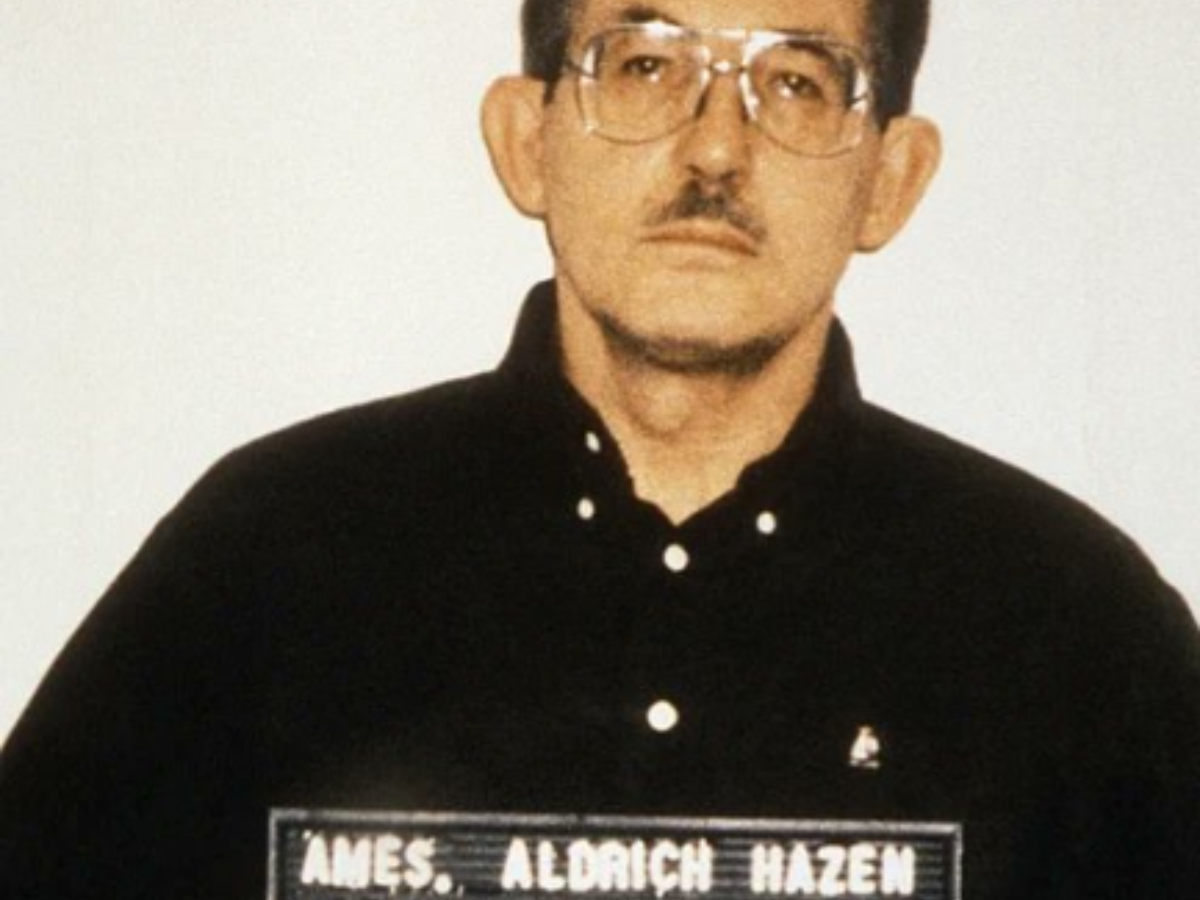

Aldrich Hazen Ames, the former CIA counterintelligence officer whose espionage for the Soviet Union and later Russia is widely considered one of the most damaging breaches in US intelligence history, has died in prison at age 84. His death was confirmed by the Bureau of Prisons at the Federal Correctional Institution in Cumberland, Maryland, where he was serving a life sentence without the possibility of parole.
Ames’ betrayal began in 1985 while he was stationed in the CIA’s Soviet/Eastern European division at Langley, Virginia. He voluntarily offered his services to the KGB, which started a decade of espionage that compromised vital US intelligence. Over those years, Ames admitted receiving about $2.5 million from Moscow in exchange for classified materials.
Among the information Ames disclosed were the identities of 10 Russian officials and one Eastern European who were working as spies for the United States or Great Britain. This intelligence was passed to the Soviets and is blamed for the executions of Western agents operating behind the Iron Curtain and devastating setbacks to CIA operations during the Cold War.
Ames pleaded guilty in court
Ames ultimately pleaded guilty without a trial to charges of espionage and tax evasion in 1994 and received a life sentence. Prosecutors later said he had “deprived the United States of valuable intelligence material for years.”
According to reports, in court, Ames expressed a conflicted view of his actions. He professed “profound shame and guilt” for “this betrayal of trust, done for the basest motives,” citing financial pressures that drove him to spy. However, he sought to downplay the broader impact of his betrayal, telling the court he did not believe he had “noticeably damaged the United States or noticeably aided Moscow.”
Reflecting on the nature of intelligence work, Ames remarked that “These spy wars are a sideshow which have had no real impact on our significant security interests over the years,” challenging common perceptions of Cold War espionage’s importance.
In a jailhouse interview with The Washington Post the day before his sentencing, Ames said that, he was driven by “financial troubles, immediate and continuing.”
His espionage continued even after the collapse of the Soviet Union in 1991, as he also passed information to Russia’s intelligence services. His betrayal remained a defining scandal in US intelligence history, with Ames’s wife, Rosario Ames, also pleading guilty to assisting his activities and receiving a prison sentence of her own.
Khalid Qasid is a media enthusiast with a strong interest in documentary filmmaking. He holds a Master’s degree in Convergent Journalism from AJK MCRC. He has also written extensively on esports at Sportsdunia. Currently, he covers world and general news at NewsX Digital.