
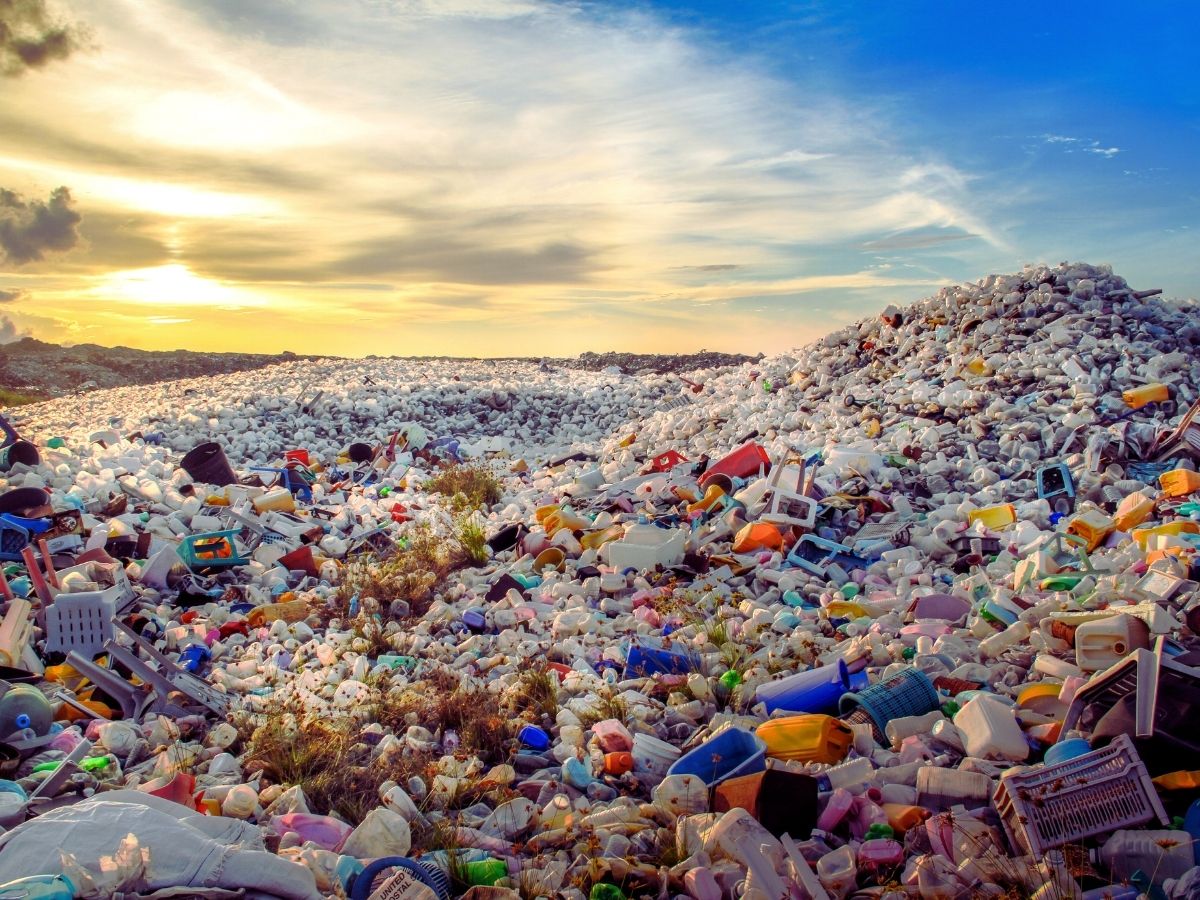

1. Standoff Over Production Limits
As final negotiations wrapped up in Geneva on Thursday, countries remain deeply divided. According to a report published by The Associated Press, the new draft treaty makes no mention of curbs on plastic production or toxic chemicals, and instead focusses on less contentious goals such as reducing hard-to-recycle products, improving waste management, and reusing materials among others.
Supporters of stronger measures, including over 100 countries from the High Ambition Coalition, led by Norway and Rwanda, have meanwhile warned that without limits on production, the crisis will spiral, as reported by The Guardian.
2. Powerful Interests Push Back
Oil-rich countries and the plastics industry have opposed any production caps, reportedly favouring voluntary waste management strategies instead. The US has aligned with them, removing language targetting plastics’ full lifecycle from the draft, in an approach that environmentalists say mirrors past climate negotiation delays, per a Reuters report.
Meanwhile, an estimated total of over 234 petrochemical and plastics lobbyists are reported to be present in Geneva, thereby outnumbering delegations from entire continents and even scientific teams, The Guardian report said.
98% of plastics come from fossil fuels.
Many countries use bans, labels & standards to curb harmful plastics — but inconsistent rules raise costs, hitting small exporters hardest.
A global approach is key.
Full story ▶️ https://t.co/VvcNLTiw6q#INC5 #PlasticsTreaty pic.twitter.com/dULqSC823f
— UN Trade and Development (@UNCTAD) August 13, 2025
3. Impacts in the Air, and on Health
Reports suggest that even the air at the treaty site contains microplastics. Greenpeace claimed to have detected plastic particles like polyester and nylon in Geneva’s air, reinforcing calls for a robust treaty. Climate experts, for their part, have warned that these airborne microplastics, capable of penetrating human tissue, pose serious health risks beyond the visible debris, as reported by The Verge.
4. Risk of Weak or No Agreement
With talks appearing to be on the verge of a collapse, negotiators are scrambling to find middle ground, but agreement remains seemingly elusive. Countries that have primarily backed the treaty including Panama, Kenya, France and the UK decried the latest draft as lacking ambition and urged meaningful, binding commitments, according to Reuters.
Key Takeaways from the latest session:
- Fiji urged delegates not to delay or hold another session.
- Ethiopia was open to extending talks if core issues like production and funding remain unresolved.
- The European Union warned that a “weak” and “static agreement serves no one,” The Associated Press reported.
5. Learning from Past Talks
Experts recalled the December 2024 talks in Busan, which also ended without progress on production caps. Environmentalists, meanwhile, have sounded an alarm saying the same stalemate patterns now threaten what could have been the most impactful environmental agreement since the Paris Accord.




