
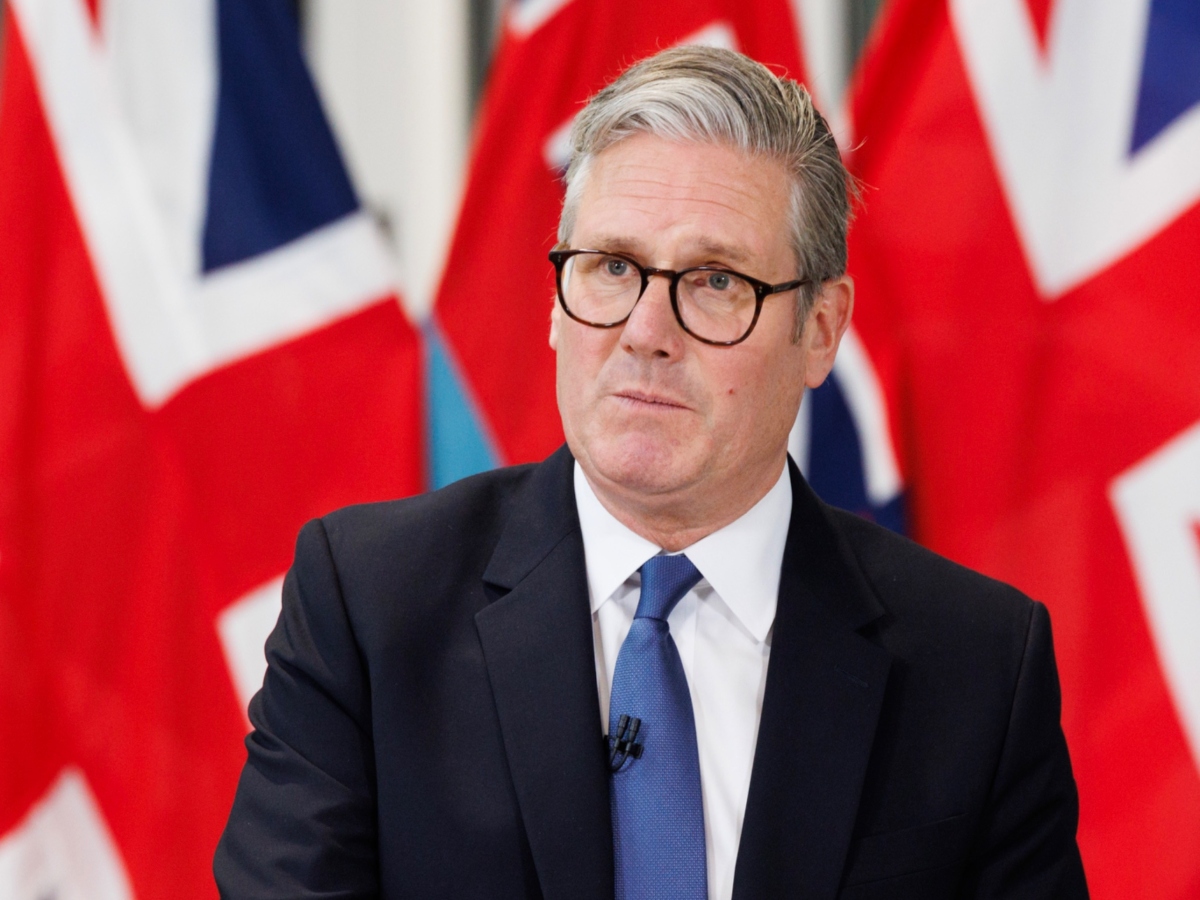

The prime minister, who built his public image through his commitment to integrity, has now executed a complete transformation of his public persona. Keir Starmer delivered an extensive apology to the survivors of Jeffrey Epstein, which he delivered on February 5, 2026.
Starmer revealed from Hastings that he made his biggest error when he chose Peter Mandelson for the position of UK ambassador to the United States.
The apology comes as leaked documents show Mandelson shared classified information during the Gordon Brown era, which directly opposes his earlier commitments about confidentiality.
Starmer’s admission, “I am sorry I believed Mandelson’s lies,” marks a low point in his premiership, as he struggles to control a parliamentary rebellion that threatens to duplicate the scandals of his former associates.
Epstein Links
The current political crisis centers on newly discovered Epstein connections, which have emerged with overwhelming evidence. The newly released documents, together with police investigations, show that Mandelson maintained a relationship with the disgraced financier through which they exchanged confidential information, which resulted in a government confrontation with parliamentary committees.
The scandal has forced Labour to reverse its position because Starmer wanted to maintain control over appointment files until the internal review was complete, but the “Commons mutiny” required him to transfer authority to a formal committee.
MPs have characterized the situation as an extreme vetting failure, which they linked to previous integrity scandals, while they demanded the dismissal of high-ranking staff members who helped the peer resume his role as British diplomatic representative.
Unity Plea
Starmer needs to make peace with all factions in his party because he lost control of the Labour Party. The Prime Minister used his “Pride in Place” speech to show that every hour spent on handling internal scandals gives Reform UK an opportunity to create divisions within the community.
He presented the existence of his government as a struggle to create a “tolerant, diverse Britain,” which included defending British identity against nativist claims about Rishi Sunak and Marcus Rashford.
The deputy leaders of the party admitted their decision-making mistakes, which led backbenchers to demand a new beginning, but Starmer’s request for party unity lost its effect because of his recent choice of party unification, which he now dislikes.
A recent media graduate, Bhumi Vashisht is currently making a significant contribution as a committed content writer. She brings new ideas to the media sector and is an expert at creating strategic content and captivating tales, having working in the field from past four months.




